Antimicrobial resistance (AMR) is not just a public health crisis—it is an economic time bomb. By 2050, more people are expected to die from drug-resistant infections than from cancer, according to projections from the Lancet. Yet the market for new antibiotics, the very tools needed to combat this threat, is fundamentally broken.
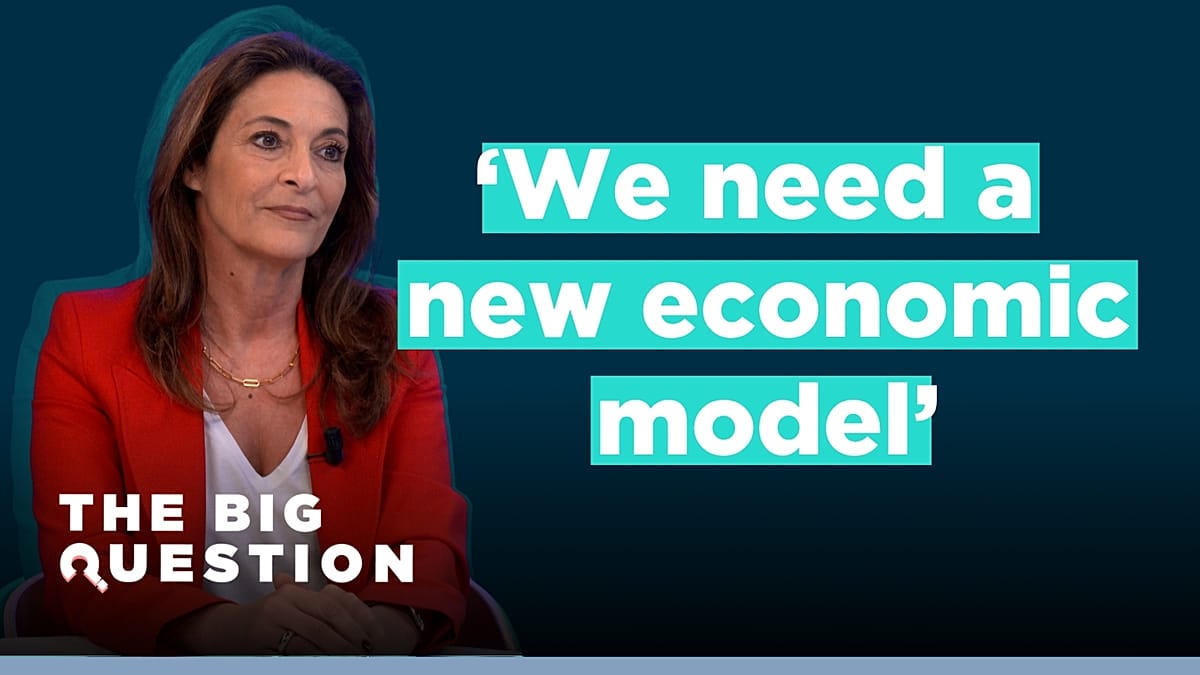
Estelle Fruchet, General Manager for France at Shionogi Europe—one of the few pharmaceutical companies still developing antibiotics—put it bluntly: “We need new antibiotics.” Speaking on The Big Question, she explained that the problem is not a lack of scientific know-how but a flawed economic model.
The Scale of the Threat
AMR occurs when bacteria mutate and become resistant to the drugs designed to kill them. Overuse of antibiotics accelerates this process. “When I started 25 years ago, there were a lot of prescriptions of antibiotics for a simple cough,” Fruchet recalled. “The more you use them, the more the bacteria can become resistant.”
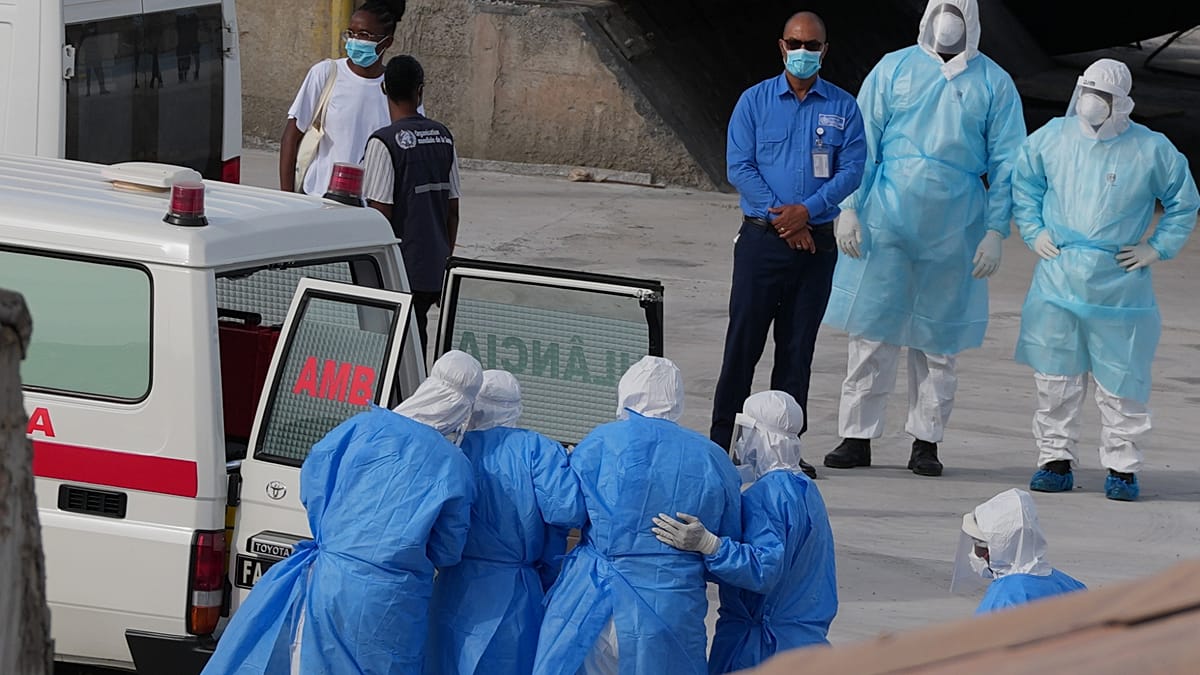
The consequences are already visible. According to the European Centre for Disease Prevention and Control (ECDC), AMR infections cause more than 35,000 deaths every year in the European Union. Globally, the toll is about 1.3 million annually—roughly the population of Prague, Dublin, or Helsinki.
If left unchecked, a 2024 Lancet study projects that between now and 2050, a total of 39 million people could die from AMR-induced infections worldwide. The economic cost is staggering: an estimated $412 billion (€352 billion) per year in additional healthcare costs and $443 billion (€379 billion) per year in lost workforce productivity. Some forecasts are even bleaker, suggesting $1 trillion in extra healthcare spending and a 3.8% loss of global GDP.
Why the Market Is Broken
Developing a new drug costs around €1 billion and takes 10 to 15 years, with a 95% failure rate. For antibiotics, the problem is compounded: they are priced low and must be used sparingly to preserve their effectiveness. This means the return on investment is poor compared to, say, a chronic-disease medication that patients take daily for years.
“This is what we call a broken market,” Fruchet said. “We need a new economic model. We need governments to think about and to propose new financing schemes to become more attractive for the industry.”
One promising approach is the subscription model, sometimes called the “Netflix model,” piloted by the United Kingdom. Under this system, the UK’s National Health Service pays pharmaceutical companies a fixed annual fee for access to vital antibiotics, regardless of how much is actually used. This decouples revenue from volume, incentivizing innovation without encouraging overuse. “It has been piloted in the UK, so this is something that’s working,” Fruchet noted. “I think it could be implemented in other countries like France.”
Europe’s Role and the Path Forward
Europe is already feeling the economic strain. Rising illness and longer hospital stays drive up medical costs for overburdened healthcare systems while reducing patient earnings and employer productivity. The continent is losing around €12 billion per year to AMR, a figure that will only grow without intervention.
Despite EU targets to cut antibiotic use by 20% by 2030, consumption actually increased in 2024. This highlights the need for a multi-pronged strategy: reducing unnecessary prescriptions in humans, curbing use in animals and agriculture, and creating both push and pull incentives for drug development. The EU’s recent decision to ban Brazilian meat imports over antimicrobial use—a move that Brazil is challenging—underscores the global dimension of the issue.
“International cooperation is also needed because bacteria is everywhere,” Fruchet concluded. The fight against AMR demands collaboration among doctors, policymakers, governments, and the pharmaceutical industry. Without it, the next economic crisis may not come from a bank failure or a trade war, but from a microscopic enemy that we have allowed to evolve unchecked.