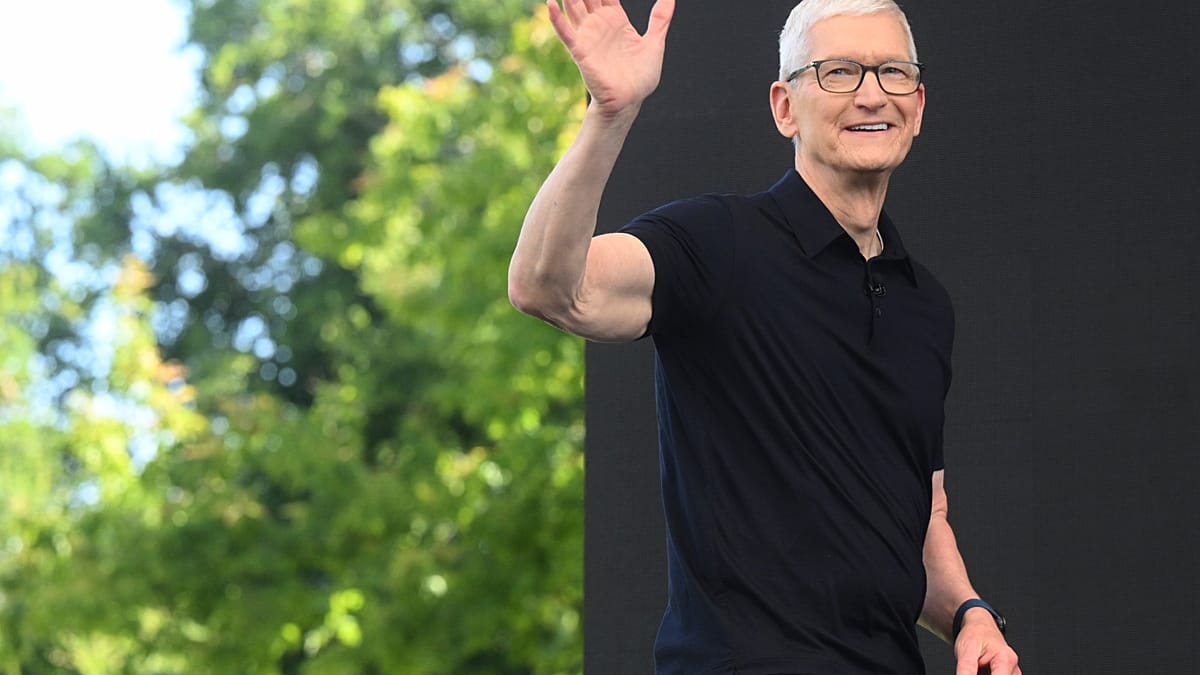
At its annual Worldwide Developers Conference in Cupertino, Apple finally laid out its artificial intelligence strategy, unveiling a revamped Siri that the company says will be more intuitive and privacy-conscious. The keynote also marked the last WWDC for CEO Tim Cook, who announced his retirement in April after 15 years at the helm.
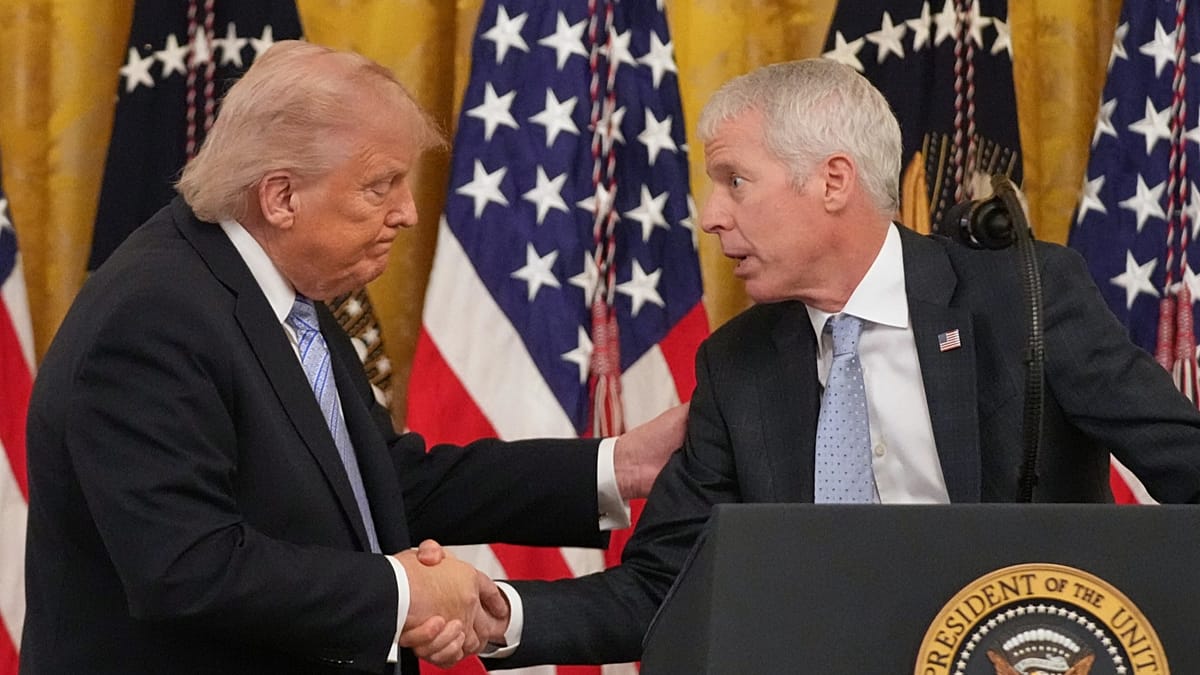
Cook received an extended standing ovation from the audience. “I am deeply grateful to have been on this journey with you,” he said, adding that “the energy around Apple platforms has never been stronger.” He will be succeeded by John Ternus, a 25-year Apple veteran who has overseen engineering for the iPhone, iPad, and Mac for the past five years. Ternus did not appear on stage during the event.
A Siri That Understands Context
The centerpiece of the presentation was Siri AI, which Apple describes as a “much more capable assistant.” Unlike its predecessor, the new Siri can analyze what is on a user’s screen and pull information from across a person’s Apple devices to answer questions more accurately. For example, it can create a menu for a World Cup viewing party by gathering recipes from the web or from text messages, and then invite friends from a group chat.
Visual intelligence is another key feature. Pointing the camera at a plate of food will display nutritional details, while looking at a backpack can tell you whether it qualifies as carry-on luggage for a flight. The assistant also works with images already on the screen, such as determining if a pair of hiking boots will fit inside a bag.
Apple software chief Craig Federighi took subtle jabs at unnamed AI companies that seem to be “pursuing AI for the sake of AI” without clear regard for users. “We believe that truly helpful AI should be centred around you and your needs,” he said, emphasizing integration into everyday products while prioritizing privacy. To power these features, Apple is partnering with Google on the underlying models.
The company also announced improvements to its photo editing tools, including spatial reframing that lets users adjust a photo’s composition after it was taken, as if they had moved the camera to a better position. This follows similar launches by Google and OpenAI that allow users to incorporate photos and other media into AI queries.
Apple’s AI push comes after criticism that the company has fallen behind rivals in the race for artificial intelligence. The firm stumbled in delivering features it promised nearly two years ago and has yet to fully recover lost ground. Cook called his time at Apple “the honour of a lifetime” and said, “I truly believe the best is still ahead.”
However, European users will have to wait. Apple confirmed that the standalone Siri AI app, set to launch in beta later this year, will not initially be available in Europe while the company works out regulatory issues. It will also be absent from China for similar reasons. This delay underscores the broader challenge of why Europe lags behind the US in workplace AI adoption, as companies navigate the EU’s strict data protection rules.
The transition to a new CEO comes at a pivotal time for Apple. Artificial intelligence has proved the most disruptive force in the technology industry since Steve Jobs unveiled the first iPhone in 2007 — and Apple, the company he built, has been slow to keep up. With Ternus set to take over in September, the pressure is on to regain momentum in a market where European competitors and regulators are increasingly shaping the landscape.