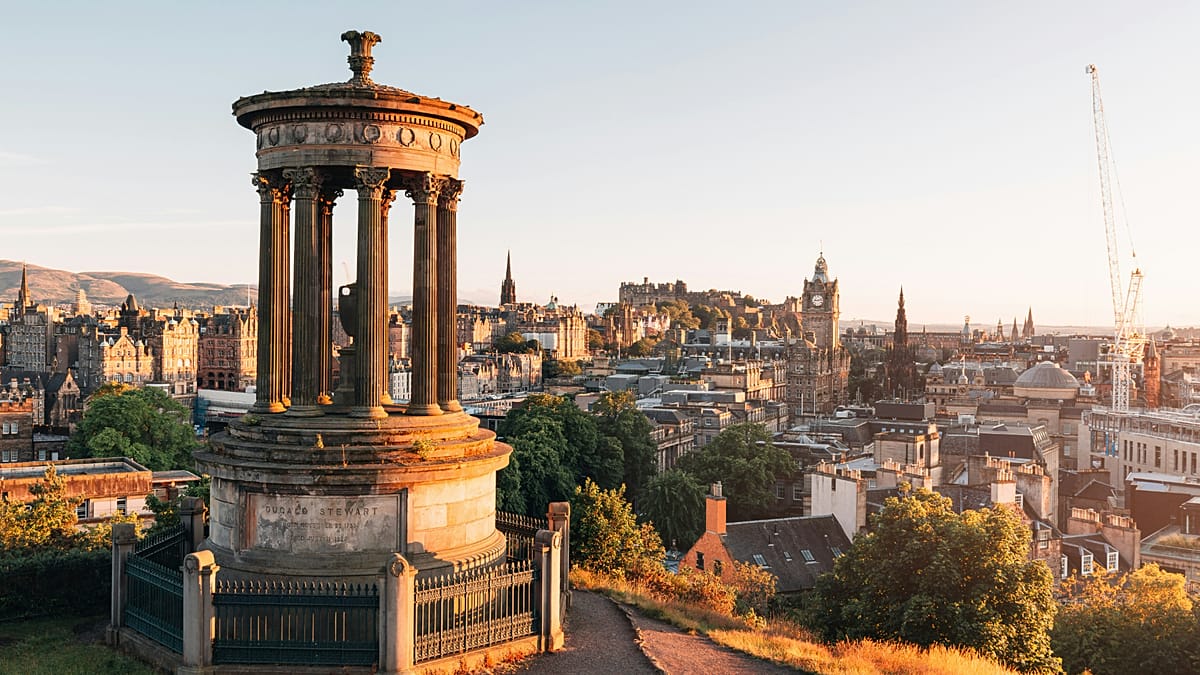
From Friday 24 July, visitors to Edinburgh will face an additional charge on their accommodation bills. The Scottish capital has introduced a 5% tourist tax on all paid overnight stays, including hotels, B&Bs, hostels, and short-term rentals such as Airbnbs. The levy applies to bookings made from 1 October 2025 for stays on or after the launch date, and is capped at five consecutive nights at the same rate year-round.
Edinburgh is the first city in Scotland to implement such a scheme, following similar measures in other European destinations like Venice, Barcelona, and Amsterdam. The city council expects the tax to raise up to £50 million (€58 million) annually, which will be reinvested into local infrastructure, cultural events, and public spaces.
How the levy will be used
In February, councillors approved an initial investment programme worth more than £90 million (€105.3 million) over three years, funded by the levy. The spending is organised under three themes: City Operations and Infrastructure; Culture, Heritage and Events; and Destination and Visitor Management.
Early projects already underway include a £132,000 (€154,400) contribution to Edinburgh's Festival Carnival and Mardi Gras, and a partnership with Police Scotland to establish a dedicated City Centre Policing Unit aimed at improving public safety. Over the next three years, £1.3 million (€1.52 million) will go towards additional city centre services such as waste collection, cleaning, and patrols. A further £2 million (€2.34 million) and £2.5 million (€2.93 million) are earmarked for transforming the coastal attractions at Cramond foreshore and Portobello Promenade, respectively.
Green spaces will also benefit: the parks repairs budget will increase, the number of park rangers will double, and new planting projects—including floral gateways—are planned to enhance the city's aesthetic appeal.
Council Leader Jane Meagher explained the rationale: “We know that the city’s popularity comes at a cost through the pressure it puts on our services and on the people who live and work here all year round. This small new contribution from overnight visitors will help improve the services and public spaces we all depend on, while better managing the effects of tourism and major events.”
Edinburgh's move reflects a broader European trend of using tourist taxes to manage visitor numbers and fund local sustainability. For instance, the Canary Islands have launched a voluntary tourist tax to support environmental projects, while other cities have imposed mandatory levies. The approach aims to balance the economic benefits of tourism with the strain it places on housing, transport, and public services.
Scotland's capital is a major European tourist destination, drawing millions annually for its historic Old Town, the Edinburgh Festival Fringe, and landmarks like Edinburgh Castle. The new tax is expected to affect a wide range of visitors, from business travellers to holidaymakers. Accommodation providers will be responsible for collecting the fee and remitting it to the council.
Critics argue that the levy could deter budget-conscious tourists or push them towards unregulated accommodation. However, supporters point to similar taxes in other European cities that have not significantly reduced visitor numbers. The Edinburgh scheme is part of a wider conversation across Europe about how to make tourism more sustainable without sacrificing economic gains.
As other UK cities, including Manchester and Bath, consider their own visitor levies, Edinburgh's implementation will be closely watched. The success of the tax will depend on transparent spending and demonstrable improvements to the visitor experience and local quality of life.