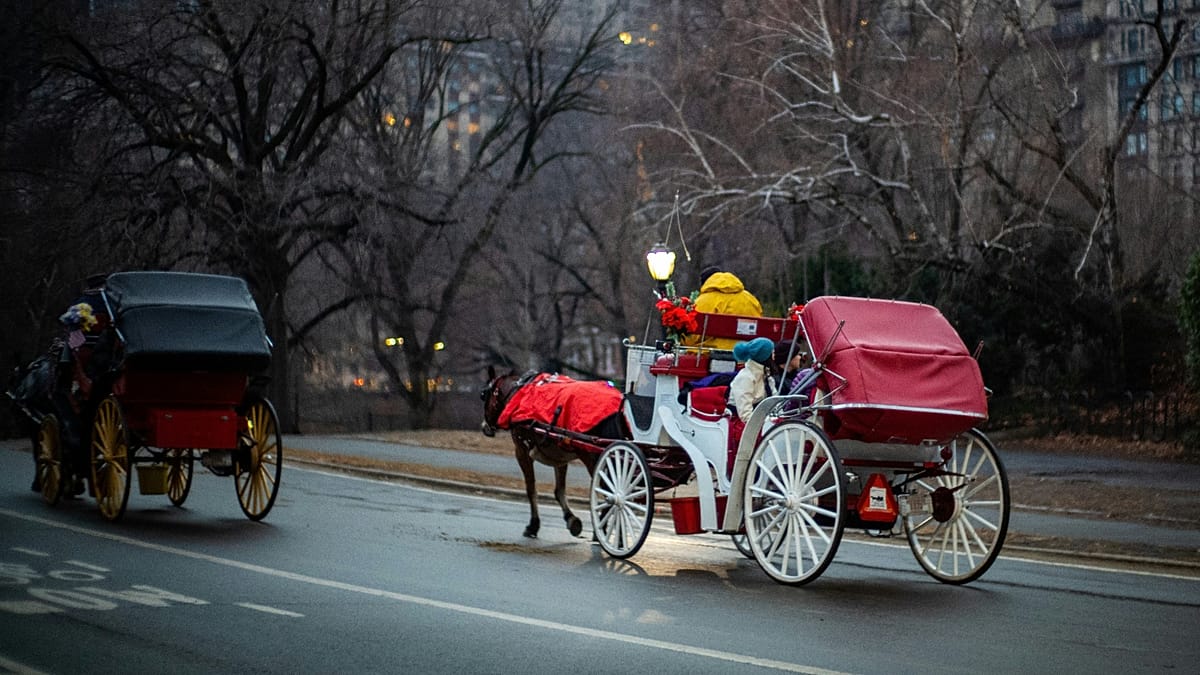
New York City's iconic horse-drawn carriage rides through Central Park may soon become a memory. On 22 October, the city council voted to phase out the tradition that has been a fixture of the park since the mid-19th century, marking the culmination of nearly two decades of contentious debate.
The measure now awaits the signature of Mayor Zohran Mamdani, who has expressed support for a ban but has also voiced concerns about the livelihoods of the roughly 150 active carriage drivers. If signed into law, the ban would take effect in June 2028, providing a transition period intended to help drivers find new employment, according to city council speaker Julie Menin.
The Transport Workers Union, which represents the drivers, has vowed to challenge the legislation in court, arguing that the ban would destroy a historic industry and put people out of work.
A tradition under scrutiny
Horse-drawn carriages have been a part of Central Park since its early days, immortalized in films such as Barefoot in the Park with Robert Redford and Jane Fonda, and in a memorable scene from Sex and the City. A 45-minute ride costs around $150 (€134), and special occasions like marriage proposals can run into several hundred dollars.
But the industry has faced mounting criticism over the treatment of the horses. Animal welfare advocates have pointed to incidents of horses collapsing and dying, as well as dangerous escapes. This past June, an 18-year-old tourist from India was killed when a horse bolted and ran loose, a tragedy that proved decisive in swaying public opinion and council votes.
The Central Park Conservancy, which manages the park and welcomes 42 million visitors annually, threw its support behind the ban, calling it a matter of public health and safety.
The bill includes provisions to protect the nearly 200 horses currently in service. Owners would be barred from selling them for slaughter or to other horse-carriage businesses. The legislation also calls for exploring compensation for licence holders, though details remain to be worked out.
Supporters of the ban argue that the transition period will allow drivers to retrain for other jobs, while opponents counter that the industry provides a unique service and a connection to the city's heritage. The legal battle is likely to be protracted, with the union vowing to fight the ban in court.
As New York prepares to bid farewell to this centuries-old attraction, other cities across Europe and the world are watching closely. Many European capitals, including Vienna, Paris, and Rome, still operate horse-drawn carriages in their historic centres, and they face similar debates over animal welfare and tourism. The outcome in New York could set a precedent for how other cities balance tradition with modern ethical standards.
For now, the carriages will continue to clip-clop through Central Park until the ban takes effect in 2028, unless legal challenges or a mayoral veto alter the course. The decision marks a significant shift in how urban parks and their attractions are managed, with an increasing focus on animal welfare and public safety.