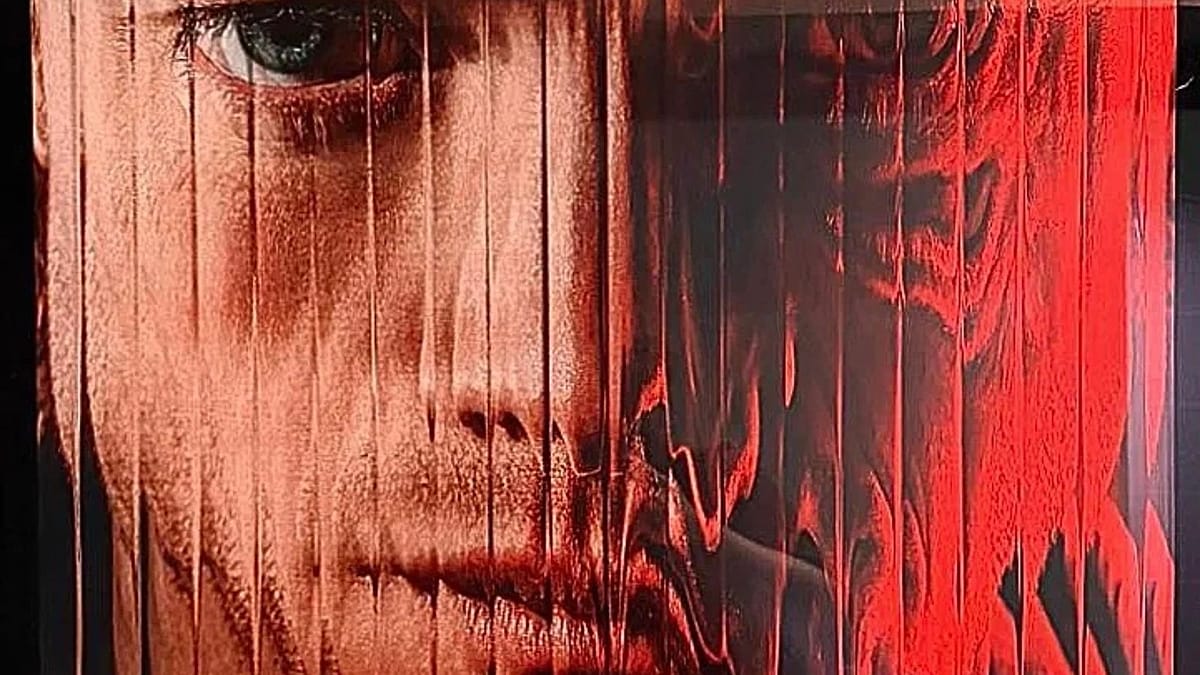
It is a rare thing for a superhero film to embrace horror wholeheartedly. Wes Craven tried with Swamp Thing, Sam Raimi with Darkman, and David Yarovesky with Brightburn – the 2019 Superman twist produced by James Gunn, now co-CEO of DC Studios. For the third instalment of the DC Universe's first chapter, “Gods and Monsters,” Gunn and his partner Peter Safran have turned to the “monster” side, betting on a lesser-known Batman villain and delivering a strikingly dark, modestly budgeted ($40 million) detour from the more wholesome adventures of Superman and Supergirl.
A star's fall from grace
Welsh actor Tom Rhys Harries plays Matt Hagen, a rising Hollywood heartthrob whose chiselled looks and blue eyes have earned him award nominations. One night, a casual hook-up with a dancer turns disastrous when her boyfriend, a knife-wielding Gotham mobster named Markos Szabo (David Dencik), carves up Matt's face – repeatedly. The disfigured actor, desperate to salvage his career, turns to Dr. Caitlyn Corr (Naomi Ackie), a scientist specialising in nanotechnology. She injects him with an experimental serum of AI-powered stem cells that can regenerate dead tissue, and Matt becomes her first human guinea pig.
The initial results are promising, but unforeseen side effects soon emerge, sending Matt into a violent, revenge-fuelled spiral. He injects himself with all of the doctor's nanocells, unleashing a monstrous transformation.
Gore and prosthetics shine, script sags
As a bleak and surprisingly gory origin story, Clayface works. Director James Watkins (Eden Lake, Speak No Evil) does not flinch from the horror: the initial slash attack is shown in unflinching detail, reconstructive surgery is visceral, and a plane bathroom scene involving nail scissors and fusing eyelids is genuinely wince-inducing. The practical effects and prosthetics are splendid, and Harries convincingly sells both the unsettling and heartbreaking toll of his transformations.
Yet the script – aptly, skin-deep – fails to match the visual ambition. It stalls in developing characters and never compellingly explores the thematic potential: the superficiality of beauty standards, the shallow nature of Hollywood, or the psychological weight of losing one's identity. A more meaningful elaboration on the loss of self was warranted, especially given the tragic hero's fatal flaw.
Instead, the second half settles for a generic and predictable path. The project was originally brought to Gunn and Safran by Mike Flanagan (Midnight Mass, The Haunting of Hill House), but scheduling conflicts prevented him from directing. His script was overhauled by Hossein Amini (Drive, Snow White and the Huntsman), and in the film's droopier moments – clunky dialogue, a clumsy backstory, a shoehorned romance – one wishes Flanagan had been given the reins.
A bold but uneven result
There are nods to Brian Yuzna and echoes of The Fly and Eyes Without A Face, and Harries proves he has the chops to carry a film. But like Milly Alcock in Supergirl, his efforts are not rewarded by anything particularly new or radical. Credit to DC Studios for taking a chance and delivering something nastier and gorier than any other blockbuster offering – it is certainly different and vastly superior to previous rogue flicks like Morbius, Madame Web, or Kraven the Hunter. But as gnarly and queasy as Clayface is, the story and its characters needed to get under your skin to be truly memorable.
For more on the DC Universe's European connections, check out our review of another horror-inflected film. And for the latest on media freedom in Europe, see our report on Belarus's ban.