As Brazilians prepare for a decisive runoff, a former European lawmaker has cautioned that a victory for Jair Bolsonaro could significantly strain the country's relationship with the European Union. João Albuquerque, who served as vice-chair of the EU-Brazil delegation in the European Parliament, said that the current president's re-election would likely push Brasília away from Brussels on key issues such as trade, climate change, and democratic principles.
Lula's legacy of closer ties
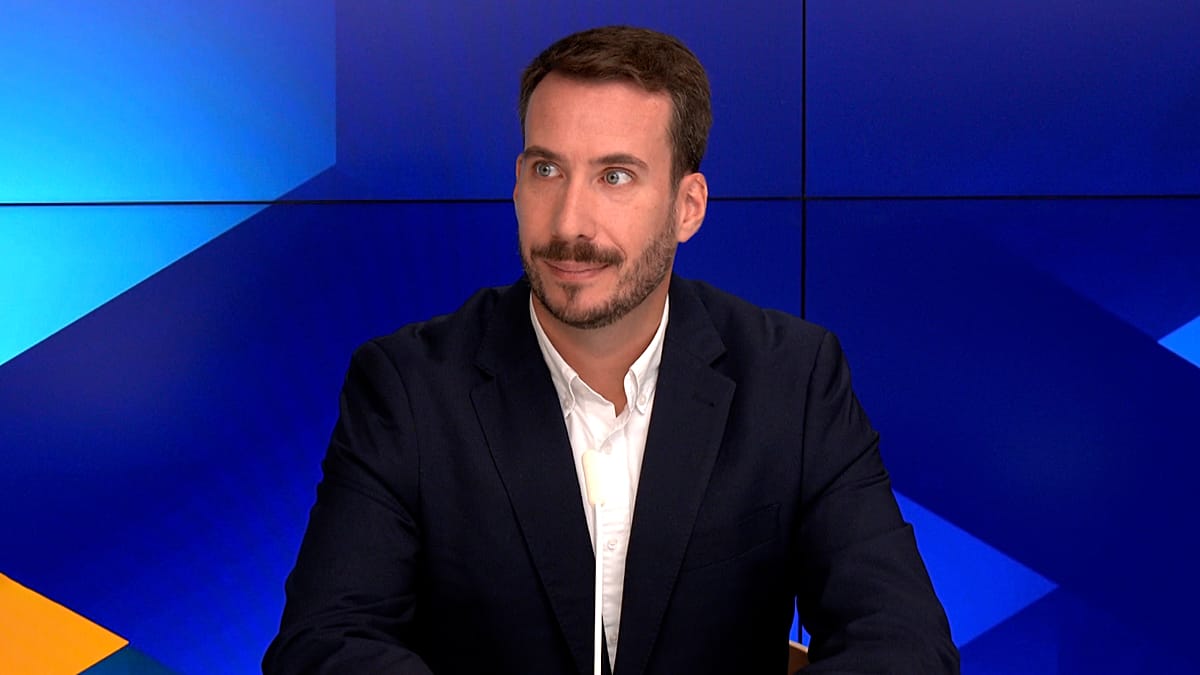
Speaking on Euronews' flagship morning programme Europe Today, Albuquerque highlighted how the previous administration of Luiz Inácio Lula da Silva had worked to bring the two sides together. Under Lula, Brazil and the EU made progress on the long-stalled Mercosur trade agreement, cooperated on environmental commitments, and shared a common language on democratic values. "Lula helped build a bridge between Brazil and Europe," Albuquerque said. "That bridge could now be at risk."
The former MEP, a Portuguese socialist, argued that a shift to the right in Brasília would not only cool relations with Brussels but could also align Brazil more closely with the agenda of former US President Donald Trump. Such a realignment, he suggested, would have consequences for global climate diplomacy and for the EU's efforts to secure a balanced trade partnership with Latin America's largest economy.
Mercosur deal in the balance
The EU-Mercosur trade agreement, negotiated for over two decades, has been a cornerstone of the bloc's strategy in South America. Brazil is the dominant partner in Mercosur, which also includes Argentina, Uruguay, and Paraguay. Albuquerque noted that Lula's government had shown a willingness to address European concerns over deforestation and environmental standards, which had been a major sticking point in the talks. A Bolsonaro administration, by contrast, has been criticized for weakening environmental protections and for a spike in Amazon deforestation.
"The European Parliament has been clear that any trade deal must be linked to sustainability commitments," Albuquerque said. "If Brazil moves away from those commitments, the agreement could collapse."
The stakes are high for both sides. For the EU, Brazil is a key market for manufactured goods and a vital partner in the fight against climate change. For Brazil, the EU is a major investor and trading partner, with European companies deeply embedded in the country's agribusiness, energy, and automotive sectors.
Broader geopolitical implications
Albuquerque also warned that a Bolsonaro victory could have ripple effects beyond trade. He pointed to Brazil's role in global forums, such as the United Nations and the G20, where it has often acted as a bridge between developed and developing nations. A more confrontational stance from Brasília could complicate EU efforts to build coalitions on issues like digital regulation, tax transparency, and human rights.
The former MEP's comments come as Brazil's presidential race heads to a runoff, with polls showing a tight contest between Lula and Bolsonaro. The outcome will be closely watched in European capitals, where officials have been preparing for either scenario. Some EU diplomats have expressed concern that a Bolsonaro win could embolden far-right movements across Europe, while others argue that the EU must engage with whoever wins to protect its interests.
Albuquerque, however, was blunt about the risks. "The EU cannot take Brazil for granted," he said. "If Bolsonaro wins, we will need to work harder to keep the relationship alive, but it will be much more difficult."
As the world's attention turns to the Brazilian ballot, the future of EU-Brazil relations hangs in the balance. For now, European policymakers are watching closely, aware that the outcome could reshape the continent's engagement with Latin America for years to come.