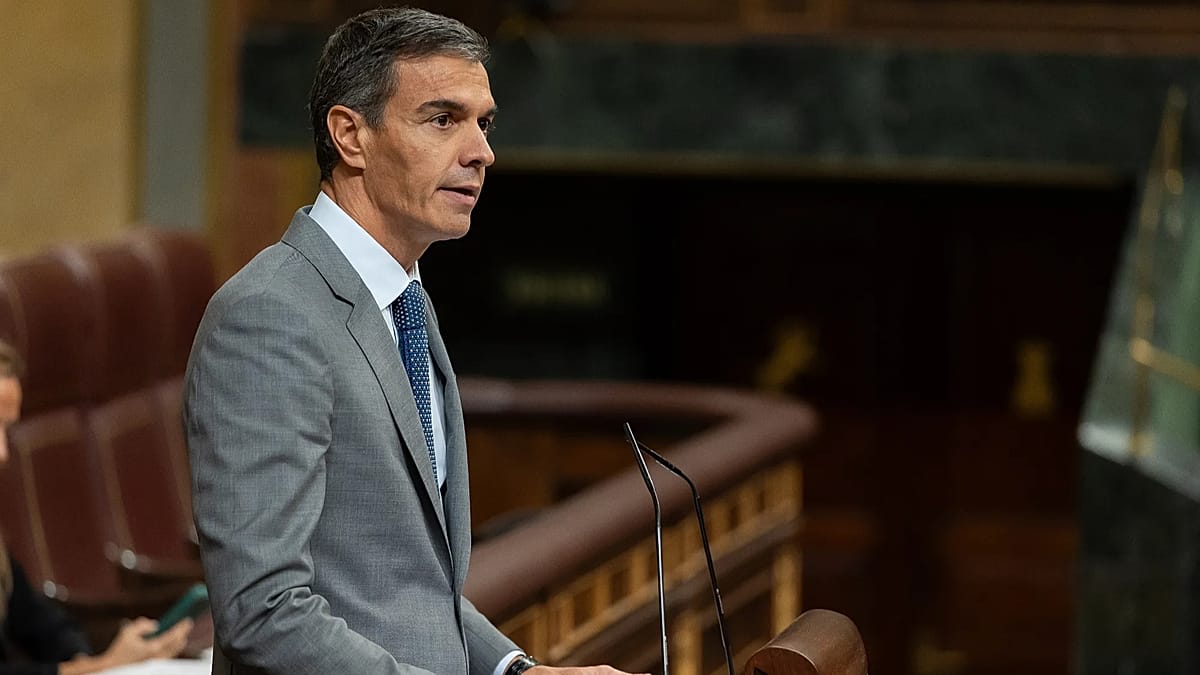
Spain's prime minister, Pedro Sánchez, has announced an early general election for 29 November, ending weeks of speculation about the future of his minority coalition government. The decision came after the lower house of parliament, the Congreso de los Diputados, voted down two decree-laws aimed at tackling the country's acute housing shortage.
The decrees, which included measures to cap rent increases and expand social housing, were defeated on Friday despite last-minute attempts to secure support from smaller parliamentary groups. The loss marked a significant legislative setback for the Socialist Party (PSOE) leader, who had made housing affordability a central pledge of his administration.
Following the vote, Sánchez entered a period of reflection, consulting senior ministers and party officials over the weekend. The prime minister ultimately concluded that the erosion of his parliamentary majority made it impossible to govern effectively for the remainder of the term.
A fragile coalition under pressure
The decision to go to the polls comes after a turbulent few months for the coalition government, which has struggled to pass legislation in a fragmented parliament. The housing defeat was the latest in a series of setbacks that have exposed the limits of Sánchez's support, which relies on a patchwork of regional and smaller parties.
Beyond the housing crisis, the government has faced a severe migration emergency in the North African enclave of Ceuta. In late July, tens of thousands of migrants crossed the border from Morocco in a matter of days, overwhelming local resources and prompting the government to declare a "situation of interest for national security" for the first time since Spain's transition to democracy. The declaration was intended to improve coordination between national, regional, and local authorities.
The handling of the Ceuta crisis has sparked a fierce political row. The conservative Partido Popular (PP) and the far-right Vox have accused the government of reacting too slowly and have questioned its policy towards Morocco. Sánchez has defended the security forces' response, insisting that the government acted decisively to protect the border and manage the arrivals.
In addition to the migration pressures, several corruption investigations involving individuals close to the PSOE have come to light, providing the opposition with further ammunition. These cases have weighed heavily on the government's credibility and have been used by the PP and Vox to intensify their attacks.
The housing issue, however, has proven particularly potent. Mass protests have erupted across Spanish cities, with demonstrators demanding more affordable housing and stronger tenant protections. The rejection of the decrees has only fueled public anger, and the election campaign is likely to be dominated by housing policy.
Sánchez's decision to call an early election is a gamble. Polls suggest a tight race, with the PP and Vox potentially able to form a government, though their combined support has fluctuated. The prime minister will hope that by framing the election as a choice between progressive governance and a right-wing bloc, he can rally his base and attract undecided voters.
The election will take place against a backdrop of broader European concerns about housing affordability. Across the continent, prices have surged, and Spain's crisis is part of a wider pattern that has pushed housing to the top of political agendas in many member states.
For now, the campaign is set to be short and intense. Sánchez will need to defend his record while offering a credible vision for the future. The outcome will not only determine Spain's direction but also send a signal about the political mood in southern Europe.