Historic talks between the leaders of China, the United States, and Russia concluded earlier today without a major breakthrough, but they have already reignited a familiar anxiety across European capitals: that the continent's fate might once again be decided over its head. Beijing has published what it calls a “trilateral peace declaration,” in which the three powers commit to reforming the United Nations and boosting oil and gas production and supply. The document, heavy on ambition and light on specifics, has been met with caution in Brussels and other EU institutions.
US President Donald Trump, speaking after his first face-to-face meeting with Vladimir Putin since their encounter in Alaska last year, praised his “great relationship” with the Russian leader. The warmth of that exchange did little to reassure European officials, many of whom remember that the last time great powers gathered to redraw the map, the consequences for the continent were dire.
On his way back from China, Trump called into a separate meeting of Ukraine’s European allies in Berlin, where he questioned the continued funding of Ukraine by European nations. However, the US President assured that he would not make decisions without consulting Ukraine’s President Volodymyr Zelenskyy. That assurance, while welcome, has not dispelled the unease in Warsaw, Tallinn, and other frontline states that rely on transatlantic solidarity.
Yalta 2.0 or a new multipolar order?
The comparison to the Yalta Conference of 1945, where the Allied powers carved up post-war Europe, is unavoidable. At Yalta, the Soviets walked away with a good deal, and the consequences lasted for half a century. The question now is whether the recent trilateral talks in Asia could produce a similar outcome, with Europe as a bystander rather than a participant.
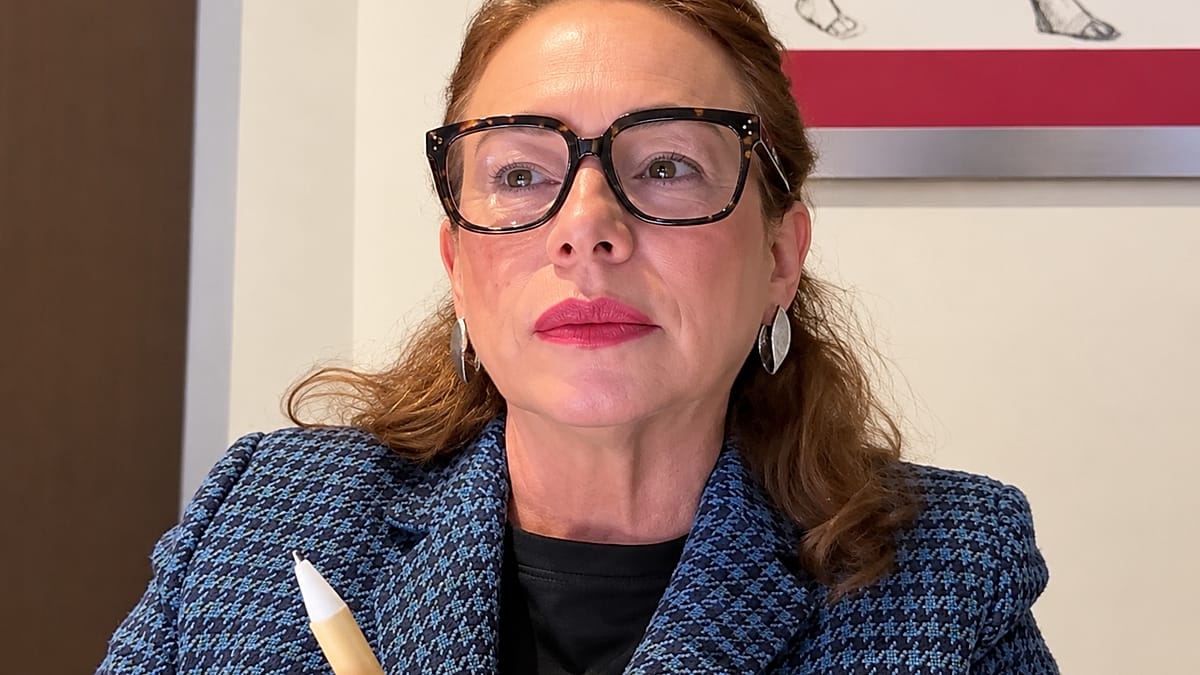
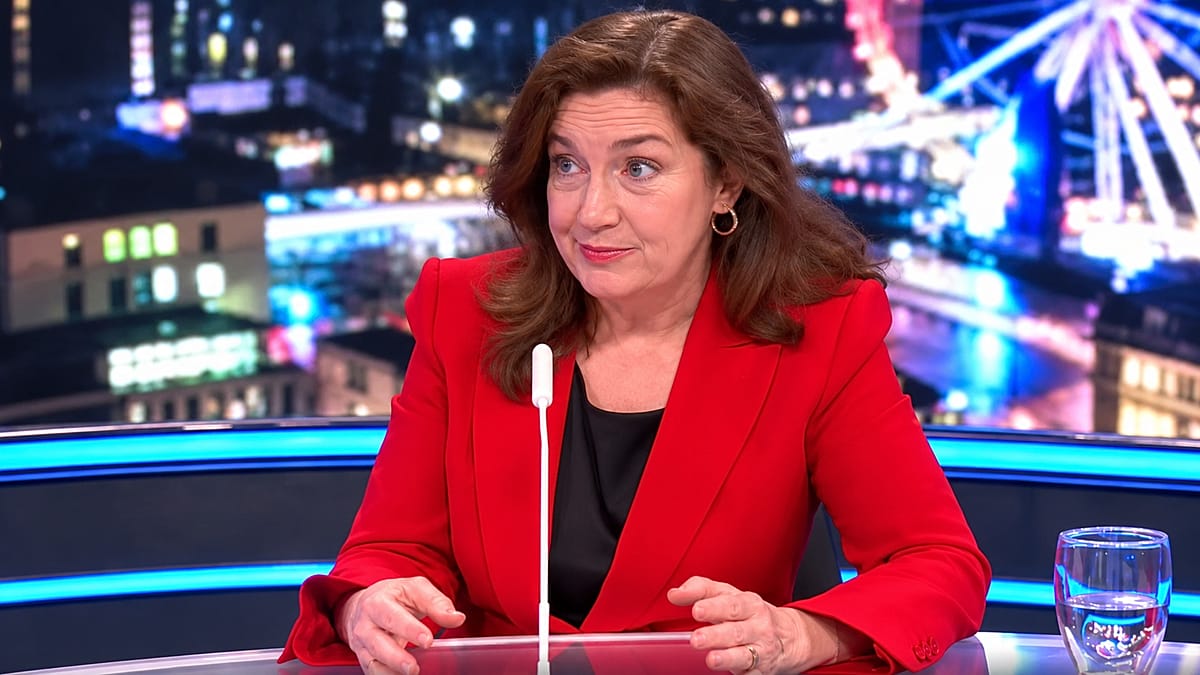
Theresa Fallon, founder and director of the Centre for Russia Europe Asia Studies, joined Europe Tonight presenter Mared Gwyn-Jones to dissect the implications. Fallon argued that while the parallel is tempting, the current situation is fundamentally different. “Yalta was a settlement after a war, with clear spheres of influence. Today, we have a more fluid, multipolar world where alliances are transactional and no single power can dictate terms,” she said.
Yet she acknowledged that the optics are troubling. The fact that the US, China, and Russia are discussing global governance and energy supplies without European representation feeds a narrative that the continent is being sidelined. This is particularly sensitive given the ongoing war in Ukraine, where European nations have provided substantial military and financial aid.
Fallon also noted that the trilateral declaration’s call for UN reform could be a double-edged sword. On one hand, it might open the door for a more representative Security Council, potentially benefiting Germany or other European aspirants. On the other, it could be a pretext for the three powers to bypass multilateral institutions they find inconvenient.
Europe’s response: unity or fragmentation?
European leaders have been quick to react. The Berlin meeting of Ukraine’s allies, which Trump briefly joined, underscored the continent’s determination to maintain support for Kyiv. But the unity is fragile. Disagreements over the pace of aid, energy policy, and relations with China continue to test the EU’s cohesion.
Fallon pointed out that Europe’s strength lies in its collective economic weight, but that requires a level of strategic coordination that has often proved elusive. “If Europe speaks with one voice, it can be a formidable player. But if it fragments, it will be picked off one by one,” she warned.
The energy dimension of the trilateral declaration is particularly concerning for Europe, which has sought to reduce its dependence on Russian gas since the invasion of Ukraine. A coordinated increase in oil and gas production by the three powers could stabilize prices, but it could also entrench the influence of authoritarian regimes in global energy markets.
As the dust settles on the APEC summit, the question remains whether the leaders of China, the US, and Russia can truly redraw global spheres of influence. For Europe, the answer will depend on its ability to assert itself as a sovereign actor rather than a passive subject of great-power politics.
Fallon’s analysis suggests that while the Yalta analogy is imperfect, the underlying fear is legitimate. The difference is that in 1945, Europe was exhausted and occupied; today, it has the resources and institutions to shape its own destiny—if it chooses to use them.