In a significant diplomatic development, US President Donald Trump, Russian President Vladimir Putin, and Chinese leader Xi Jinping issued a joint declaration on peace after their historic trilateral meeting in Shenzhen. The statement asserts that nuclear wars must never be fought, a principle long championed by arms control advocates. However, the declaration's lack of concrete commitments has raised questions about its practical impact.
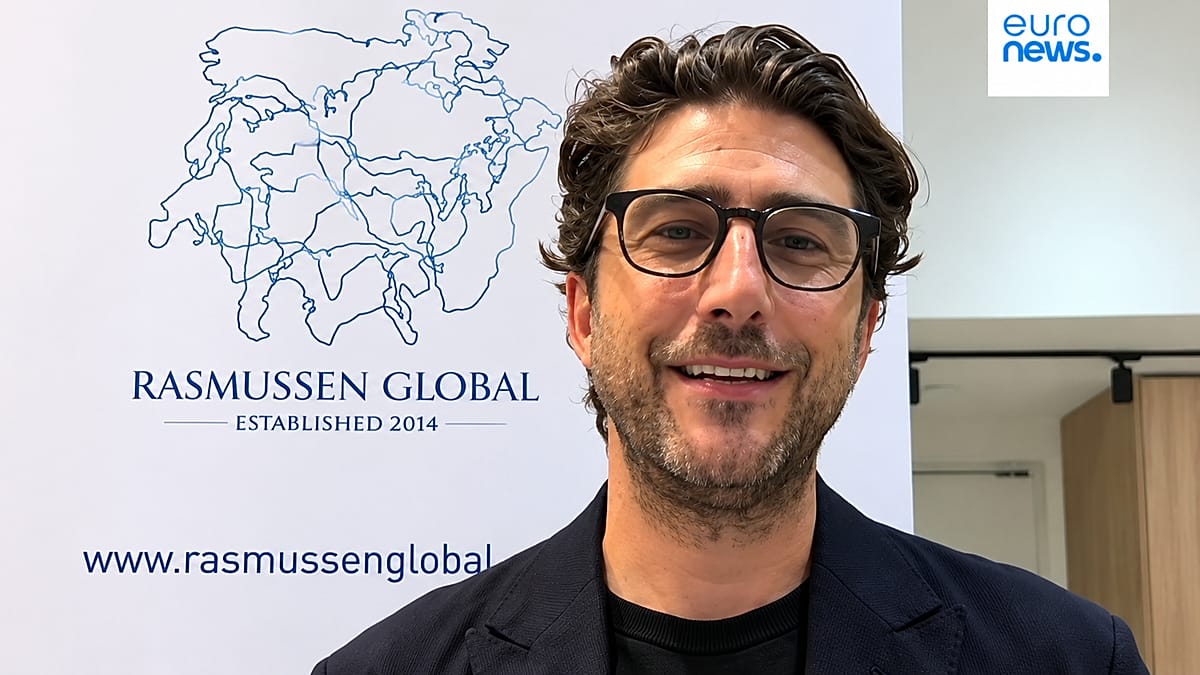
To unpack the implications for Europe, Europe Tonight welcomed Fabrice Pothier, head of policy planning in the private office of the NATO Secretary General. Pothier, who also oversees the review of current and future strategic policy issues facing the Alliance, offered a sober assessment of the talks.
A fragile consensus
Pothier noted that while the joint declaration is symbolically important, it falls short of a binding arms control agreement. "The language on nuclear war is welcome, but the devil is in the details," he said. "Without verification mechanisms or follow-up dialogue, this remains a statement of intent rather than a substantive breakthrough."
The timing is particularly delicate, as Putin has invited European envoys to Moscow to clarify their positions ahead of peace negotiations on Ukraine. This move is seen as an attempt to split European unity, a concern echoed by several EU capitals. Berlin, in particular, has been hosting parallel security talks, underscoring the continent's active role in shaping the agenda.
Pothier stressed that Europe must maintain a unified stance. "The Shenzhen declaration cannot be allowed to undermine the transatlantic bond or the EU's cohesive approach to Russia," he argued. "We need to engage, but from a position of strength and clarity."
European security at stake
The trilateral talks have also raised concerns about the future of arms control architecture in Europe. With the Intermediate-Range Nuclear Forces Treaty already defunct, NATO members are watching closely for any signs of a new arms race. Pothier emphasized that the Alliance's deterrence and defense posture remains essential, regardless of the diplomatic rhetoric.
He also pointed to the broader geopolitical context, noting that China's role as a mediator is a new variable. "Beijing is positioning itself as a global power broker, but its alignment with Moscow on key issues remains a challenge for the West," he said.
For European leaders, the immediate priority is to prepare for the upcoming peace negotiations. Ukraine's President Volodymyr Zelenskyy has already expressed expectations of a US briefing on the Shenzhen talks, indicating that Kyiv is closely monitoring the diplomatic fallout.
Pothier concluded with a call for strategic patience. "Europe must not be lulled into complacency by grand declarations. We need to invest in our own security and work with allies to ensure that any peace process is just and sustainable."
As the continent navigates this uncertain landscape, the coming weeks will be critical in determining whether the Shenzhen declaration translates into tangible progress or remains a symbolic gesture.