As the COP31 climate summit barrels toward its Friday deadline, negotiators from more than 200 countries remain locked in tense discussions over the two most divisive issues: climate finance and the pace of fossil fuel phase-out. With the clock ticking, the stakes could not be higher for the European Union, which is pushing for an ambitious outcome that aligns with the bloc's 2050 net-zero target.
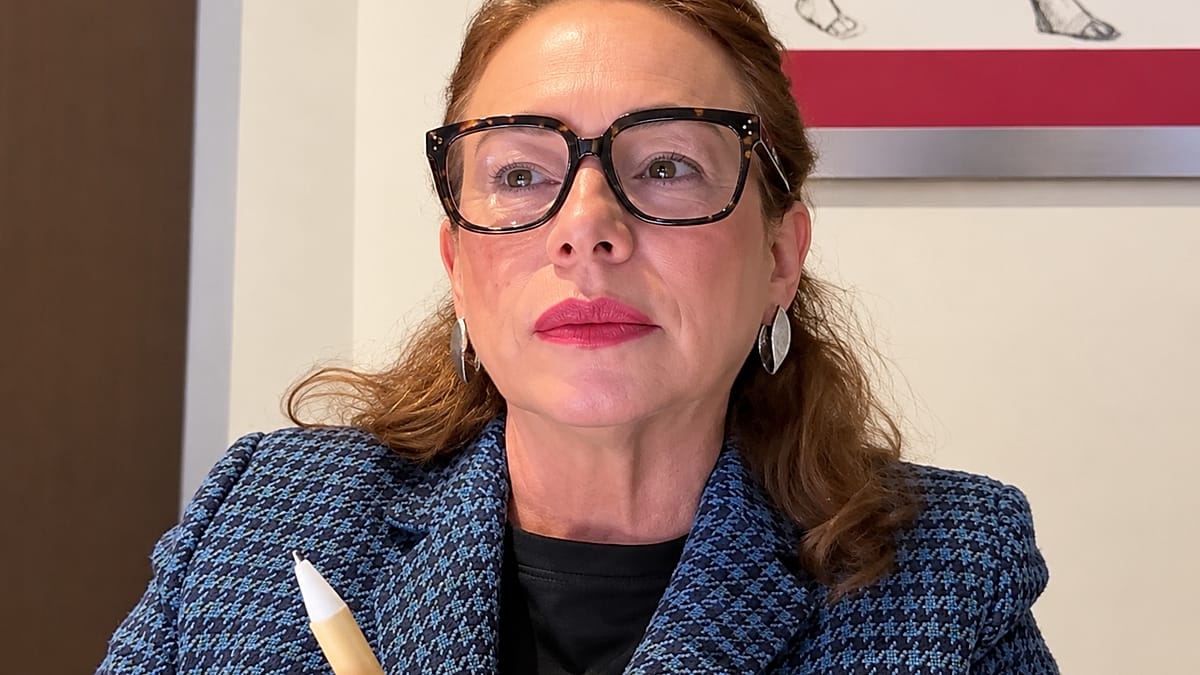
To make sense of the chaos, Europe Tonight welcomed María Fernanda Espinosa, former President of the UN General Assembly and a candidate for UN Secretary-General. Espinosa, who has been a vocal advocate for climate justice, offered a candid assessment of the negotiations and the hurdles that remain.
Climate finance: the perennial sticking point
At the heart of the deadlock is the question of who pays for the transition in developing nations. Wealthy countries, including the EU's 27 member states, have pledged billions, but developing nations argue that the sums are far too small and that the delivery has been slow. Espinosa stressed that the credibility of the entire process depends on closing this gap.
"The Global South is not asking for charity; it is asking for the means to leapfrog to a sustainable future," she said during the broadcast. "Without predictable and adequate finance, the promises made in Paris and Glasgow will remain hollow."
The EU has proposed a mix of public and private funding, but divisions remain among member states over how to scale up contributions. Germany and France have been the most vocal proponents of increasing public finance, while others, such as Poland and Hungary, have urged caution, citing domestic budget constraints.
Fossil fuel phase-out: a battle of words
The other flashpoint is the language around fossil fuels. A coalition of small island states and European climate leaders, including the Netherlands and Denmark, is pushing for a clear commitment to phase out oil, coal, and gas by 2050. But major producers, including Saudi Arabia and Russia, are resisting any such language, arguing that it would be economically disruptive.
Espinosa warned that the final text must not be watered down. "We have seen too many summits where the language is ambiguous and the follow-through is weak," she said. "The world is watching, and the science is unforgiving."
The EU's chief negotiator, who has been shuttling between bilateral meetings with African and Latin American delegations, remains hopeful that a compromise can be found. However, the bloc is also preparing for the possibility that the talks will overrun, as has happened in previous years.
Europe's role in a fragmented world
The COP31 talks are unfolding against a backdrop of geopolitical tension, with the war in Ukraine and the recent Shenzhen declaration dominating headlines. Espinosa noted that the climate crisis cannot be separated from these broader security challenges.
"Europe has a unique responsibility to keep the multilateral system alive," she said. "The EU's ability to build bridges between the Global North and South will be crucial, not just for this agreement, but for the future of global governance."
Her comments echo concerns raised by European diplomats that the recent trilateral talks in Shenzhen could signal a shift toward great-power politics that sidelines smaller nations. Espinosa argued that climate diplomacy offers a counterweight, as it requires the participation of all countries, regardless of their size.
What happens next?
As the final hours approach, negotiators are working on a draft text that could serve as a basis for a deal. The EU is pushing for a package that includes a new collective quantified goal on climate finance, a framework for loss and damage, and a commitment to peak global emissions by 2025.
But the road to consensus is fraught. Espinosa cautioned against expecting a perfect outcome. "We are in the realm of the possible, not the ideal," she said. "The question is whether the political will exists to move beyond the lowest common denominator."
For European viewers, the outcome of COP31 will have direct implications, from energy prices to the bloc's competitiveness. The EU's Green Deal, which aims to make Europe the first climate-neutral continent, is already facing pressure from industry and farmers. A weak climate deal could undermine the political momentum behind these policies.
Espinosa's appearance on Europe Tonight served as a reminder that the climate crisis is not a distant threat but a present reality. As she put it, "The future is not something we inherit; it is something we build, or fail to build, today."
With the clock ticking, all eyes are on the conference hall. Whether the world's leaders can rise to the occasion remains to be seen, but as Espinosa's interview made clear, the cost of failure is not just political—it is existential.