In a move that critics say prioritises energy security over climate ambition, the European Union has agreed to postpone key methane emissions requirements for oil and gas imports by two years. The deal, struck between the European Parliament and EU member states, pushes the compliance deadline to 1 January 2029, instead of the originally planned January 2027.
The regulation, first adopted in 2024, obliges foreign suppliers to report methane emissions associated with the oil, gas and coal they sell to European buyers. The delay applies to monitoring, reporting and verification obligations, as well as methane-intensity reporting for both European producers and importers, now due by August 2030.
Energy security and industry pressure
EU governments cited high and volatile energy prices, as well as potential supply disruptions linked to the US-Israeli conflict with Iran, as justification for the postponement. The decision also follows intense lobbying from the fossil fuel industry and concerns about the bloc's competitiveness.
French President Emmanuel Macron wrote to European Commission President Ursula von der Leyen in September, urging a delay to avoid weakening the EU's own production capacity during a period of heightened energy insecurity. Paris had previously supported stricter methane rules but joined other governments and industry groups in arguing that the requirements could complicate securing oil and gas supplies.
The United States, Europe's largest supplier of liquefied natural gas, has also repeatedly criticised the legislation, warning that it could add costs and hinder exports. The EU depends on the US for between a third and half of its diesel imports, roughly 180,000 barrels per day.
The political battle exposed divisions within the European Parliament. In October, the centre-right European People's Party (EPP) pushed through a three-year postponement, winning support from far-right lawmakers after talks with the Socialists and Liberals collapsed. The proposal passed with 341 votes in favour and 225 against. The Greens accused the EPP of aligning with the far right to weaken climate rules and protect the fossil fuel industry. The EPP argued that the original timetable was unrealistic and would disadvantage European producers and importers.
Thursday's compromise reduces the Parliament's demand for a three-year delay to two years, but still exceeds the Commission's initial offer and the one-year delay backed by EU governments.
Dimitris Tsiodras, the EPP's lead negotiator on the Environment Committee, said the priority was to ensure energy security, affordability and industrial competitiveness alongside methane reduction commitments. “We are not suspending the methane regulation but ensuring its effective implementation and that all compliance requirements can be met in practice,” he said.
Czech First Deputy Prime Minister and Industry and Trade Minister Karel Havlíček hailed the deal as a success, saying it would prevent further increases in oil and gas prices. “It can be done. When we unite and are determined, we can change even what seemed impossible. The Czech Republic, which won 19 other countries over to its side, achieved a major success in the EU,” he wrote on X.
Critics question the rationale
Environmental groups and experts have questioned whether postponing the rules will make any meaningful difference to energy prices or supply availability. The regulation does not ban imports of fossil fuels that fail to meet EU standards; its initial requirements focus on monitoring and reporting emissions, allowing the bloc to gather data on pollution from imported energy.
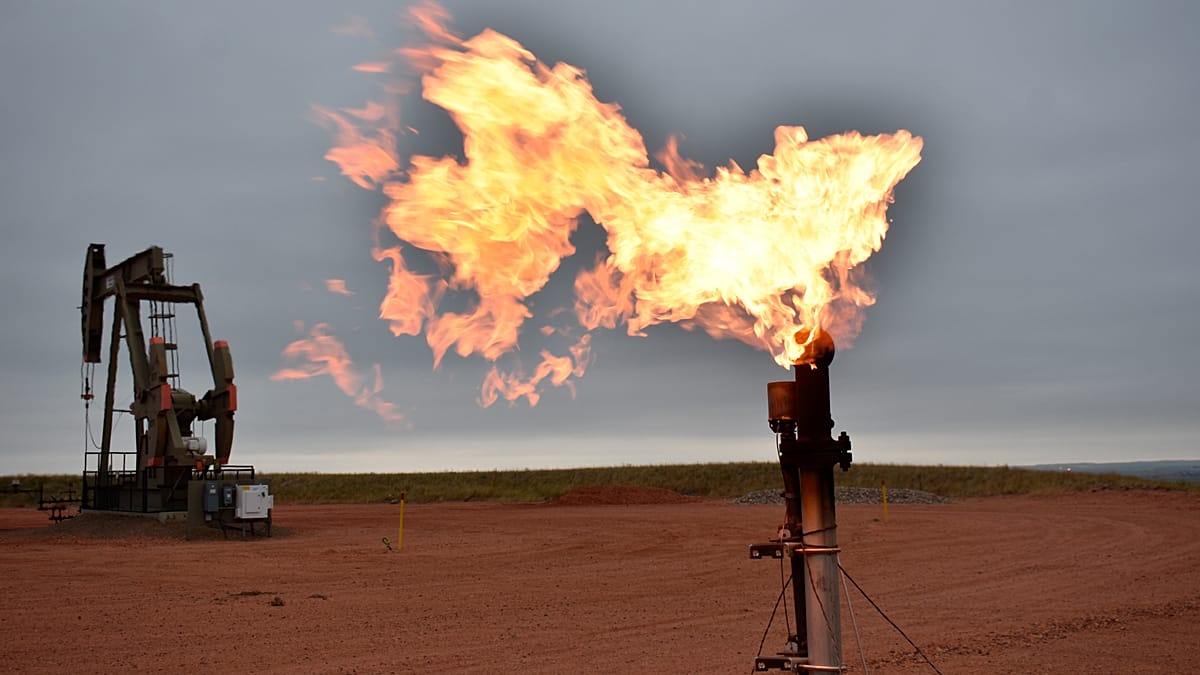
Methane is responsible for around 30% of global warming and is significantly more potent than carbon dioxide in the short term. Cutting emissions from fossil fuel production is widely considered one of the fastest ways to slow global warming. Inger Andersen, executive director of the United Nations Environment Programme, has described methane reduction as “our emergency brake to slow warming”.
François-Régis Mouton de Lostalot, managing director at the International Association of Oil and Gas Producers (IOGP) Europe, called the delay a “certain improvement” but warned that without a review clause, Europe has no margin for error. “The Commission and Member States must lead a coordinated effort from day one, with clear milestones and responsibilities, to make the compliance framework fully operational before the obligations apply,” he said.
The provisional deal still requires formal approval from the Parliament and the Council, expected by the end of the year. This decision is another test for the European Green Deal, which has already faced pushback on other fronts, including efforts to promote heat pumps and the food industry's role in security. As the EU navigates geopolitical tensions and economic pressures, the balance between climate action and industrial competitiveness remains fragile.