The European Commission has unveiled the eight finalists for its 2028 Green Capital and Green Leaf awards, honouring cities that combine environmental progress with better living conditions. The winners will be announced on 8 October in Guimarães, Portugal, which holds the 2026 Green Capital title.
An independent panel narrowed the field from 27 applicants, assessing each city on air and water quality, biodiversity, waste management, noise reduction, emission cuts, and resilience to climate threats like extreme heat and flooding. The awards are given more than a year in advance, giving winners time to plan events and projects for their title year.
Who are the finalists?
Five cities are competing for the Green Capital title, open to cities with over 100,000 inhabitants: Aalborg in Denmark, Bielsko-Biała in Poland, Košice in Slovakia, Porto in Portugal, and Zaragoza in Spain. For the Green Leaf award, for smaller cities (20,000–100,000 residents), the finalists are Benidorm and Chiclana de la Frontera in Spain, and Estarreja in Portugal.
Each finalist brings distinct strengths. Zaragoza has impressed with its biodiversity efforts, linking parks, riverbanks, wetlands, and street trees into a connected network that supports wildlife and reduces flood risk. Porto has focused on water management, restoring the Rio Tinto riverbed, creating parks that absorb heavy rain, and reusing treated wastewater for irrigation and street cleaning.
Benidorm, a resort town, has dramatically increased its green space, expanding public gardens from 350,000 square metres in 2012 to over 1.5 million today, and quadrupling its tree count. Now, 92% of residents live within 300 metres of a public green space.
The finalists will present their plans to an international jury on 7 and 8 October. The Green Capital winner receives €600,000, while Green Leaf winners get €200,000 for environmental projects and public activities.
Urban greening across Europe
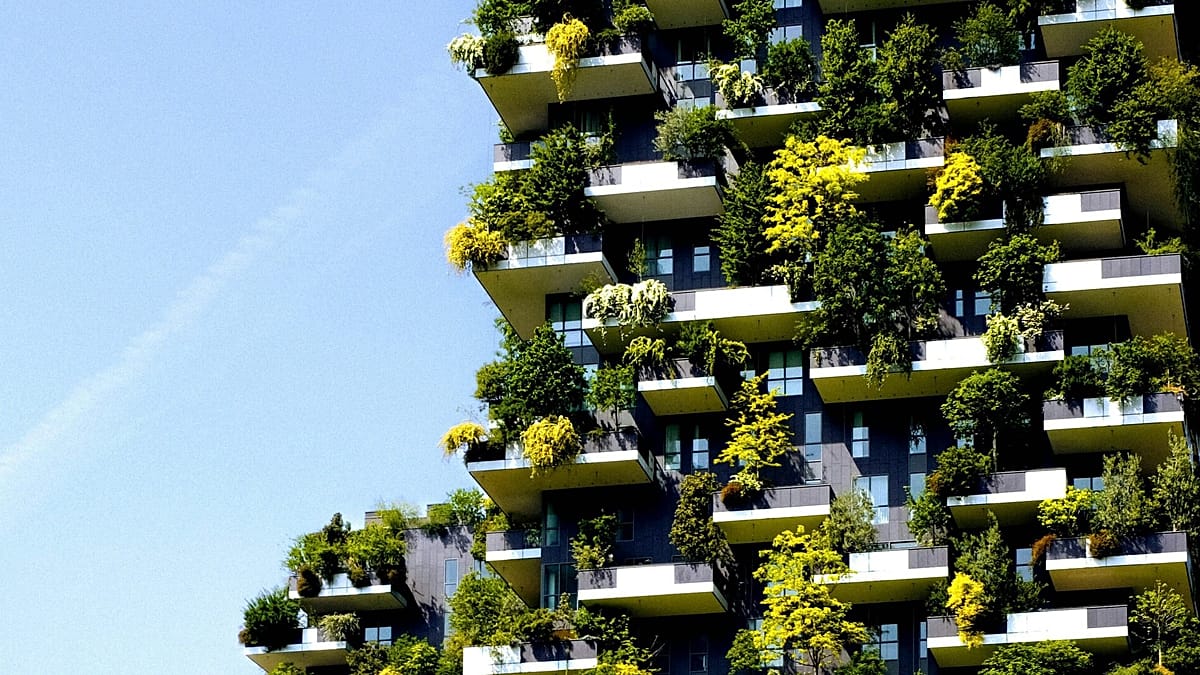
The awards reflect a broader shift in European urban planning. As summers grow hotter and weather more erratic, cities are giving more space to trees, parks, and water. Barcelona has closed some streets to traffic and turned others into pedestrian zones and parks. Milan's Bosco Verticale, two residential towers with over 21,000 trees and shrubs, shows how greenery can be added even in dense areas.
In Breda, the Netherlands, civic involvement has transformed the city since 2000, replacing concrete tiles with grass and flower beds, and adding rooftop gardens. Today, 60% of Breda is green space, helping it become the EU's first National Park City in 2025.
But the awards are not just about planting. Heilbronn, Germany, won the 2027 Green Capital title for its clean air and water, noise reduction, and waste management. The 2028 winners will be expected to continue this trend, setting an example for cities across the continent.
Spain's strong showing in the finalists comes amid broader environmental and social challenges, including housing protests and storm-related floods. The green awards highlight how cities can address climate risks while improving daily life.