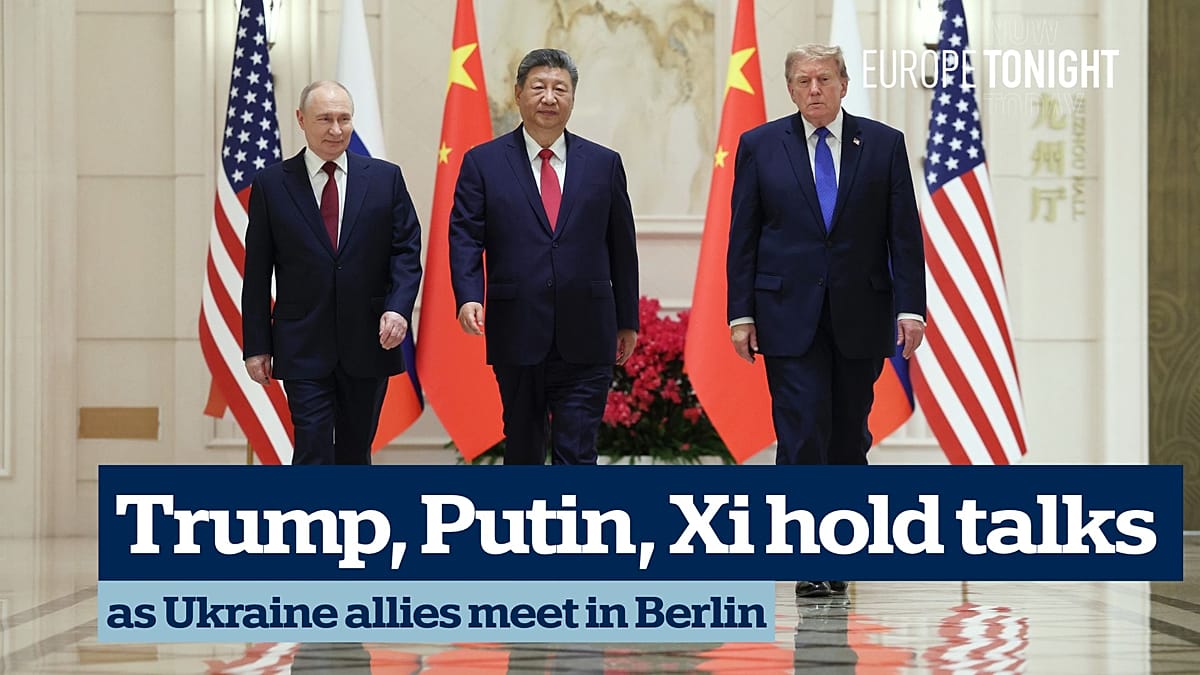
In a day of high-stakes diplomacy, the leaders of the United States, Russia, and China convened in Shenzhen for their first trilateral summit, signing a joint "Declaration on Peace" that was heavy on symbolism but light on concrete steps to end the war in Ukraine. Donald Trump, Vladimir Putin, and Xi Jinping hailed the meeting as "making history," yet the talks were overshadowed by fresh Kremlin threats of retaliation over Ukrainian strikes on the Crimea Bridge.
The declaration, signed on the sidelines of the APEC summit, has drawn sharp criticism from European capitals, where many see echoes of the Yalta conference of 1945, when the great powers carved up spheres of influence without consulting the continent's smaller nations. Fears of a Yalta 2.0 are mounting, as the absence of any European representative at the Shenzhen table underscores the continent's marginalisation in decisions that directly affect its security.
While Trump referred to Putin as "my friend," the summit produced no visible progress on Ukraine. Instead, the Kremlin issued new warnings about the Crimea Bridge, which has been repeatedly targeted by Ukrainian forces, halting rail traffic for the third time this week. The lack of a breakthrough has left European leaders frustrated, but also determined to assert their own role in shaping Ukraine's future.
Berlin: Europe's Counter-Weight to Shenzhen
In parallel, Berlin hosted a meeting of the European-led "Coalition of the Willing," bringing together Ukrainian President Volodymyr Zelenskyy, European heads of state, and US negotiators Jared Kushner and Special Envoy Steve Witkoff. The goal was to hammer out future security guarantees and a peace mandate that could serve as a European counter-proposal to any superpower deal.
Our Germany correspondent, Lena Roche, reported from Berlin that the atmosphere was tense but purposeful. "European leaders are determined to have a seat at the table," she said. "They are not willing to accept a deal negotiated over their heads." Poland has been particularly vocal, insisting that no peace deal can be made without Europe's say.
The Berlin talks are seen as a crucial step towards establishing a unified European position, with discussions focusing on military aid, reconstruction financing, and long-term security arrangements. The presence of US envoys signals that Washington, despite its unilateral overtures to Moscow and Beijing, still recognises the need for European buy-in.
Spain's Election Gamble
Meanwhile, with just ten days to go before Spaniards head to the polls on November 29, Prime Minister Pedro Sánchez faced off against his conservative rival, Alberto Núñez Feijóo, in a decisive televised debate. Polls suggest the country could swing to the right, putting Sánchez's snap election gamble at risk. Former MP and IE University professor Antonio Roldán joined us from Madrid to break down the high-stakes confrontation.
Roldán noted that the debate focused heavily on the economy, housing, and regional tensions, with Sánchez defending his record on social policies while Feijóo attacked the government's handling of inflation and the Catalan crisis. "This is a pivotal moment for Spain," Roldán said. "The outcome will shape not only domestic policy but also Spain's role in Europe."
COP31: Climate Financing Stalemate
As the COP31 climate conference in Turkey entered its final stretch ahead of Friday's deadline, negotiators remained deeply divided over climate financing and the phase-out of fossil fuels. EU Climate Chief Wopke Hoekstra told Euronews that Europeans are focused on implementation rather than money, a stance that has frustrated developing nations seeking increased financial support.
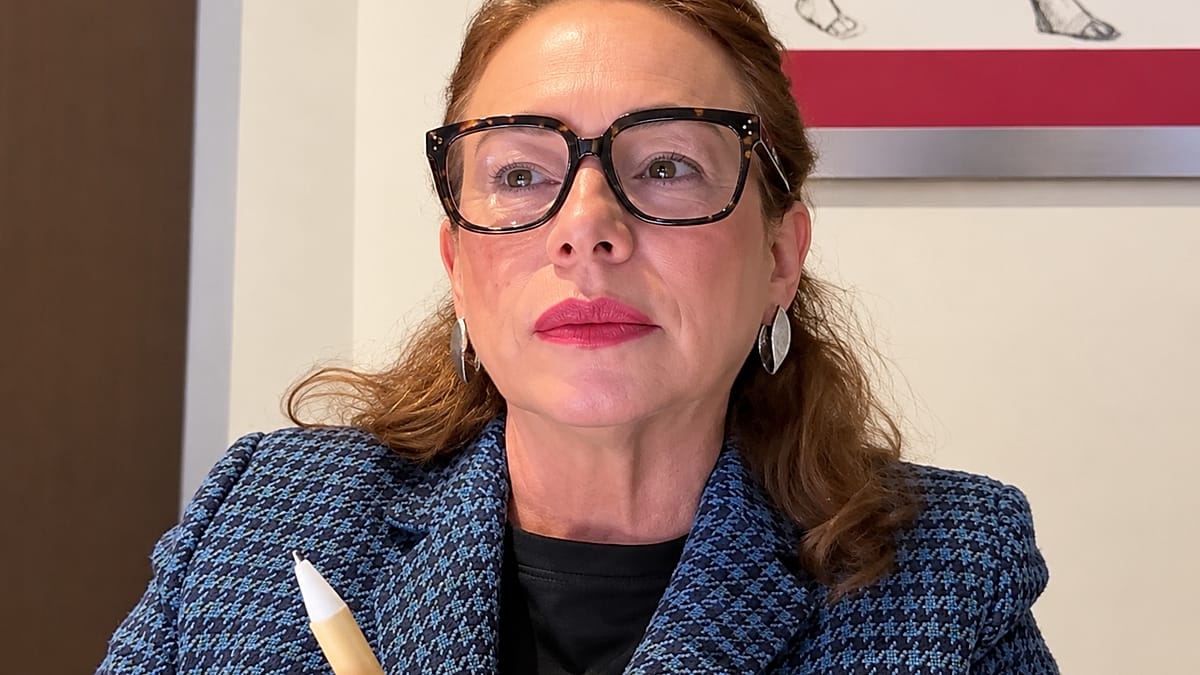
We were joined by María Fernanda Espinosa, a candidate for UN Secretary-General and former President of the UN General Assembly, and Sandrine Dixson-Declève, Honorary President of the Club of Rome and Executive Chair of Earth4All. Both expressed concern that governments are losing sight of the urgency of the climate crisis. "The window for action is closing," Espinosa warned. "We need leadership, not just rhetoric."
Dixson-Declève echoed that sentiment, calling for a fundamental shift in economic thinking. "We cannot continue to prioritise growth over sustainability," she said. "The decisions made in the next few days will have consequences for generations."
As the day drew to a close, the contrast between the grand declarations in Shenzhen and the gritty negotiations in Berlin and Ankara could not have been starker. Europe is struggling to assert its relevance in a world where the great powers seem intent on redrawing the map without it. Whether the continent can turn its collective weight into influence remains an open question.