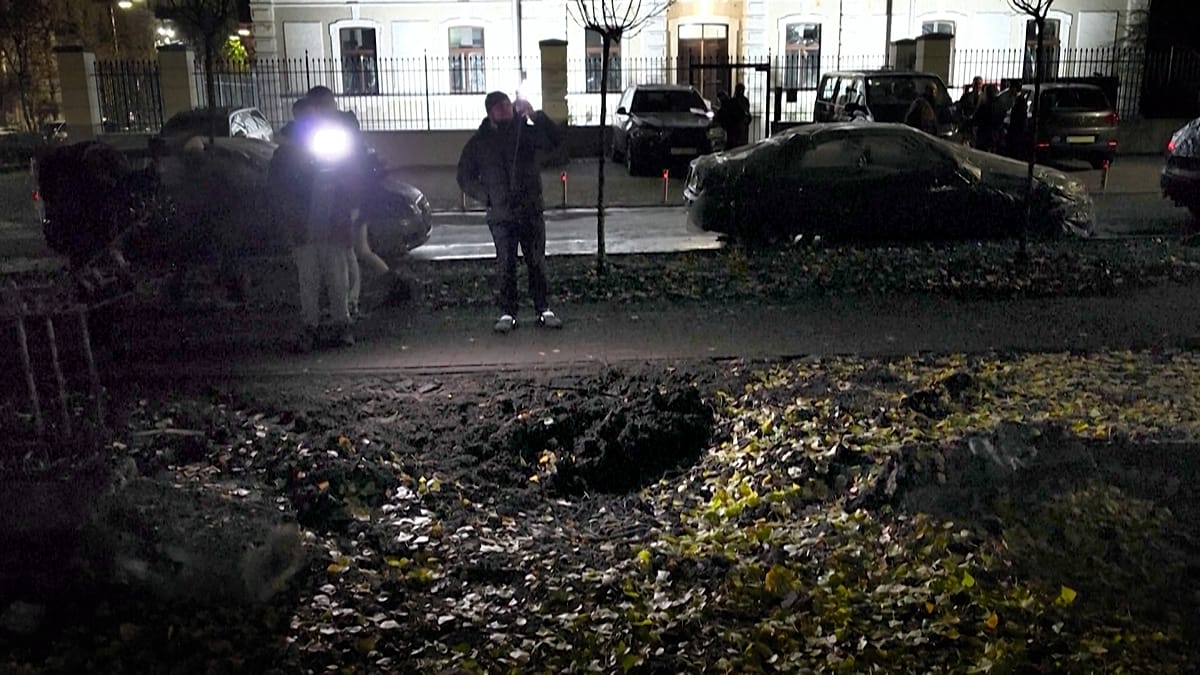
Russian strikes on the Ukrainian capital on Thursday damaged the Austrian and Dutch embassies, shattering windows and damaging vehicles in the diplomatic compounds. No embassy staff were injured, according to initial reports from both missions.
The attacks underscore the growing risk to foreign diplomatic presence in Kyiv as Moscow intensifies its aerial campaign against Ukrainian cities. The Austrian foreign ministry confirmed that its embassy building sustained damage, while the Dutch mission reported similar destruction, including broken glass and damaged cars parked within the compound.
Diplomatic missions in the crossfire
Embassies in Kyiv have repeatedly found themselves in the path of Russian missiles and drones since the full-scale invasion began in February 2022. Although most Western countries relocated their missions to Lviv or Poland in the early weeks of the war, many have since returned to the capital, resuming operations under constant air-raid alerts.
The Austrian and Dutch embassies are located in the Pechersk district, a central area that houses many government buildings and foreign missions. Thursday's strikes hit close to residential and administrative zones, raising concerns about the safety of both diplomats and local civilians.
Dutch Foreign Minister Caspar Veldkamp said in a statement that the safety of embassy personnel is the top priority and that the mission would continue its work despite the damage. Austrian officials echoed that sentiment, noting that the embassy remains operational and that staff are safe.
The incidents come as European leaders debate how to sustain support for Ukraine amid shifting political dynamics. French President Emmanuel Macron has recently urged NATO to revisit the question of Ukraine's membership, a move that has divided allies. Meanwhile, former US President Donald Trump has reportedly challenged Europe's aid commitments in a surprise call to allies, adding to uncertainty about the future of Western backing.
Poland has insisted that no peace deal can be reached without Europe's involvement, a stance that resonates in Brussels and other EU capitals. The damage to the Austrian and Dutch embassies is likely to reinforce calls for stronger air defense support for Ukraine, as well as for clearer security guarantees for diplomatic missions.
Thursday's strikes also hit other parts of Kyiv, with local authorities reporting damage to residential buildings and infrastructure. Emergency services were deployed to extinguish fires and rescue residents from rubble. The Ukrainian air force said it intercepted several missiles and drones, but some projectiles evaded defenses.
The attacks follow a pattern of Russian strikes that have targeted energy infrastructure and civilian areas across Ukraine, including a recent deadly strike on Odesa's historic centre that killed four people and wounded 13 others. In a separate incident, Ukrainian forces hit the Crimea bridge again, halting rail traffic for the third time this week.
European Union foreign policy chief Josep Borrell condemned the strikes, saying that targeting diplomatic premises is a violation of international law. He reiterated the EU's unwavering support for Ukraine and called for accountability for those responsible.
The Austrian and Dutch embassies have not announced any plans to evacuate, but security assessments are underway. Diplomatic sources suggest that missions may review their protocols, including the possibility of reducing staff or relocating temporarily if the threat level rises.
For now, the embassies remain open, a symbol of Europe's continued presence in Kyiv despite the dangers. As the war enters its third year, the resilience of diplomatic missions mirrors the broader European commitment to stand with Ukraine, even as the costs and risks grow.