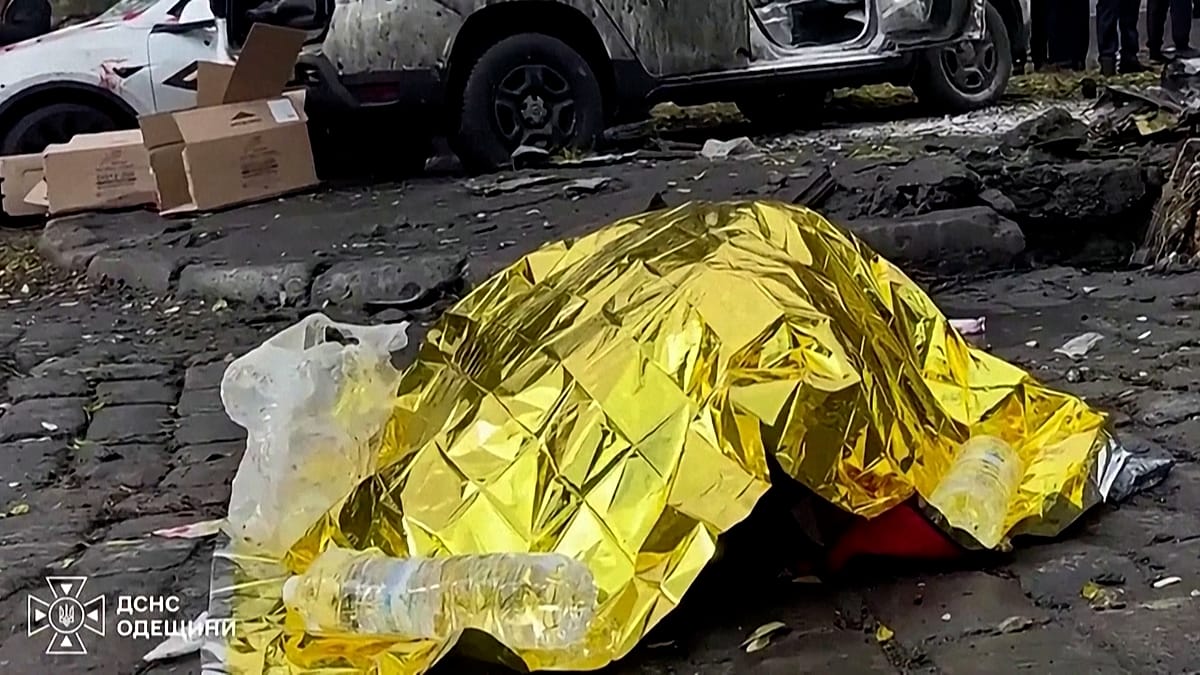
A Russian missile strike on the historic centre of Odesa killed four people and wounded at least 13 others on Wednesday, according to the city's military administration. The attack, which hit a UNESCO-listed district, is the latest in a series of strikes on Ukraine's southern port city, a frequent target since the full-scale invasion began.
Odesa's military administration confirmed the casualties in a statement, adding that rescue operations continued through the evening. Emergency crews searched through rubble for survivors, and local hospitals reported treating the wounded, some in serious condition. The exact number of casualties could rise, officials warned.
Historic district under fire
The strike targeted the city's historic core, an area recognised by UNESCO for its architectural and cultural significance. The district, known for its 19th-century boulevards and the iconic Potemkin Steps, has suffered repeated damage during the war. Wednesday's attack adds to a grim tally of destroyed landmarks and residential buildings.
Ukrainian President Volodymyr Zelenskyy condemned the strike, calling it "another act of terror against a city that has always been a symbol of European culture." He reiterated Ukraine's need for more air defence systems to protect civilian areas from Russian missiles.
The attack comes as European leaders debate new financial support for Ukraine. The European Commission has proposed a €45 billion loan backed by joint EU debt, a plan that has faced complex negotiations over costs and opt-outs. The EU's High Representative for Foreign Affairs, Josep Borrell, said the strike underscored the urgency of supporting Ukraine's defence.
"Every day of delay in delivering aid means more civilian deaths," Borrell said in a statement. "Russia's targeting of cultural heritage is a war crime."
Odesa's residents, accustomed to nightly air raid sirens, expressed a mix of grief and defiance. Local volunteer Olena Kovalenko told European Pulse: "They are trying to erase our identity, but they will not succeed. We will rebuild, as we always have."
The strike also reignited discussions about Ukraine's long-term security. With the war entering its fourth year, some European officials have voiced concerns about a potential "Yalta 2.0" scenario, where major powers might decide Ukraine's fate without its participation. Those fears have grown as diplomatic efforts intensify, including a proposed meeting between US President Donald Trump, Chinese leader Xi Jinping, and Russian President Vladimir Putin in Shenzhen.
Meanwhile, Ukraine continues to develop innovative ways to evacuate wounded soldiers from the front lines, including flying stretchers that can be operated by drones. The technology, tested in recent months, aims to reduce casualties among medics and stretcher-bearers.
Wednesday's attack on Odesa is a stark reminder of the human cost of the war. As the city mourns, its residents and international partners alike are left to ponder what further escalation might bring.