As Spain prepares for snap general elections on 29 November, Prime Minister Pedro Sánchez faces a high-stakes televised debate on Thursday against his conservative rival, Alberto Núñez Feijóo. With most opinion polls pointing to a possible swing to the right, both leaders are vying to consolidate their support in a contest that could reshape the country's political landscape.
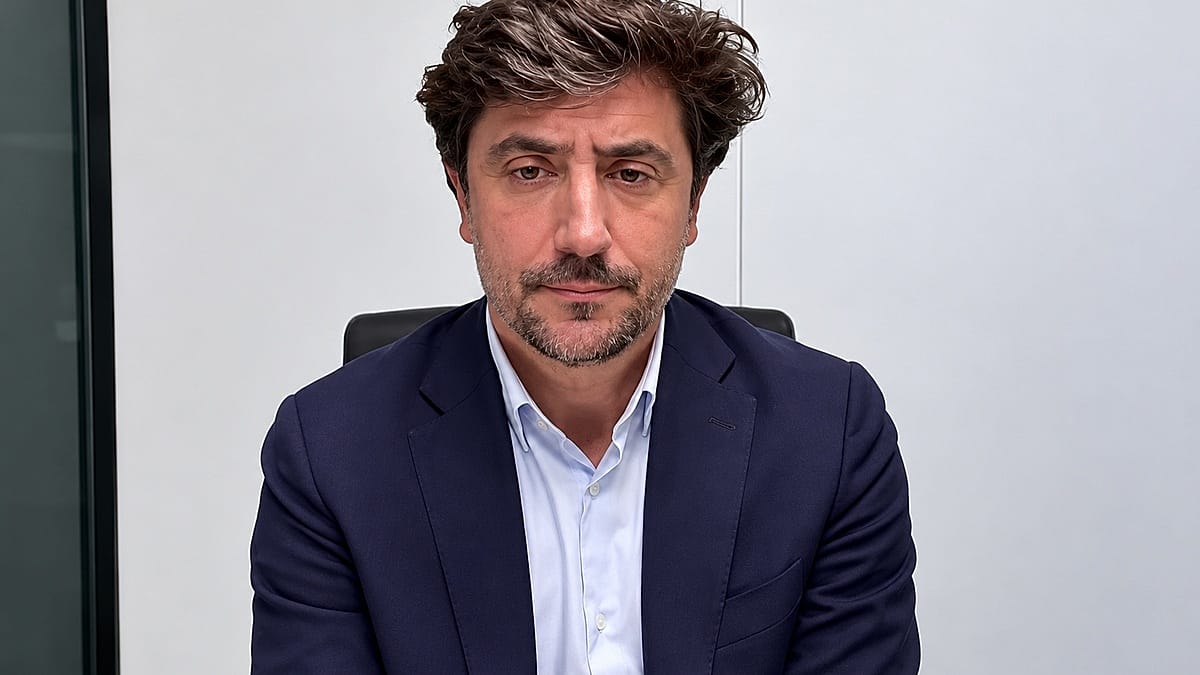
On this week's Europe Tonight, presenter Mared Gwyn Jones was joined by Antonio Roldán, a former member of parliament and professor at IE School of Politics, Economics and Global Affairs, to dissect the electoral dynamics. The discussion zeroed in on Sánchez's risky decision to call early elections, hoping to rally the fragmented left behind his candidacy—a strategy that has yet to show clear dividends in the polls.
A gamble on unity
Sánchez's calculation is straightforward: by forcing an early vote, he aims to consolidate the progressive vote before internal divisions can fester. However, Roldán noted that the left remains split, with parties like Podemos and Sumar struggling to present a unified front. "The prime minister is betting that the threat of a right-wing government will galvanise voters who might otherwise stay home," Roldán explained, "but that is a double-edged sword—if the left fails to coalesce, the gamble could backfire spectacularly."
The stakes are particularly high given the potential for a coalition between the conservative People's Party (PP) and the far-right Vox. Such an alliance would mark a significant shift in Spanish politics, echoing trends seen elsewhere in Europe where mainstream right parties have increasingly partnered with populist forces. Roldán warned that a PP-Vox government could roll back key social policies and strain Spain's relationship with the European Union, particularly on issues like gender equality and regional autonomy.
Feijóo, for his part, has sought to project an image of moderation, but his willingness to court Vox's support has raised eyebrows in Brussels. The European People's Party, to which the PP belongs, has traditionally kept the far right at arm's length, yet recent elections in Italy and Sweden have shown that such taboos are eroding. As Roldán put it, "Spain could become the next test case for whether the cordon sanitaire against the far right holds in Europe."
The debate on Thursday will be a crucial moment for both candidates. Sánchez will need to defend his record while convincing undecided voters that a vote for the left is not wasted. Feijóo, meanwhile, must balance his appeal to centrists with the need to keep Vox supporters on board. The outcome of this election will not only determine Spain's government but also send a signal about the resilience of progressive politics in Southern Europe.
Beyond the immediate electoral battle, the broader European context looms large. With the EU grappling with issues from enlargement to security, the stability of member states is under scrutiny. As Sánchez and Lula unite in Madrid against far-right rise, the Spanish prime minister has positioned himself as a counterweight to populist currents, but his domestic challenges may limit his influence on the continental stage.
Roldán also pointed to the potential ripple effects of a rightward shift in Spain. "If the PP and Vox form a government, it would embolden similar forces across Europe," he said. "We've already seen how cultural expressions of resistance can emerge in response, but political consequences are harder to predict."
As the campaign enters its final stretch, the question remains whether Sánchez's gamble will pay off. The polls suggest a tight race, with the right holding a slight edge. But as Roldán reminded viewers, "Elections are not won by polls alone; they are won by mobilisation. And the left's ability to mobilise will be the decisive factor."
For now, all eyes are on Thursday's debate, where the two men will clash over the future of Spain. The outcome will resonate far beyond Madrid, offering a glimpse into the continent's political trajectory.