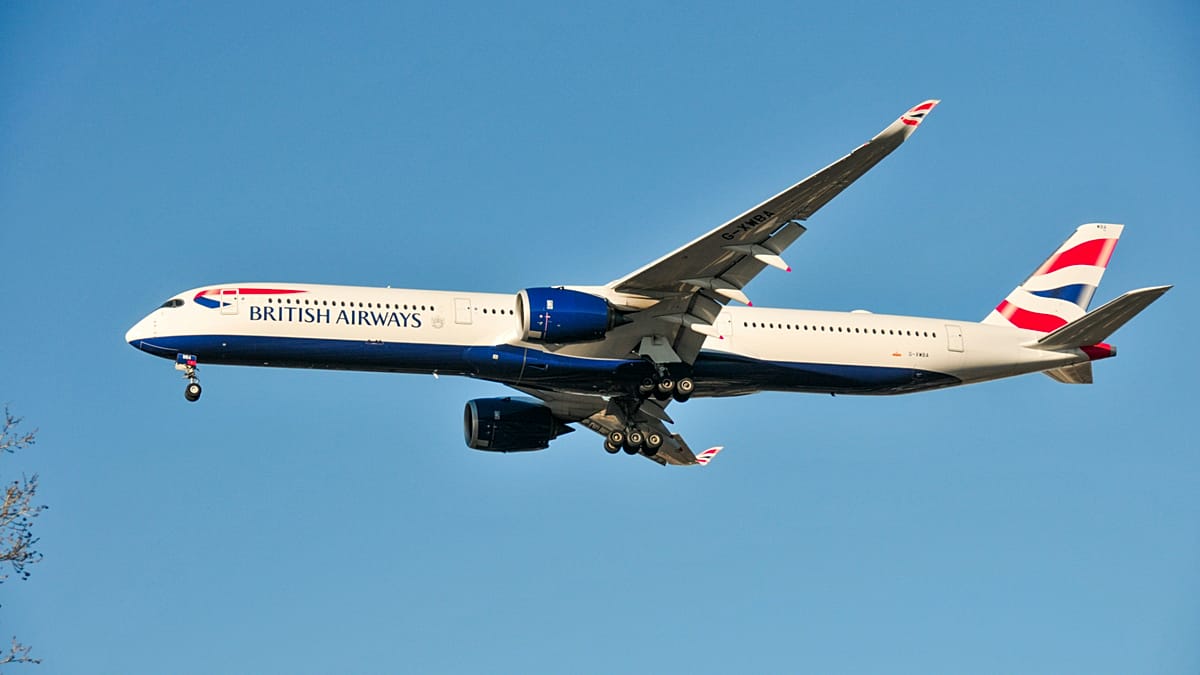
British Airways has created an unusual position for experienced pilots: moving aircraft between terminals at Chicago O'Hare International Airport without ever leaving the ground. The role, which pays between $90,000 and $100,000 per year, involves taxiing Boeing 777s and 787s from Terminal 5, where flights arrive, to Terminal 3, from which they depart.
Ben Schlappig, an aviation analyst and founder of One Mile at a Time, described the job as “as niche as pilot jobs get.” The airline is seeking captains or first officers with recent experience on the 777 or 787, a willingness to adopt British Airways standard operating procedures, and familiarity with O'Hare's layout.
Why a Ground-Only Pilot Role Exists
At most airports, ground crews use pushback tugs to move aircraft. At O'Hare, however, using the plane's own engines is both more efficient and safer for repositioning between terminals. British Airways has been hiring local pilots for this task since moving its departure operations to Terminal 3 in 2024.
The salary is lower than starting pay for first officers at major US carriers like American and United, which exceed $117,000 according to ATP Flight School data. Schlappig suggested the role might appeal to recently retired pilots or those who no longer pass medical exams but still want to stay connected to aviation.
British Airways currently operates daily direct flights from London Heathrow to Chicago and is expanding its long-haul network. By winter 2026, it will increase flights to New Orleans to four per week, make Baltimore journeys daily, and offer 12 weekly flights to Houston. The carrier aims to grow its long-haul network by 9% by the end of this year, adding new destinations including Melbourne, Australia, and Colombo, Sri Lanka.
This niche role highlights broader trends in aviation, such as the need for operational flexibility at congested hubs. For European travelers, it underscores how airlines adapt to infrastructure constraints while maintaining service. As the industry faces pressures from rising jet fuel costs and potential airline collapses, such innovations may become more common.
While the job may seem peculiar, it reflects a pragmatic solution to a logistical challenge. For pilots who prefer staying close to the ground, it offers a steady income without the stress of takeoffs and landings.