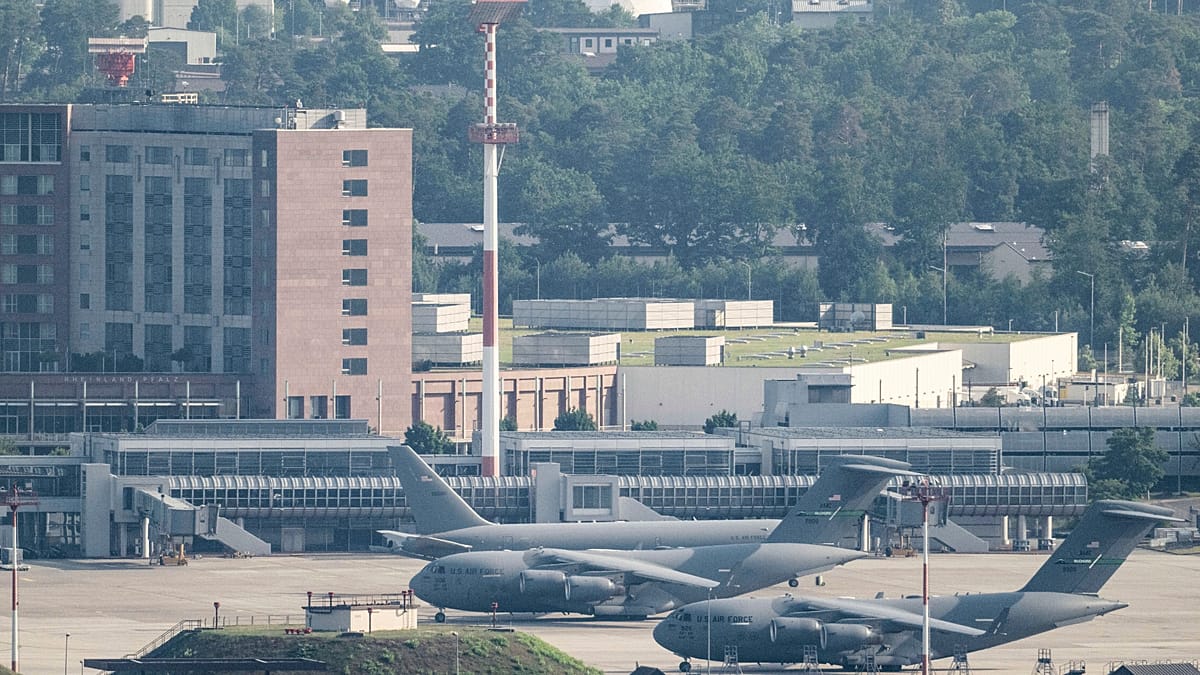
The Pentagon has announced plans to withdraw approximately 5,000 US troops from Germany, a move that has reignited debate over the future of American military presence in Europe. The reduction, which amounts to roughly 14 percent of the 36,000 US service members currently stationed in Germany, includes a brigade combat team and a long-range fires battalion originally slated for deployment under the Biden administration.
Germany hosts several key US military installations, including Ramstein Air Base, command headquarters, and a medical centre that treated casualties from conflicts in Afghanistan and Iraq. Across Europe, an estimated 80,000 to 100,000 US troops are stationed, depending on rotations, forming the backbone of NATO's forward presence.
Pentagon spokesperson Sean Parnell said the decision followed a "thorough review of the Department's force posture in Europe and is in recognition of theatre requirements and conditions on the ground." The announcement came shortly after German Chancellor Friedrich Merz criticised the Trump administration's actions in Iran, though officials in Berlin have downplayed any direct link.
President Donald Trump, who first proposed a similar withdrawal of 9,500 troops from Germany at the end of his first term in 2020, doubled down on Saturday, telling reporters in Florida that his administration would be "cutting a lot further" than the 5,000 already mentioned. That earlier plan was blocked by Congress and ultimately halted when President Joe Biden took office in 2021.
Legal Hurdles and Strategic Constraints
Analysts point to Section 1249 of the National Defense Authorisation Act for 2026, which restricts the Pentagon from using its budget to reduce troop levels in Europe to below 76,000 for more than 45 days. To go further, the administration must certify that the cuts serve US national security interests, consult NATO allies beforehand, and submit a detailed report to Congress. A waiting period also applies, meaning large reductions cannot take effect immediately.
However, the law does not outright prevent troop withdrawals. It merely imposes procedural hurdles that make such moves more difficult. Liana Fix of the Council on Foreign Relations notes that US forces in Germany are embedded in global command structures, making relocation logistically complex, costly, and potentially damaging to military readiness.
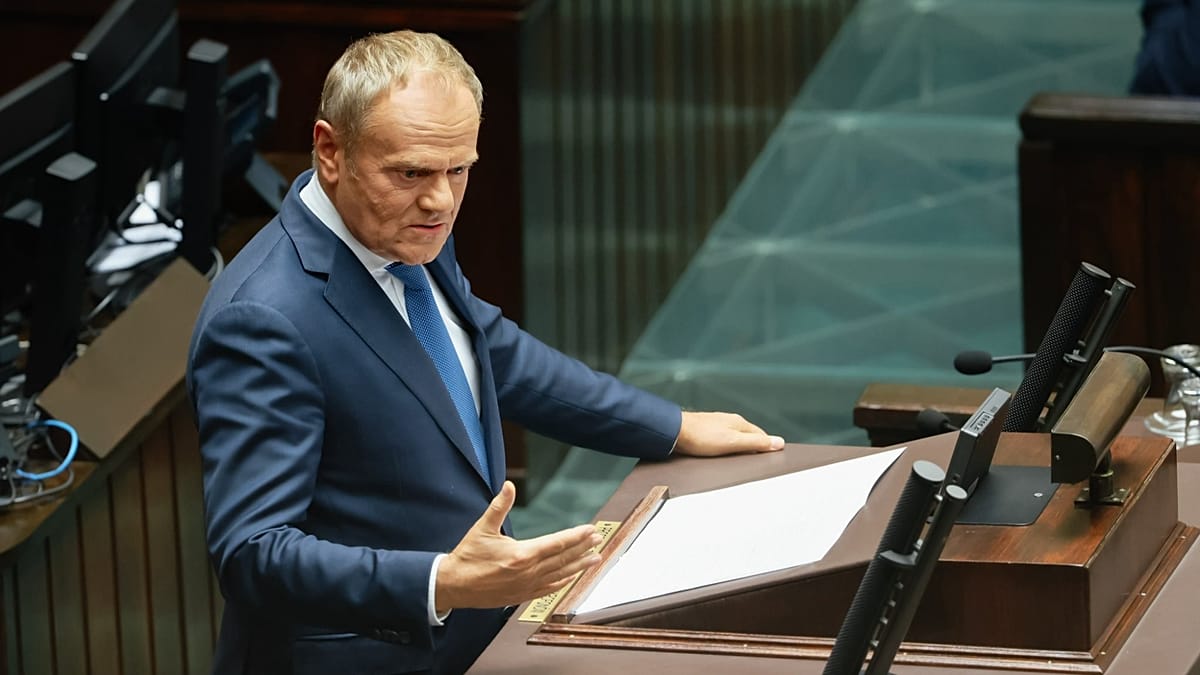
On the German side, officials have projected calm. Defence Minister Boris Pistorius described the withdrawal as "foreseeable" and urged Europe to take greater responsibility for its own security. Foreign Minister Johann Wadephul and Chancellor Merz echoed this sentiment, with Merz telling a television interview on Sunday: "They are constantly redeploying their troop units worldwide, and we are affected by that too."
The announcement has deepened the transatlantic rift, coming amid broader tensions over trade and security. Trump has threatened 25 percent tariffs on European auto imports, prompting warnings from European Commission President Ursula von der Leyen that the EU is ready to retaliate. For more on this, see Von der Leyen Warns Trump: EU Ready for Retaliation Over Auto Tariffs.
European leaders are also grappling with the strategic implications of a reduced US military footprint. The withdrawal from Germany follows a pattern of unilateral moves by Washington that have unsettled allies. As Merz and Trump Clash Over US Troop Withdrawal as European Leaders Convene in Yerevan highlights, the issue is now a central point of contention in transatlantic diplomacy.
Beyond legal limits, the practical challenges of relocating troops are significant. US bases in Germany serve as hubs for logistics, intelligence, and command operations that extend across Europe and beyond. Moving these assets would require years of planning and billions of dollars, with no guarantee that host nations would welcome the additional forces.
For now, the 5,000-troop reduction appears to be a first step. Whether Trump can push through deeper cuts will depend on his ability to navigate the legal and political obstacles, as well as the willingness of European allies to fill the gap. As Trump Vows Deeper US Troop Cuts in Germany, Escalating Transatlantic Rift reports, the president's rhetoric suggests he is prepared to test the limits of US law and alliance solidarity.