European Commission President Ursula von der Leyen has forcefully pushed back against Donald Trump's latest threat to raise tariffs on EU-made cars, insisting that a binding transatlantic trade agreement prevents the United States from unilaterally increasing duties.
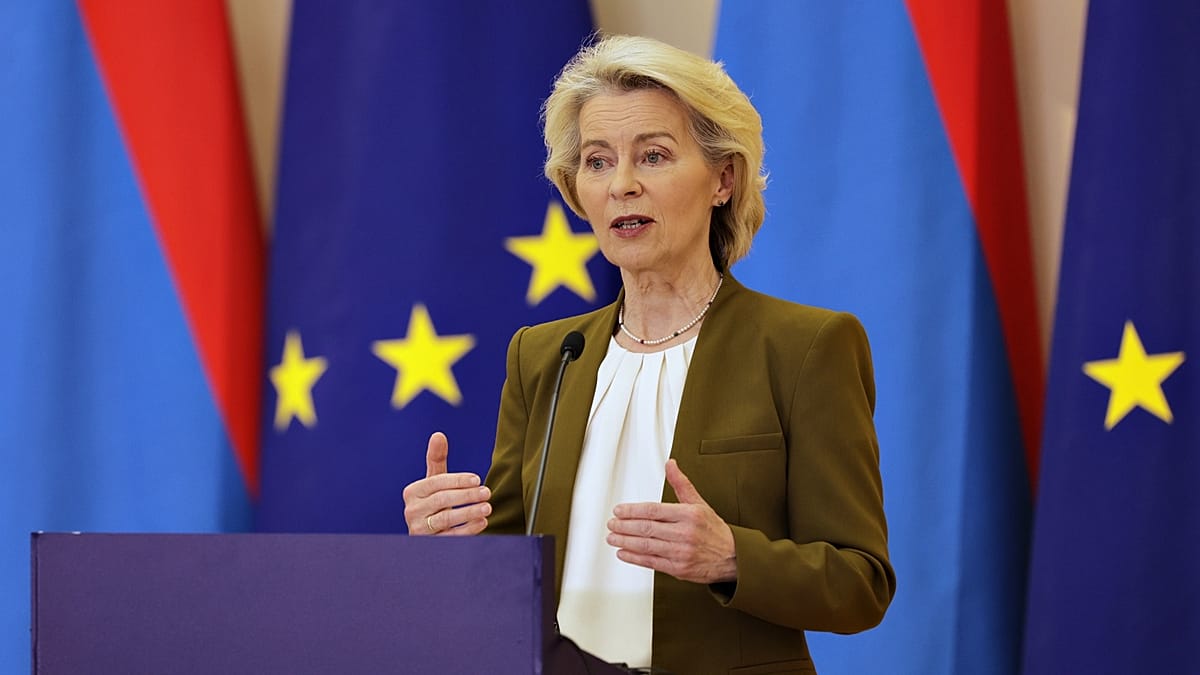
Speaking on Tuesday in Yerevan, Armenia, alongside European Council President António Costa, von der Leyen declared: "A deal is a deal, and we have a deal. And the essence of this deal is prosperity, common rules and reliability." She added that the European Union wants "mutual gain, cooperation and reliability" from the agreement, but is "prepared for every scenario" — a clear hint at potential retaliatory measures.
The US president shocked European capitals last week when he threatened to raise tariffs on EU-made cars from 15% to 25%, alleging non-compliance by the bloc. The threat came amid heightened transatlantic tensions, including Trump's push to seize Greenland from Denmark and his decision to withdraw US troops from Germany.
What the EU-US Trade Deal Actually Says
According to the joint statement published by Brussels and Washington last year, the US committed to lowering tariffs on EU-made cars once the European Parliament passes implementing legislation — not after its final approval. Crucially, the US also agreed to an all-inclusive cap of 15% on EU goods, which precludes the accumulation of additional duties.
Von der Leyen stressed that the EU is "in the final stages" of passing the legislation needed to eliminate tariffs on a wide range of American products. The bill is currently being negotiated in the European Parliament, where it has faced delays partly due to Trump's aggressive stance on Greenland. MEPs have amended the original text to strengthen safeguards.
"The alignment with the agreed ceiling is still outstanding," von der Leyen said, demanding respect for the "different democratic processes" in the EU and the US.
António Costa, standing beside her, said the 27 member states "fully" support the Commission and its president in handling the dispute.
Diplomatic Efforts and German Factor
Since Trump posted his tariff threat on Friday, Brussels has been seeking "clarity" from Washington about the reasoning behind it. Maroš Šefčovič, the European Commissioner for Trade, is expected to meet with Jamieson Lee Greer, the US Trade Representative, on Tuesday on the sidelines of a G7 meeting in Paris to discuss the matter.
Trump's announcement has been linked to comments by German Chancellor Friedrich Merz, who said Iran had "humiliated" the US in the war. Germany is Europe's largest carmaker and heavily dependent on exports, making it particularly vulnerable to any tariff hike. The dispute has also fueled broader concerns about the future of transatlantic trade relations, as EU and US trade chiefs meet amid the tariff threat.
Some German MEPs have described Trump's move as a political attack on Berlin, arguing that it targets Europe's industrial heartland. The standoff comes as European leaders grapple with a series of US policy shifts, including Trump's vow to deepen US troop cuts in Germany, which has further strained the alliance.
Von der Leyen's firm stance signals that the EU will not accept a unilateral rewriting of the trade deal. Whether the dispute escalates into a full-blown trade war now depends on the outcome of the Paris talks — and on whether Trump is willing to honour the agreement he signed.