A coalition of seven European Union member states has cautioned the European Commission that its push to cut red tape through so-called 'omnibus' legislative packages may inadvertently delay the very projects it aims to accelerate. In a letter addressed to Economy Commissioner Valdis Dombrovskis, the governments argue that the current regulatory framework suffers from poor coherence rather than excessive rules, and that hasty simplification could create new bottlenecks.
The letter, led by Ireland and backed by Austria, Greece, Lithuania, Poland, Slovakia, and Slovenia, stresses that clearer and more consistent EU permitting and environmental laws are essential to reduce costs, build more homes, and maintain global competitiveness. The intervention comes as Ireland grapples with a severe housing crisis marked by soaring rents, widespread homelessness, and chronic supply shortages. Irish Housing Minister James Browne recently urged developers of cost-rental schemes facing financial difficulties to engage with his department, following the collapse of a north Dublin project deemed economically unviable.
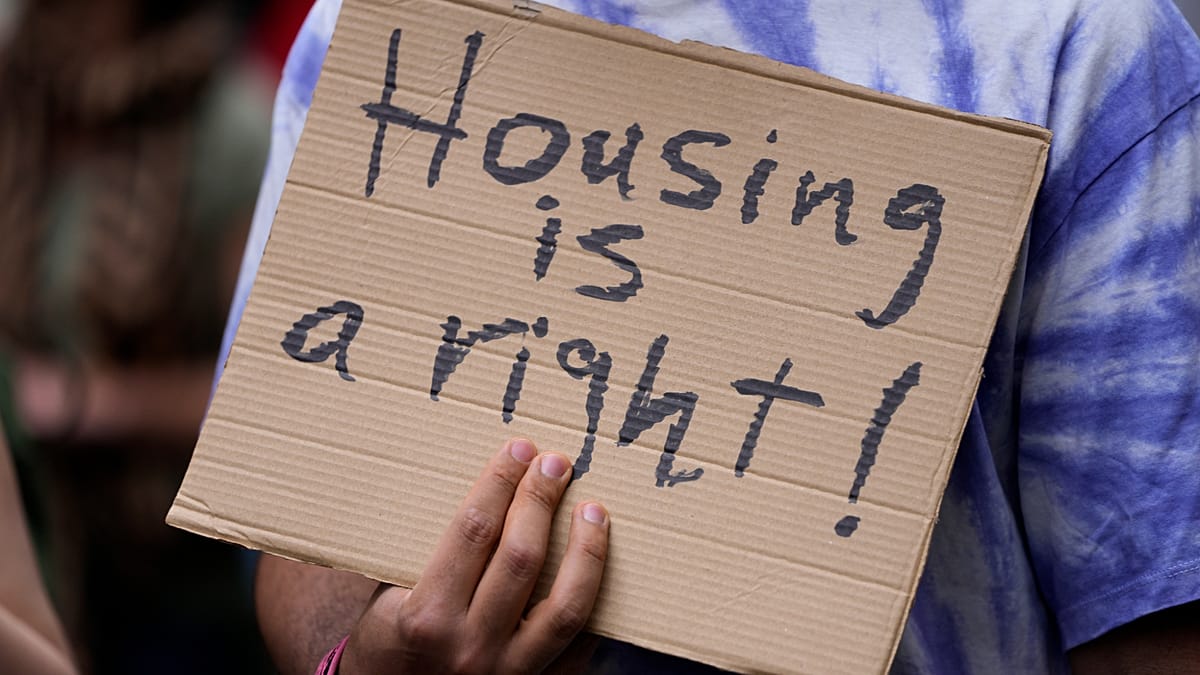
According to EU data, house prices across the bloc rose by 53% between 2010 and 2024, while rents increased by 25%. The housing crisis tests Europe's social stability as policymakers search for effective solutions. The seven countries argue that the Commission's omnibus packages—fast-tracked bundles of regulatory simplifications—may not address the root causes of slow project approvals. Instead, they warn that new rules could conflict with existing environmental legislation, leaving national authorities uncertain how to apply them in practice.
Competitiveness vs. Coherence
Since the 2024 European elections and the formation of a new Commission under Ursula von der Leyen, EU policymaking has shifted markedly from regulation toward deregulation, driven by concerns over weak economic growth, industrial competition from the United States and China, and geopolitical instability linked to the war in the Middle East. The omnibus packages are designed to make Europe more investment-friendly and speed up approvals for housing, renewable energy, transport, and digital infrastructure.
Commissioner Dombrovskis has described the initiative as a necessary 'deep clean' of EU legislation. Speaking at the Delphi Economic Forum in Greece, he said: 'We set ambitious targets to reduce overall administrative burden by 25% for all businesses, by 35% for SMEs, that would imply cuts in terms of annual administrative costs of some €37.5 billion.' He called competitiveness an 'overarching priority' for the Commission.
Yet critics argue that the deregulation drive risks chipping away at key pillars of the European Green Deal. Sonja Leyvraz, policy officer for buildings and circular economy at the European Environmental Bureau, warned: 'Europeans need housing and energy laws that are put into work—not fewer protections. Today's housing and energy crises stem from a poorly regulated market that prioritises profit over affordability and sustainability.'
The tension between streamlining approvals and maintaining environmental safeguards is particularly acute in the housing sector. While the Commission aims to accelerate permitting for critical infrastructure, member states like Ireland are struggling to deliver affordable homes. Spain commits €7 billion to public housing in a parallel effort to address the crisis, highlighting the varied national approaches across the continent.
The seven countries behind the letter insist they support cutting bureaucracy, but they want the Commission to ensure that new rules align with existing environmental directives rather than contradict them. Without better coordination, they warn, the EU risks undermining both its green transition and its economic competitiveness on the global stage. The debate underscores the challenge of balancing deregulation with the need for robust protections in a continent of twenty-seven distinct member states, each with its own housing and infrastructure priorities.