Europe's housing crisis has moved from a looming threat to a daily reality for millions of renters and low-income households. Over the past decade, property prices have soared while wages have barely budged, leaving families across the continent struggling to afford basic shelter. The issue is no longer just an economic inconvenience; it is becoming a test of Europe's social stability and its economic model.
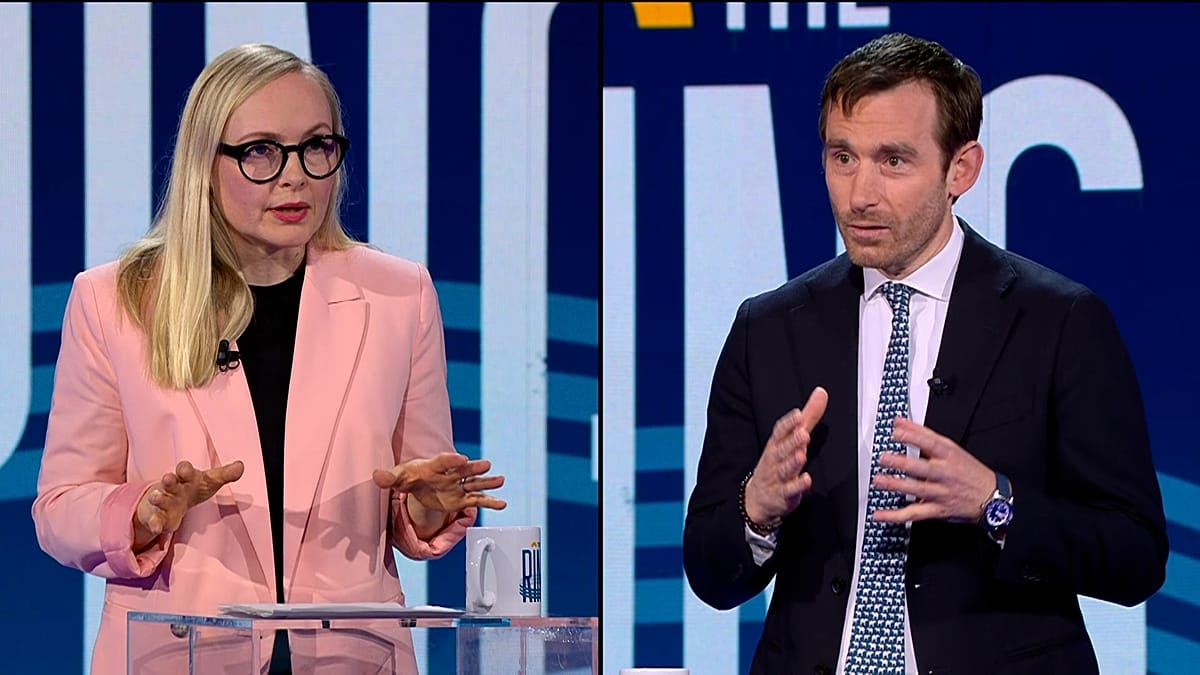
In the latest edition of The Ring, broadcast from the European Parliament in Brussels, two MEPs went head-to-head on how to address the crisis. Dirk Gotink (EPP, Netherlands), vice-chair of the Special Committee on the Housing Crisis in the EU, faced off against Maria Ohisalo (Greens, Finland), a former housing minister. Their debate highlighted deep divisions over who should pay for solutions and how far the EU should intervene.
Southern Europe Feels the Squeeze
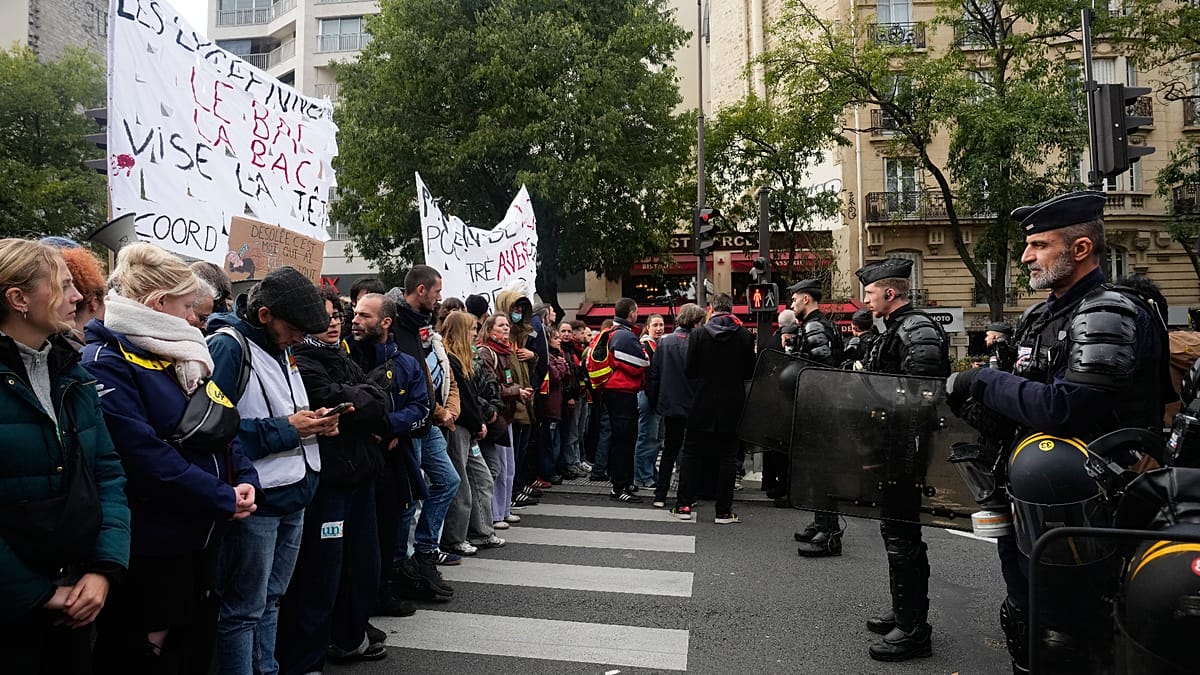
The pressure is especially acute in Southern Europe, where rising rents, overtourism, and the proliferation of short-term rentals in cities like Barcelona, Lisbon, and Rome have pushed local residents out. Protests have erupted in several countries, with citizens demanding affordable housing and stricter regulation of platforms like Airbnb. The crisis is fueling political backlash, as governments struggle to balance tourism revenue with the needs of their own populations.
Meanwhile, infrastructure gaps persist. In Germany and the Netherlands, construction targets are repeatedly missed, and waiting lists for social housing stretch to a decade or more. The EU has pushed for more investment and simpler rules to boost affordable housing supply, but member states remain divided on how far to go. Housing is not an exclusive competence of the Union, but as Ohisalo noted, it is a shared crisis affecting many people across Europe.
Energy prices have added another layer of complexity. Skyrocketing costs make it much more expensive to build homes, complicating efforts to ramp up construction. This is particularly challenging as the EU also grapples with broader energy security issues, such as those discussed in the context of the AccelerateEU Plan, which experts argue must shift from crisis response to structural reform.
Demographic Pressures and Youth Exodus
Demographic trends are exacerbating the crisis. Young people across Europe are delaying leaving their parents' homes, with the average age of departure now at 26, and over 30 in Southern Europe. This is not just a cultural shift; it reflects the impossibility of finding affordable housing in many urban centers. The phenomenon is straining family dynamics and delaying life milestones such as marriage and starting a family.
Gotink argued for market-based solutions, emphasizing the need to reduce regulatory burdens and incentivize private investment. Ohisalo countered that public intervention is essential, pointing to Finland's success in reducing homelessness through a Housing First approach. The clash underscores a fundamental disagreement: should the EU treat housing as a commodity or a right?
The crisis is also linked to broader economic challenges. As the EU unblocks loans for Ukraine and addresses energy crises, the housing issue remains a persistent drag on social cohesion. The World Urban Forum (WUF13) is set to tackle these very challenges, but progress on the ground remains slow.
Both MEPs agreed on one thing: the crisis will not resolve itself. Without coordinated action, the gap between those who can afford a home and those who cannot will continue to widen, threatening the very fabric of European society. The debate in The Ring may not have produced a consensus, but it highlighted the urgency of finding one.