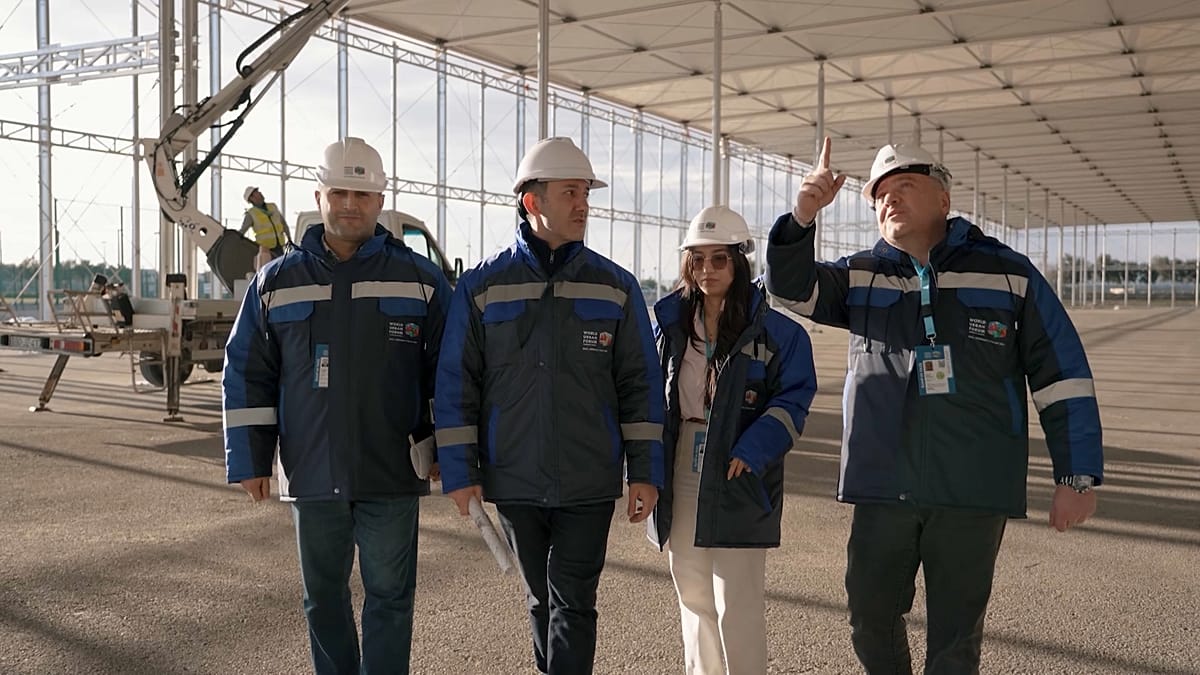
As cities across Europe and the globe swell with new residents, the 13th World Urban Forum (WUF13) is taking shape as a critical platform for dialogue on sustainable urbanisation. Organisers are emphasising the need for international cooperation and knowledge exchange to tackle shared challenges, from housing shortages to climate adaptation.
National forums held in the run-up to WUF13 have helped crystallise priorities, reinforcing commitments at both political and local levels. Experts argue that no single country holds all the answers, making cross-border partnerships essential. The forum will draw on experiences from cities such as Katowice, which is set to host the 2026 European Economic Congress, and Venice, which is grappling with rising seas.
Housing and Climate Resilience at the Forefront
Housing affordability remains a pressing issue in many European capitals, from Berlin to Madrid. WUF13 will explore innovative financing models and regulatory reforms to address the crisis. The forum also aims to highlight climate resilience strategies, particularly for coastal cities like Venice, which is testing barriers and considering relocation options as sea levels rise.
Urban green spaces are another focus, with initiatives such as the Parisian garden that serves as a refuge for hedgehogs demonstrating how biodiversity can thrive in dense environments. These projects offer scalable lessons for other European cities facing similar ecological pressures.
Smart Cities and Post-Conflict Reconstruction
Technology will play a prominent role in discussions, with sessions on smart city development and AI-powered transport solutions. Innovations like the electric autocycle unveiled by will.i.am for urban commuters and China's saucer-shaped eVTOL tested in Wuhan will be examined for their potential to reduce congestion and emissions in European cities.
Post-conflict reconstruction is another key theme, drawing on lessons from cities in the Balkans and Ukraine. The forum will share best practices for rebuilding infrastructure while fostering social cohesion and economic recovery.
WUF13 is expected to produce a set of actionable recommendations for national governments, mayors, and urban planners. The event underscores the growing recognition that urban challenges require collective solutions, and that Europe's diverse cities—from the historic centres of Prague to the industrial hubs of the Ruhr—can learn from each other's successes and setbacks.
As the forum approaches, organisers are urging stakeholders to engage with the preparatory process. The outcomes will shape urban policy for years to come, influencing everything from housing markets to climate adaptation plans across the continent.