The United Nations is actively developing options to sustain a presence in Lebanon once the mandate for its UNIFIL peacekeeping force expires at the end of 2027, a senior UN official confirmed on Thursday.
Jean-Pierre Lacroix, the UN Under-Secretary-General for Peace Operations, told reporters in Geneva that discussions are underway with the Lebanese government, which has made clear its desire for a continued UN footprint. "In terms of the post-UNIFIL, we're currently in the process of working on these options," Lacroix said, adding that Beirut is "very clear that they would want to keep a UN presence."
A Force Caught in the Crossfire
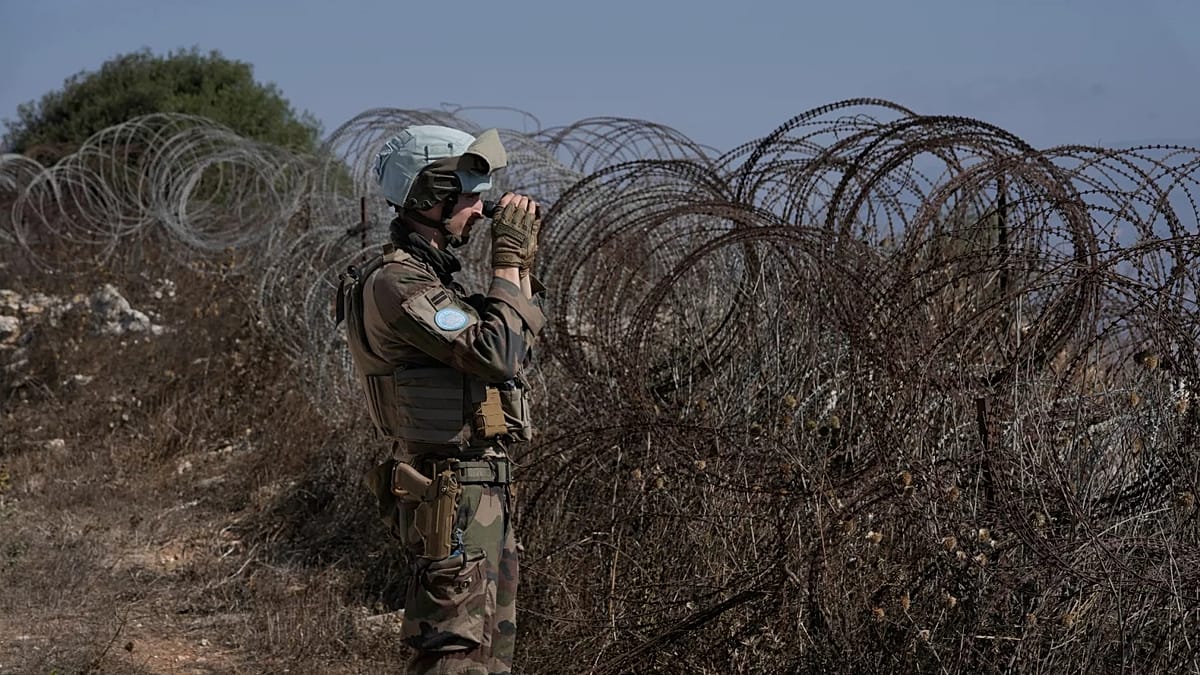
UNIFIL — the United Nations Interim Force in Lebanon — has been deployed since 1978 to monitor the border between Israel and Lebanon and support stability. Its roughly 8,200 troops from 47 countries have long operated in a volatile environment, but recent weeks have been particularly deadly. Five peacekeepers have been killed: two French nationals and three Indonesians, as the force finds itself caught between Israeli military operations and Hezbollah fighters.
The current escalation began on 2 March, when Iran-backed Hezbollah launched rockets into Israel, ostensibly in retaliation for the killing of Iranian Supreme Leader Ayatollah Ali Khamenei in US-Israeli airstrikes. The conflict has since drawn in Lebanon, with over 2,400 people killed on Lebanese soil.
Lacroix stressed that any future uniformed UN presence in southern Lebanon would require a decision by the Security Council in New York. The Council has requested options for a post-UNIFIL arrangement, and Lacroix noted that recommendations must be submitted before 1 June. While he declined to detail the specific proposals, he indicated that any successor mission would likely be smaller than the current force.
Ceasefire Holds, but Challenges Persist
A 10-day ceasefire between Israel and Hezbollah has been in effect since Friday, providing a fragile pause in hostilities. On the ground, Lacroix reported "a relative ceasefire for the past few days, but nonetheless a lull" that has allowed UNIFIL to intensify its activities, including humanitarian support for civilian populations.
UNIFIL's primary mandate includes supporting humanitarian work and ensuring its area of operations is not used for hostile activities. Lacroix said the force is "ready to do more to support the Lebanese army and the Lebanese government in any actions they may undertake to advance the disarmament process of armed groups." However, he acknowledged that this would be difficult due to "resistance from Hezbollah" and the "limitations of the Lebanese army's capabilities."
The UN official emphasized that a "durable solution" must address the security needs of both Lebanon and Israel. Meanwhile, Israel and Lebanon are scheduled to hold a second round of talks in Washington on Thursday, during which Beirut is expected to request a one-month extension of the ceasefire, according to a Lebanese official.
The UNIFIL mandate, renewed annually, is currently set to expire on 31 December 2027. Under pressure from the United States and Israel, the Security Council in August 2026 decided to schedule its withdrawal for that date — a move some observers considered premature given the ongoing instability.
As the UN explores its options, the future of international peacekeeping in southern Lebanon remains uncertain, with the delicate balance between security, sovereignty, and regional politics hanging in the balance.