As the US-Israel conflict in Iran continues to roil fossil fuel markets, European households and businesses face a second major energy price surge in four years. The European Commission responded on 22 April with AccelerateEU, a five-pillar plan designed to deliver immediate relief and accelerate the shift to clean, homegrown energy. But green energy organisations caution that the initiative must go beyond crisis management and embed lasting structural reforms.
“The latest fossil fuel price spike is a painful reminder that fossil fuel dependency is a strategic vulnerability for Europe, and the fundamental reason for its high energy prices,” said Chris Rosslowe, an analyst at the energy think tank Ember. “Clean power paired with electrification is the only way to permanently protect against sudden gas and power price hikes.”
What AccelerateEU Proposes
The plan includes five pillars: enhanced coordination among EU member states on gas storage and oil stock releases; consumer protection measures such as energy vouchers and reduced electricity excise duties; accelerated deployment of renewables and electrification targets; grid modernisation to remove bottlenecks for wind and solar; and mobilising private and public capital for the clean energy transition.
Notably, the Commission proposes an EU-wide electrification target and calls for scaling storage capacity to 200 GW by 2030. Insufficient storage remains a critical bottleneck, forcing countries like Germany and Spain to curtail renewable output during peak production. Dries Acke, Deputy CEO of SolarPower Europe, welcomed the target but noted: “The Commission fails to propose concrete measures to get to these levels of battery storage and other non-fossil flexibility.”
Grid congestion is another major hurdle. Outdated networks across the continent—from the Polish border to the Italian peninsula—delay the integration of new solar and wind farms. The plan aims to speed up negotiations on the EU Grids Package and ensure full implementation of existing rules.
From Temporary Fixes to Systemic Change
“The Commission rightly recognises that Europe’s exposure to energy price shocks is not the result of a temporary failure, but rather a structural one,” said Caterina Molinari, Senior Policy Advisor Finance at ECCO. “Turning short-term crisis measures into lasting reforms requires rebalancing taxation and levies to lower the cost of electricity and accelerate electrification.”
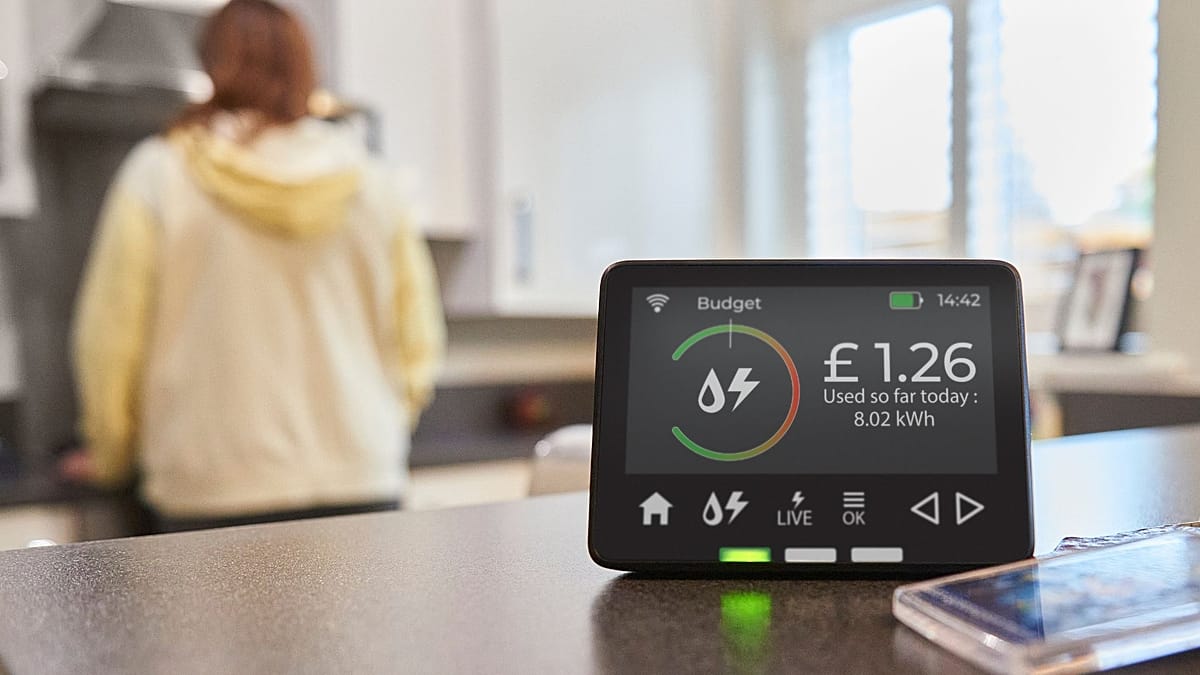
Louise Sunderland, Europe director of the Regulatory Assistance Project, called the proposal to reduce network and tax elements of electricity bills—which account for over 50% of household costs on average across the EU—a “quick acting step in the right direction.” Yet she warned: “These reforms will only be as effective as their implementation, and many governments have not yet made use of their existing ability to reduce taxation on electricity.”
The plan also seeks to scale up private capital, but experts argue that without binding targets and clear regulatory signals, investment will remain hesitant. The EU’s late start in metal recycling has already threatened energy transition goals, highlighting the need for consistent policy frameworks.
Meanwhile, geopolitical tensions continue to drive volatility. The EU Energy Chief has warned of prolonged price hikes from the Middle East conflict, underscoring the urgency of reducing fossil fuel imports. Diversification efforts, such as the TRIPP Corridor talks, offer alternative supply routes but cannot replace the structural shift to clean energy.
For the plan to succeed, member states must move beyond emergency measures. As Molinari put it: “The real test is whether Brussels and national capitals can turn this moment of crisis into a catalyst for permanent change—rethinking taxation, modernising grids, and investing in storage at scale.”