The government of Kazakhstan has launched an ambitious plan to significantly enlarge its system of protected natural areas, a move set to transform the Central Asian nation's landscape for conservation and adventure travel. By 2035, the country intends to add approximately 20,000 square kilometres of newly protected land, an area larger than Slovenia. This expansion will bring Kazakhstan's total protected territory to around 332,000 square kilometres—surpassing the total land area of nations like Italy or Poland.
A Strategy for Biodiversity and Sustainable Growth
This initiative is not an isolated project but the core of a formal national policy titled "The Concept for the Conservation and Sustainable Use of Biological Diversity for 2026-2035." The strategy represents a substantial commitment to restoring ecological balance and leveraging natural heritage for sustainable development. It targets a diverse range of ecosystems, from the shifting dunes of the Aral Karakum desert to the alpine peaks of the Tian Shan and the dense Karkaraly forests.
Central to the plan is the conservation of Kazakhstan's remarkable, yet vulnerable, wildlife. The country is home to over 6,000 plant species and about 230 animal species, including critically endangered populations like the snow leopard, the Bukhara deer, and the goitered gazelle. The expansion of protected habitats is a direct effort to shield these species from extinction.
Parallel to conservation, the strategy includes a major reforestation effort, with goals to plant or restore some 8,000 square kilometres of woodland. A notable example is the ongoing planting of saxaul shrubs in the dried bed of the Aral Sea, a project aimed at stabilizing the soil and mitigating further environmental damage in a region grappling with one of the planet's most severe ecological crises. This restoration work could pave the way for sensitive ecotourism in the Aral Sea basin.
Forging a New Path for Adventure Tourism
For travellers, these measures will translate into tangible new opportunities. Kazakhstan, a country famed for its nomadic heritage and eagle hunting traditions, has remained under the radar for many nature enthusiasts. The expansion is designed to change that by systematically developing tourism infrastructure within and around the new protected zones.
Plans call for the construction of visitor centres, an extended network of marked hiking and walking trails, and more glamping facilities, particularly in popular regions like the Ile-Alatau National Park and the area around the picturesque Kolsai Lakes. There will also be a renewed focus on promoting experiences rooted in local culture, such as horseback riding expeditions and stays in remote eco-villages, supported by a new cadre of trained tourist guides.
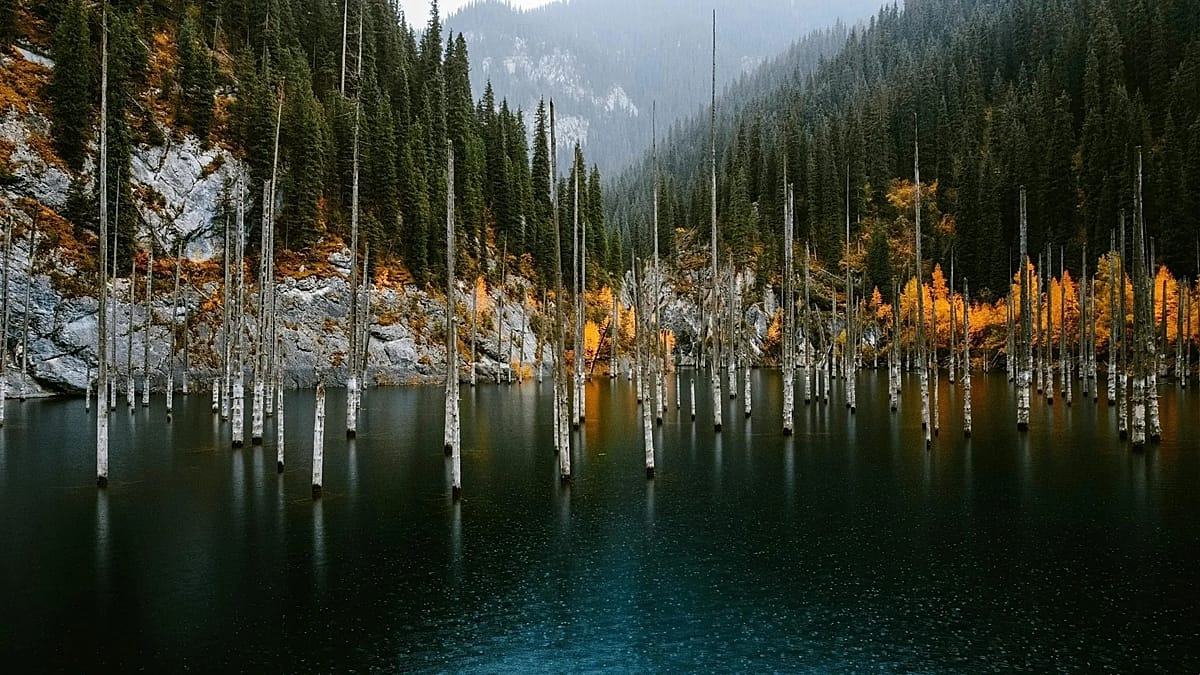
The potential for specialised tourism is vast. The protected landscapes, ranging from the vibrant red sandstone of Charyn Canyon to the surreal submerged forest of Kaindy Lake and the vast steppe, are poised to become hubs for birdwatching, wildlife tracking, and long-distance trekking. This aligns with a growing global demand for immersive, low-impact travel experiences in untouched environments.
Kazakhstan's push to enhance its natural capital dovetails with its broader economic ambitions, such as its goal to become Central Asia's food processing powerhouse. It also places the country at the heart of regional environmental discussions, similar to those seen at forums where a Central Asian Summit Advances Proposal for UN Water Agency. For European travellers seeking wilderness, Kazakhstan's offerings may soon invite comparison with Europe's most untouched national parks, while its development of destinations like Burabay National Park showcases a template for blending adventure with cultural heritage.
If successfully implemented, this decade-long plan will not only safeguard crucial habitats but also reposition Kazakhstan on the global map as a premier destination for conscientious adventure, connecting the wild heart of Central Asia with the world.