A stark new scientific assessment has laid bare the existential threat that rising sea levels pose to Venice, concluding that no current adaptation strategy can preserve the iconic Italian city in its present form over the coming centuries. The study, published in Scientific Reports, evaluates potential defences against projections from the UN's Intergovernmental Panel on Climate Change (IPCC), framing Venice's plight as a forewarning for low-lying coastal regions worldwide.
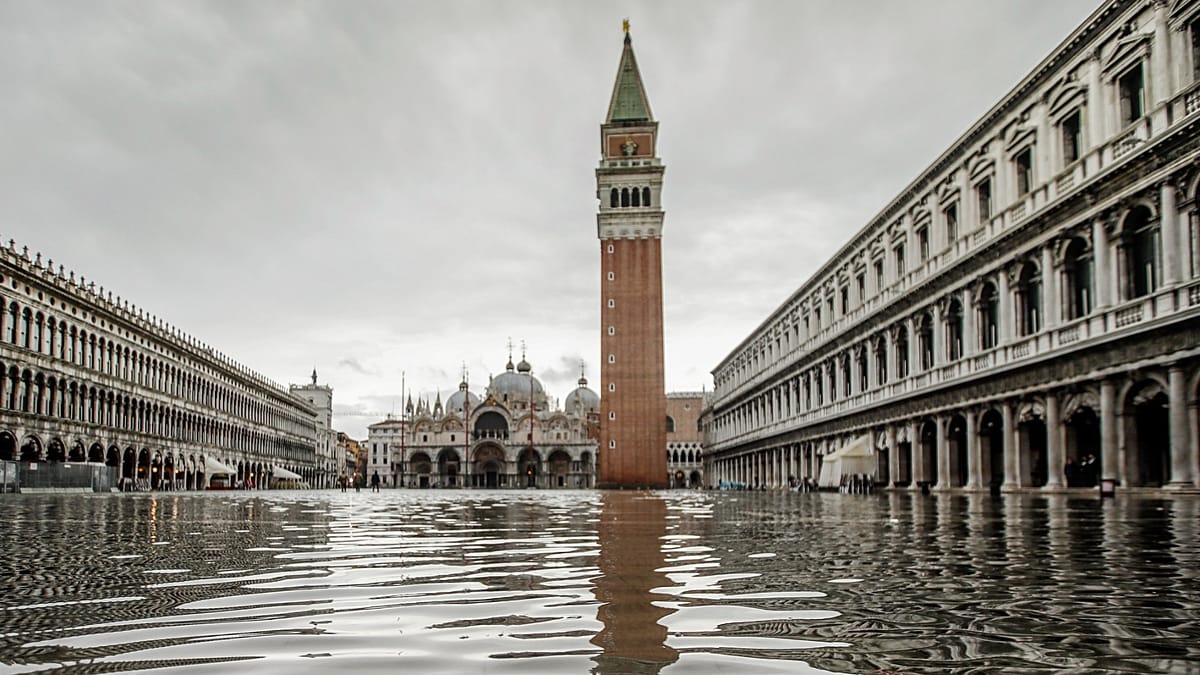
Venice, a UNESCO World Heritage Site built within a shallow lagoon, has long battled acqua alta (high water). The frequency and severity of flooding have intensified, exemplified by the devastating inundation of 2019 which claimed two lives and caused hundreds of millions of euros in damage to landmarks like St Mark's Basilica. While a €3.3 million restoration plan for the 900-year-old basilica was unveiled in 2023, such efforts are mere palliatives against a relentless hydrological force.
A Menu of Staggeringly Expensive Options
The research outlines three escalating tiers of adaptation, each with colossal price tags and profound implications. For sea-level rise of up to half a metre—a possibility by 2100 even under low-emission scenarios—the construction of extensive dikes around the city is proposed, with an estimated cost between €500 million and €4.5 billion.
Beyond that threshold, a more radical 'super levee' completely closing off the Venetian Lagoon could theoretically protect the city from up to 10 metres of sea-level rise. This mega-project, however, carries an initial cost exceeding €30 billion and would take decades to plan and build.
As a last resort for the distant future, the study contemplates the unthinkable: the managed relocation of Venice's inhabitants and its irreplaceable historic fabric. This scenario, deemed necessary only with catastrophic sea-level rise exceeding 4.5 metres (projected after 2300), could cost up to €100 billion. "Given the high cultural value of Venice, these costs are clearly incomplete and no adaptation measure can sustain the Venice that we see today in the long term," said Professor Robert Nicholls of the University of East Anglia's Tyndall Centre for Climate Change Research, a lead author of the study.
An Inescapable Dilemma for Europe and Beyond
The crisis is compounded by local subsidence, where the city's ground level sinks by roughly 1mm annually due to natural shifts and past groundwater extraction. Meanwhile, global warming accelerates sea-level rise through melting glaciers and the thermal expansion of seawater. Seasonal sirocco winds from the south further exacerbate the problem by pushing storm surges from the Adriatic Sea into the vulnerable lagoon.
"Our analysis shows that there is no optimal strategy for Venice," Professor Nicholls stated. "Any approach taken must balance multiple factors, including the well-being and safety of Venice's residents, economic prosperity, the future of the lagoon's ecosystems, heritage preservation and the region's traditions and culture." He urged all vulnerable coastal areas, from the Netherlands to the Maldives, to begin long-term adaptation planning immediately.
The study serves as a sobering case study for European coastal management. While the EU Energy Chief Warns of Prolonged Price Hikes from Middle East Conflict, the financial and cultural cost of climate adaptation presents a different order of fiscal challenge. The decades-long timelines for major infrastructure projects mean decisions about Venice's fate cannot be deferred.
Venice's struggle mirrors water crises elsewhere, albeit on a uniquely cultural scale. As a Central Asian Summit Advances Proposal for UN Water Agency Amid Regional Crises, the need for coordinated, transnational responses to environmental threats becomes ever more apparent. For Venice, the question is no longer if it will change, but how profoundly, and at what cost to one of Europe's most treasured landscapes.