A critical diplomatic sequence this month offers European leaders a pivotal chance to redefine the continent's energy security. Against a backdrop of global market turmoil and regional conflict, the focus is shifting decisively from managing fossil fuel crises to building a resilient, renewable-powered future.
First, EU foreign affairs ministers convene in Strasbourg on April 21. They are followed immediately by the 17th Petersberg Climate Dialogue, bringing together 40 nations. The momentum then shifts to Santa Marta, Colombia, for the inaugural International Conference on the Just Transition Away from Fossil Fuels from April 24-29.
A Climate Reset in a Time of Conflict
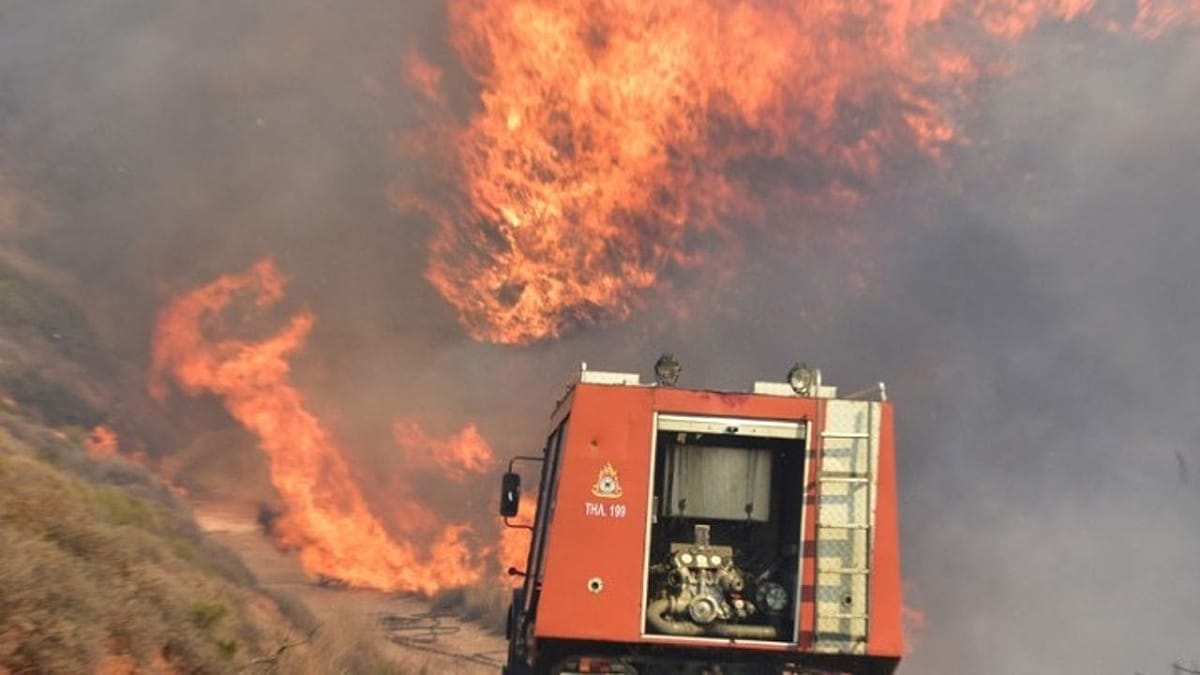
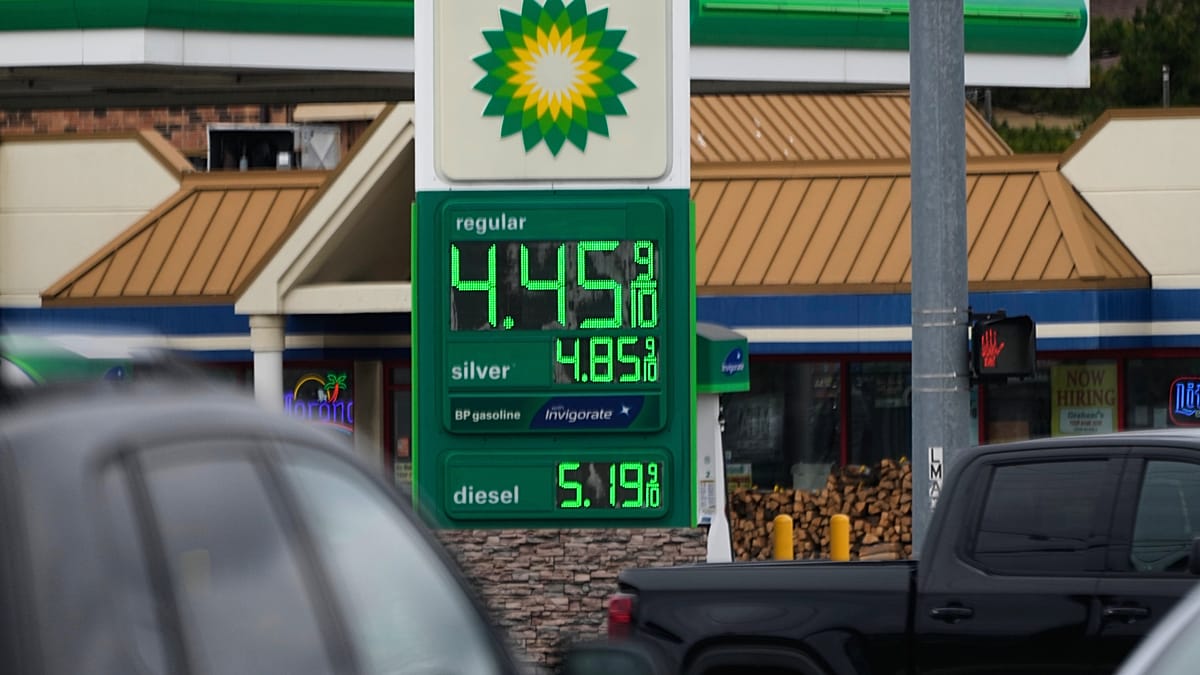
Analysts frame this moment as a potential 'climate reset.' The instability of oil and gas markets, exacerbated by international tensions, is seen not just as an environmental imperative but a fundamental test of economic and national security.
"The fossil fuelled war led by the US and Israel against Iran violates international law, harms innocent civilians, and is dragging the region into a broader conflict while worsening the cost-of-living crisis across the world," says Tasneem Essop of the Climate Action Network. "This moment reinforces why transitioning away from fossil fuels is not merely a matter of climate policy: it is a question of economic stability, safety and human well-being."
This sentiment resonates in European capitals from Berlin to Paris, where recent energy shocks have laid bare the vulnerabilities of dependency. The drive for a just transition is gaining political weight, linking climate goals directly to industrial strategy and social cohesion.
Moving Beyond COP Disappointment
While annual UN climate conferences (COPs) remain central, their recent outcomes have left many European policymakers and activists wanting more tangible progress. This has spurred a search for more effective diplomatic frameworks.
"COP30 left many Europeans frustrated, but it also underlined the need for a reset in climate diplomacy," notes Linda Kalcher, Executive Director of Strategic Perspectives. "In a more complex geopolitical context, we need a better structure that focuses on economic cooperation and partnerships, ensuring more countries can benefit from the global clean transformation."
The Santa Marta conference, announced at COP30 in Belém and backed by 85 nations, is designed to be that new engine. Its goal is to agree on "actionable solutions" for subsequent refinement and national implementation, moving from declaration to delivery.
"The real question for governments is not only what they should transition away from, but what they should transition towards. The answer is electrified energy systems powered by abundant, low-cost renewable energy," says Bruce Douglas from the Global Renewables Alliance. "That is how we reduce the risk of every fossil fuel disruption turning into a global energy and economic shock."
This focus on systemic change echoes debates within the EU over the Green Deal's implementation and the bloc's strategic autonomy, a discussion intensified by global events such as regional conflicts affecting energy corridors.
The 'Coalition of Doers' Gathers
The Santa Marta meeting is the largest of the three, with 50 countries and over 2,000 organisations expected. It aims to function as a practical workshop, uniting consumer and producer governments, the private sector, scientists, and civil society into a "coalition of doers."
Jennifer Morgan, former German state secretary for climate, frames the choice starkly: "Governments face a choice: double down on a system built on scarcity, or work together to build a more secure future based on renewable energy. The coalition gathering in Santa Marta is ready to accelerate this shift, taking practical steps to deliver a more stable, resilient system."
The conference's outcomes will be captured in a 'chair’s summary,' intended to feed directly into preparations for COP31. However, the true value may lie in the diplomatic groundwork laid in side meetings and corridors.
"The value of these large international gatherings lies less in final statements and more in the space and the momentum they generate - through mobilising actors, parallel discussions, and exchanges in the margins," observes Marta Torres Gunfaus of the Institute for Sustainable Development and International Relations.
For Europe, the stakes extend beyond climate metrics. A successful pivot underpins long-term competitiveness and reduces exposure to the volatility that has characterised relations with petrostates, a lesson underscored by recent geopolitical shifts. The continent's ability to lead this transition will be a defining test of its global influence in the coming decade, even as it navigates internal challenges like scrutiny of legacy policies in member states like Hungary.