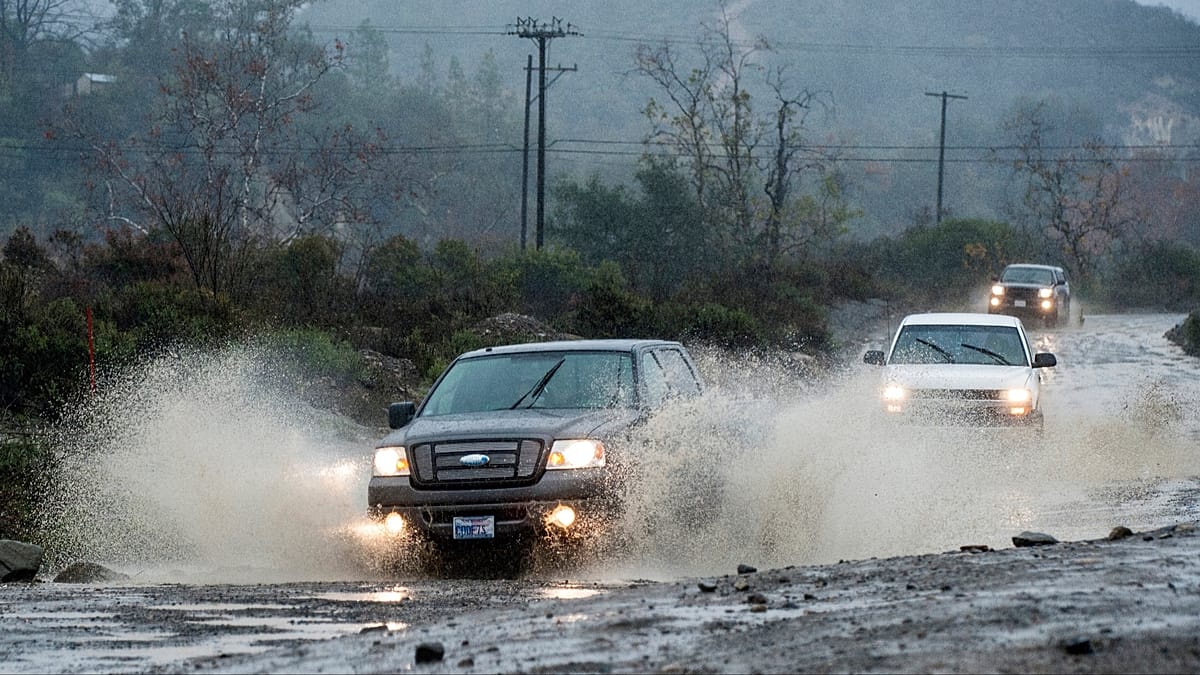
As the current El Niño continues to intensify in the Pacific, the World Meteorological Organization (WMO) warns its effects could stretch into 2027. The phenomenon, which typically recurs every two to seven years, is already driving extreme weather across Central America's Dry Corridor, from Mexico to Panama, and threatening coral reefs and forests.
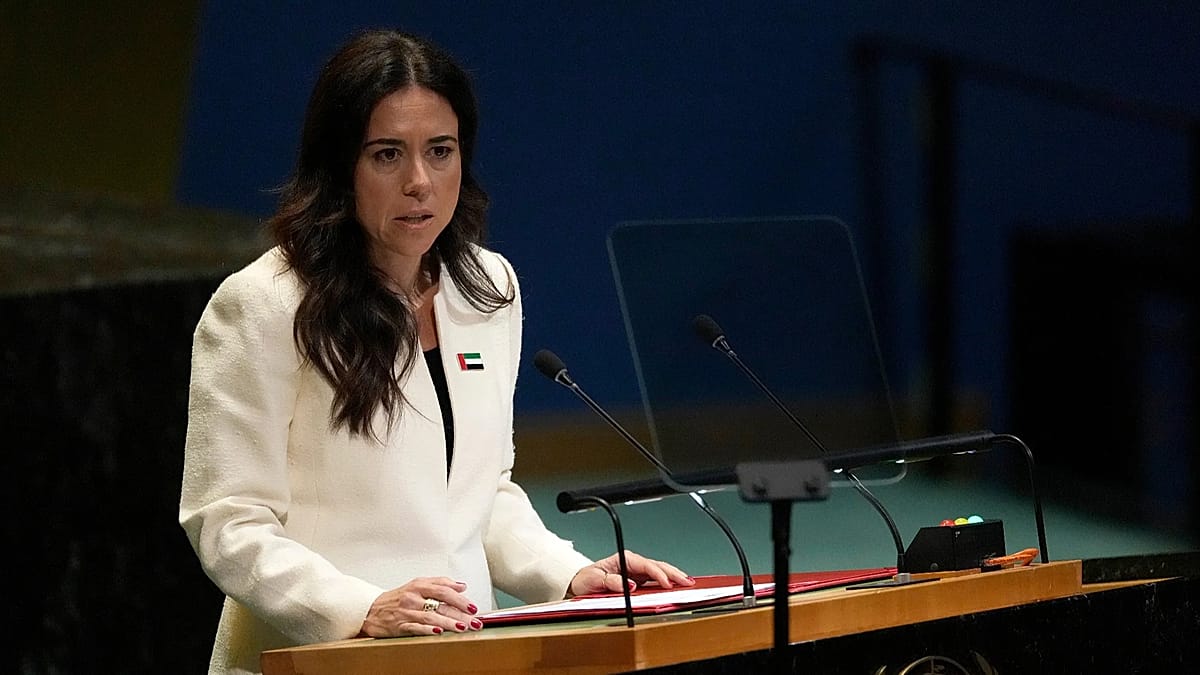
Celeste Saulo, the WMO's secretary-general, told reporters in Geneva that the current event could be "unprecedented in strength," with "far-reaching consequences for weather patterns across the world." Tom Fletcher, the UN's under-secretary-general for humanitarian affairs, described El Niño as a "wrecking ball" of extreme heat, drought, and flooding, warning of "massive humanitarian consequences."
But a new study offers a glimmer of hope: scientists have identified conditions that could allow some El Niño and La Niña events to be predicted up to a year in advance, giving communities and governments more time to prepare.
Forecasting further into the future
Researchers from CSIRO, Australia's national science agency, and the University of Melbourne analyzed more than 7,500 historical forecasts from climate models developed in nine countries. They found that the state of the Pacific—whether in El Niño, La Niña, or neutral—at the start of a forecast significantly influences its reliability a year later.
Forecasts initiated during La Niña conditions consistently performed well even when predicting events 12 months ahead, while those starting from neutral conditions were far less reliable. The findings, published in Science Advances, provide a new way to assess confidence in long-range climate forecasts.
"We've known for some time that the starting conditions affect how well model forecasts perform, but our study really shows how drastic those differences in performance can be," said lead author Dr. Nandini Ramesh, a senior research scientist at CSIRO. "The exciting thing about our results is that we can use that information. We can identify which forecasts deserve greater confidence and potentially warn the public about El Niño events much earlier."
Co-author Dr. Mandy Freund from the University of Melbourne added that the findings could improve how early warnings are communicated. However, Dr. Ramesh noted the team is still "a few steps away" from applying the results to operational forecasting models, though they "hold promise for being able to communicate early warnings for future events."
Preparing for the inevitable
El Niño is a natural phenomenon and cannot be stopped, but longer lead times could help countries adapt. Davide Faranda, research director at France's National Centre for Scientific Research (CNRS), emphasized the importance of water management. "The key is to manage water and prepare for the changes in where and when rainfall occurs," he said.
Governments can store and distribute water more carefully, regulate reservoirs and groundwater use, adjust farming schedules and irrigation practices, and prepare communities for droughts or floods. Farmers can reduce losses by changing planting dates, irrigating at cooler times of day, and storing water ahead of dry spells.
The stakes are high, especially as climate change amplifies El Niño's impacts. While El Niño can raise global average temperatures by around 0.2°C, the burning of fossil fuels has added far more heat to the atmosphere. This compounding effect is why 2025 was the third warmest year on record—hotter than the El Niño year of 2016—despite the cooling influence of a La Niña event.
For Europe, the ripple effects of El Niño are felt through disrupted weather patterns, affecting agriculture, water resources, and energy demand. Earlier warnings could help European nations and their partners in the Global South better coordinate responses, from humanitarian aid to trade adjustments. As the continent grapples with its own climate challenges, such as Iberian labour unrest and migration pressures in Ceuta, the ability to anticipate global climate shocks becomes ever more critical.
The research marks a step toward more resilient planning, but scientists caution that much work remains. "These results are promising," said Dr. Ramesh, "but we need to integrate them into the models used by forecasting agencies before we can issue earlier public warnings."