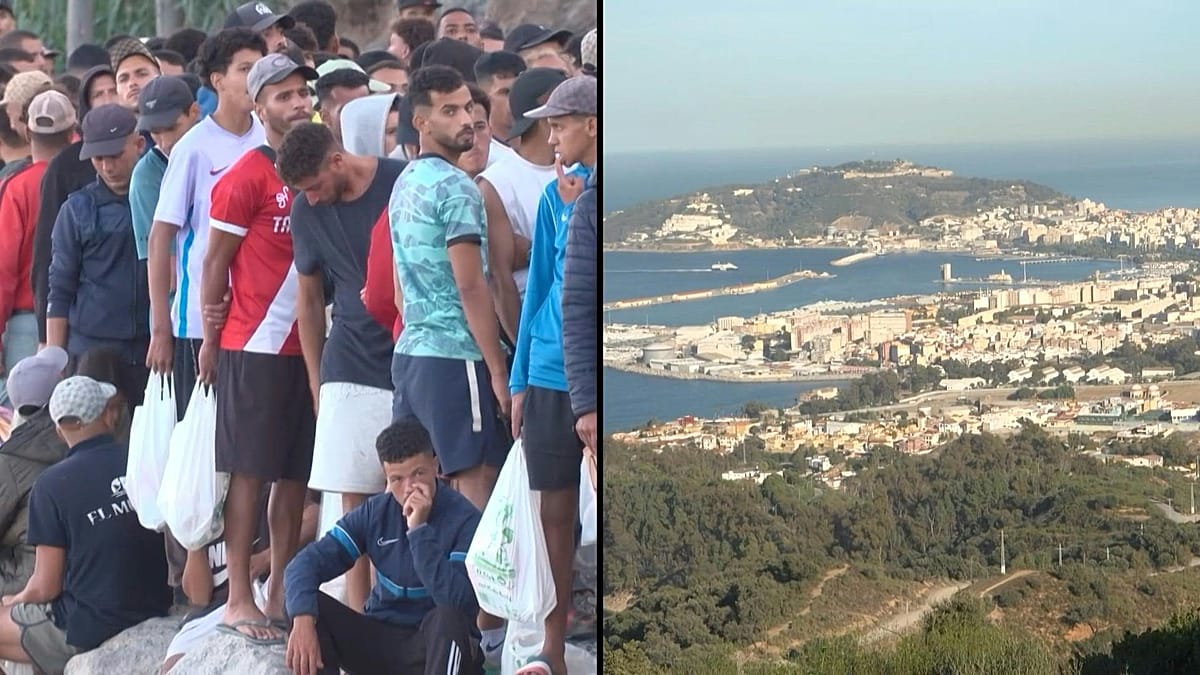
Two months after a dramatic surge of migrants crossed into the Spanish enclave of Ceuta from Morocco, the event continues to reverberate through local politics. On July 30 and 31, over 70,000 people entered the territory, a figure that overwhelmed local authorities and sparked a humanitarian emergency. As Spain prepares for a general election next month, the crisis has become a defining issue for many voters in Ceuta, reshaping allegiances and sharpening rhetoric.
Voter shifts in Ceuta
Esperanza Ansede, a teacher who has long supported Prime Minister Pedro Sánchez's Socialist Party, says her vote is no longer guaranteed. "I used to believe the Socialists had the right approach, but the handling of the border situation has changed my mind," she told European Pulse. Ansede now intends to back the centre-right Popular Party (PP), a shift that reflects a broader unease among some residents who feel the central government in Madrid has not done enough to secure the enclave's borders.
Gema Miralles, a beautician who identifies with the right, wants even tougher measures. "We need parties that will take a firm stand on migration, especially here in Ceuta," she said. "The situation is unsustainable, and we cannot keep absorbing these numbers." Her comments echo a sentiment that has grown louder in recent weeks, with some local politicians calling for reinforced fences and stricter asylum procedures.
But not everyone in Ceuta is moving toward the right. Ahmed Enfed-Dal, a community leader, warns that the crisis is being exploited to push a more radical agenda. "The rhetoric has become dangerously polarised," he said. "We are seeing far-right groups gain traction, and that is a threat to the social fabric of this city. Left-wing parties need to unite and offer a humane alternative."
The political landscape in Ceuta is unique within Spain. The enclave, along with Melilla, is one of two Spanish territories on the African continent, and its proximity to Morocco makes migration a daily reality. The July influx, which included many young men and families, was one of the largest in recent memory, and it has tested the capacity of local services and the patience of residents.
Spain's national government has defended its response, pointing to diplomatic efforts with Rabat and the deployment of additional police forces. However, critics argue that the lack of a coordinated EU strategy has left frontline territories like Ceuta to bear the brunt. The issue has also reignited debates in Brussels about migration patterns across the bloc, as member states grapple with differing approaches.
The timing of the election adds urgency. With the PP leading in some national polls, a shift in Ceuta could mirror broader trends across Spain. Yet local dynamics are complex. Ceuta has a significant Muslim community, and its political representation spans from the PP to smaller regional parties. The crisis has strained intercommunal relations, with some residents expressing frustration at what they see as unequal treatment.
For now, the streets of Ceuta remain calm, but the political temperature is high. As one local shopkeeper put it, "We are used to living with the border, but this was different. It changed how we see the future." The election will show whether that change translates into a lasting realignment of Spanish politics.
Observers note that the situation in Ceuta is not isolated. Italy and Spain recently lifted border checks after the standoff, but the underlying pressures remain. The EU's broader migration policy is under scrutiny, and the outcome of Spain's vote could influence the bloc's direction on asylum and border management.
As Ceuta prepares to cast its ballots, the choices made here will resonate far beyond the enclave's narrow streets. Whether voters opt for continuity, change, or a harder line, the message from this Mediterranean outpost is clear: migration is not a passing issue but a defining challenge for Europe's future.