Italy and Spain have agreed to permanently lift the temporary border checks that had suspended Schengen free movement between the two countries, bringing a formal end to a diplomatic dispute that erupted after a mass border breach in Spain's North African enclave of Ceuta.
The decision was confirmed in identical statements from both governments, following a phone call between Italian Interior Minister Matteo Piantedosi and his Spanish counterpart, Fernando Grande-Marlaska. The move had been signalled last week by Prime Ministers Giorgia Meloni and Pedro Sánchez on the sidelines of a European Council meeting in Brussels.
According to sources in both interior ministries, the lifting of checks will be accompanied by enhanced information-sharing to maintain security across the Schengen area. The two governments said the current suspensions would not be extended, after what they described as a careful assessment of the situation.
From crisis to compromise
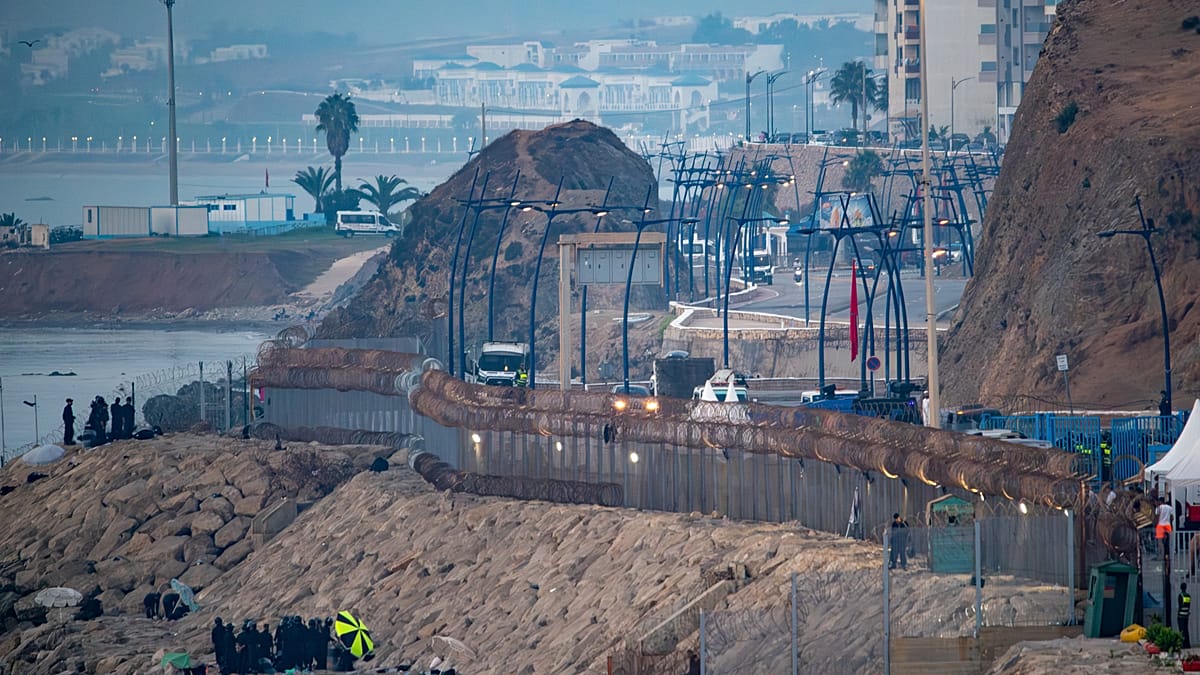
The announcement closes a turbulent chapter in relations between Rome and Madrid. In late July, more than 70,000 people crossed illegally into Ceuta from Morocco, overwhelming the enclave's border infrastructure. The incident prompted Meloni to announce immediate checks on travellers arriving from Spain, a move that took effect on 1 August.
Italy's temporary reintroduction of border controls meant that passengers arriving at Italian ports and airports from Spain faced targeted screening, with a focus on non-EU nationals. The Italian Interior Ministry said the measures were designed to strengthen border security and prevent potential terrorist threats.
Spain reacted with anger. Foreign Minister José Manuel Albares called the Italian decision “absurd” and “a disgrace”, and within a week Madrid introduced reciprocal checks on travellers arriving from Italy. The standoff threatened to spill over into broader EU discussions on migration and internal security.
Notably, Italy and Spain do not share a land border, and Ceuta itself lies outside the Schengen area, meaning free movement rules never applied to the enclave. Critics of the Italian move argued it was more symbolic than practical, but it nonetheless created a precedent for unilateral suspensions of Schengen rules that worried other member states.
The resolution comes as both countries face domestic pressures over migration and border security. In Italy, the government has taken a hard line on irregular arrivals, while Spain has dealt with repeated surges in the western Mediterranean route. The decision to lift checks suggests a mutual interest in avoiding a prolonged quarrel that could complicate EU cooperation.
Analysts note that the episode highlights the fragility of Schengen, Europe's passport-free travel zone, which has seen temporary internal border controls reintroduced by several member states in recent years. The European Commission has repeatedly called for a return to normal functioning, but migration crises and security threats have kept the issue on the agenda.
For now, the two Mediterranean neighbours have chosen pragmatism. The lifting of checks is expected to take effect immediately, and travellers between Italy and Spain will no longer face systematic identity checks at airports and ports. The enhanced information-sharing arrangement is intended to reassure both sides that security will not be compromised.
The move is likely to be welcomed in Brussels, where the Commission has been pushing for a more coordinated approach to border management. It also removes a potential obstacle to cooperation on other fronts, including energy, migration, and the EU's southern neighbourhood policy.
As Europe grapples with the broader challenges of migration and internal security, the Italy-Spain agreement offers a modest but significant example of bilateral de-escalation. Whether it will serve as a template for other disputes remains to be seen, but for now, the two governments have chosen dialogue over discord.