The European Investment Bank (EIB) has announced it will double its financing for climate adaptation to at least €30 billion by 2030, a move that underscores Europe's growing focus on shielding infrastructure, water supplies and agriculture from the escalating economic damage of extreme weather.
Speaking at the launch of the bank's second climate adaptation plan on Thursday, EIB President Nadia Calviño called adaptation "a no-brainer," arguing that every euro invested in prevention saves ten euros in damage and repairs. The announcement comes just a week before the European Commission is expected to present its own climate resilience strategy.
From mitigation to protection
The EIB, which has branded itself as Europe's climate bank, has traditionally concentrated on cutting greenhouse gas emissions. But the new plan marks a clear shift towards preparing for the consequences of a warming planet, acknowledging that investment has not kept pace with the growing risks.
"While understanding of physical climate risks has grown significantly in recent years, adaptation investment remains constrained by limited project pipelines, capacity gaps and financing barriers," the plan states. "Accelerating adaptation will require stronger project preparation, better technical capacity and greater mobilisation of public and private capital."
The financing package will combine loans, guarantees and advisory support, with a particular focus on making adaptation projects easier to identify and fund, including for smaller businesses. The EIB will also develop tools to help public authorities and companies assess local climate risks, targeting investments in energy networks, public buildings, water systems and farming.
The initiative gives climate policy a direct economic and competitiveness dimension, as governments across the continent face mounting costs from droughts, floods, heatwaves and wildfires. It also positions the EU's lending arm as a key instrument for mobilising investment in resilience technologies.
However, the announcement leaves open how the €30 billion will be distributed between countries and sectors, and how much additional private investment the plan is expected to attract.
The cost of inaction
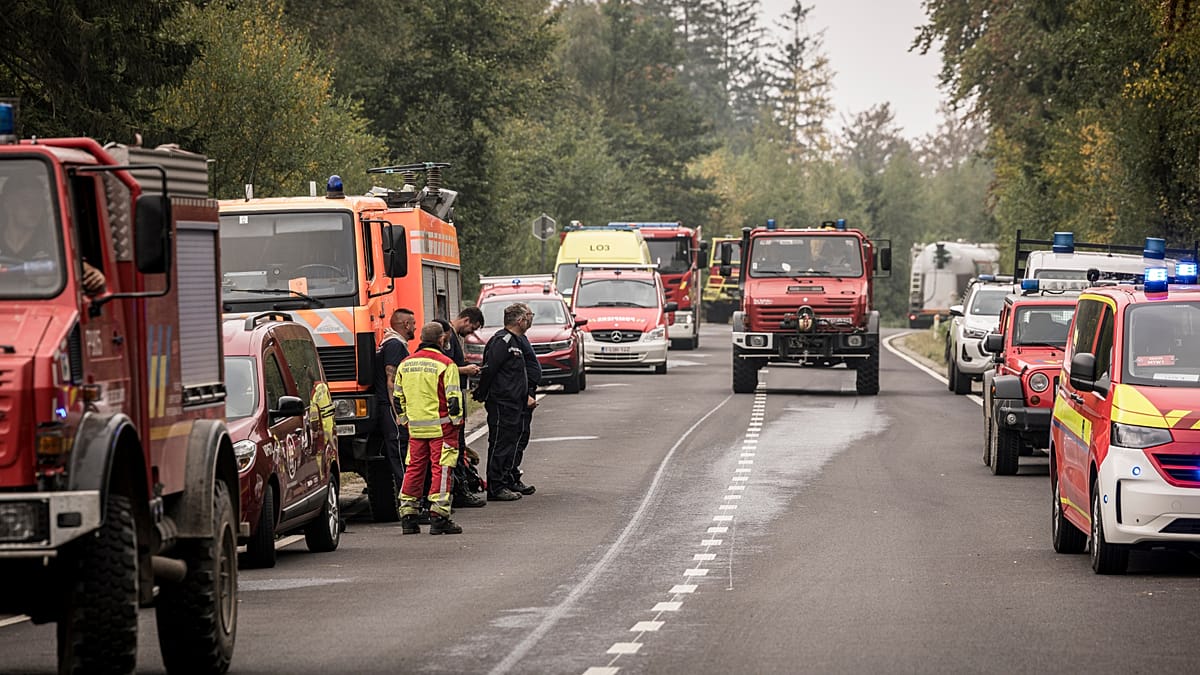
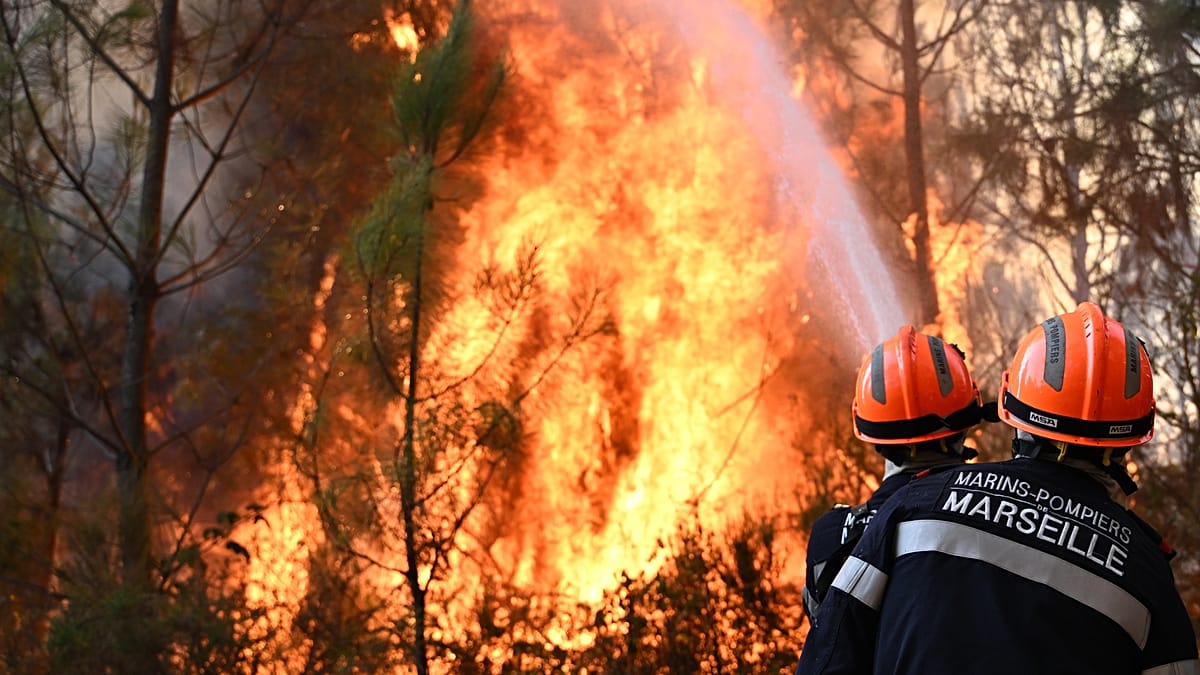
The urgency is underscored by recent data. Wildfires, floods and heatwaves caused an estimated €43 billion in economic losses across the European Union in the summer of 2025, according to a joint study by the European Central Bank and the University of Mannheim. The study projects that the cumulative economic impact could reach €126 billion by 2029.
More than 600,000 hectares have burned across the EU this year, more than twice the long-term average over the past two decades, with temperatures reaching record highs in June alone. The summer also saw at least 35,000 excess deaths linked to heatwaves, prompting European Commission President Ursula von der Leyen to announce a European heatwave plan during her inaugural State of the Union speech in September.
EU countries are already struggling with limited fiscal space, and negotiations on the next multi-annual budget have hit rough waters at the latest gathering of EU leaders in mid-October. But Climate Action Commissioner Wopke Hoekstra insists that upfront investment is cheaper than repeatedly paying for climate damage.
"All evidence shows that making the upfront investments is way cheaper than just being hit by fire, being hit by floods and then paying for the damage. That's just way more costly," Hoekstra said.
The Commission's EU climate resilience framework, expected next week, should bring more clarity on the Climate Insurance Alliance, also touted by von der Leyen in September. Paul Fox, senior research and advocacy officer at the watchdog Finance Watch, warned that insurance is key to a functioning economy and that cutting off the most exposed regions is becoming a market failure the EU must address.
As Europe grapples with the twin challenges of cutting emissions and adapting to a hotter planet, the EIB's move signals a growing recognition that protecting the continent's economy is as critical as decarbonising it. The question now is whether the promised billions will be enough to keep pace with the accelerating costs of climate change.