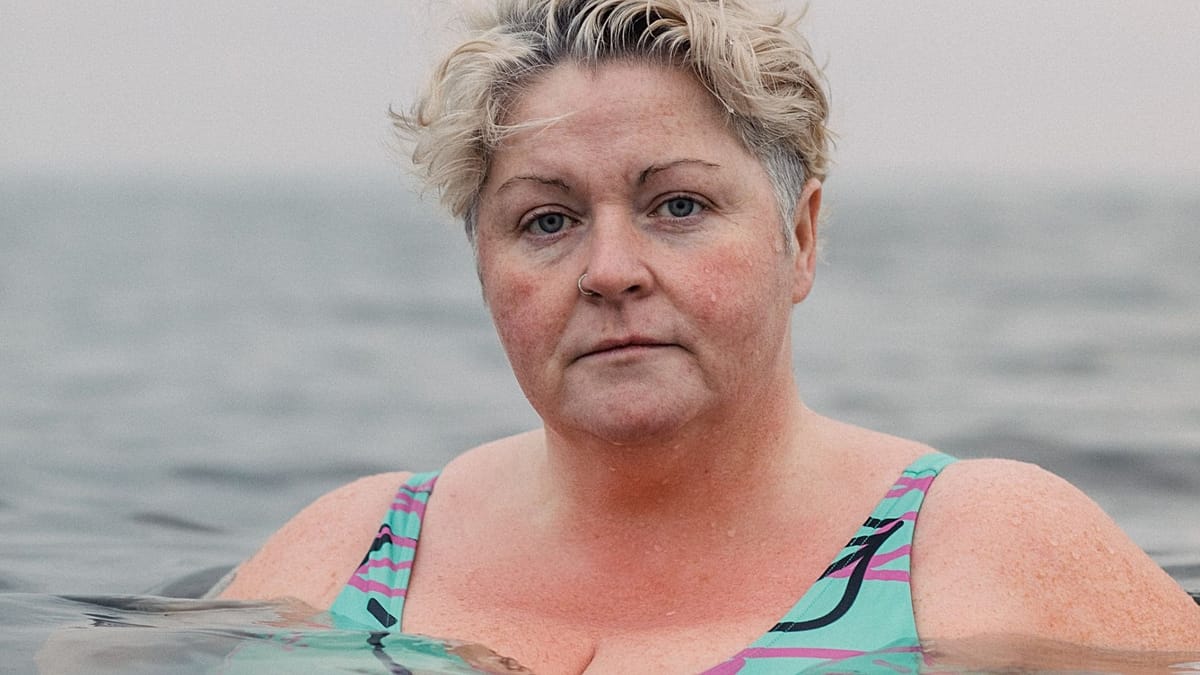
Jean Hascoet remembers a time when the beaches near his home in Brittany were pristine. “I remember our beautiful beach before the pollution,” he says. “Now, with thousands of pigs near our town, everything is different.” Hascoet leads Baie de Douarnenez Environnement, a local campaign group fighting to restore the bay.
His story is echoed across France and Spain, where Europe's shorelines are increasingly choked by toxic algal blooms. Scientists point to a clear culprit: decades of chemical runoff. Fertilizers, excess manure from industrial-scale farms, and poorly treated sewage are pouring nutrients into rivers and seas. Climate change, which is warming European waters, accelerates the growth of algae that suffocate ecosystems and kill fish. Some blooms produce toxins that cause nausea, vomiting, and skin rashes in humans, leading to hundreds of swimming bans this summer.
The investigative outlet DeSmog visited some of the worst-affected areas, speaking to fishers, swimmers, and business owners whose lives depend on clean water.
Mar Menor: Europe's largest saltwater lagoon under siege
On the west coast of Spain's Mar Menor, 84-year-old Fina looks out at the water from her beachfront home in Los Urrutias. “You'll never see me swimming in that water again,” she says. Rotting seaweed piles up on the shore, emitting a foul stench. “This used to be paradise. The sea was teeming with seahorses.”
The Mar Menor, a hotspot for tourists from Spain and beyond, has seen a sharp rise in algae over the past decade. Despite being granted legal personhood by the Spanish government in 2022—a landmark move giving the lagoon rights to protection and restoration—it remains under stress from agricultural runoff. Cyanobacteria, or blue-green algae, thrive on nitrogen and phosphorus, which intensive farming in the region supplies in abundance. Studies estimate that agriculture accounts for around 85% of the nutrients entering the lagoon.
“The land can't accommodate it all,” says Pedro Luengo, a biologist and spokesperson for Ecologistas en Acción in Murcia. “We're a sacrificial zone.” Even on the eastern side of the lagoon, far from the farmland, authorities must work hard to maintain an artificial paradise for tourists. In the first three months of 2026, they collected more than 4,000 tonnes of algae from the shores and nearby waters—roughly the weight of 1,000 elephants.
But that hasn't shielded those who rely on the lagoon for their livelihood. “We used to catch far more gilt-head seabream and prawns. Now the catch is much smaller,” says Rubén Albaladejo, a fisherman from Lo Pagán. “The Mar Menor is a drain into which everyone dumps their rubbish and waste.” Rising water temperatures are further hindering the reproduction of these species. “We've reached 30 degrees—something we've never seen before,” he adds.
Scientists from World Weather Attribution warned in August that human-caused climate change added around 2°C to peak Mediterranean sea temperatures and about 1.4°C in Western European seas. The Mediterranean averaged a record 27.07°C in July. Spain's environment ministry is funding eight projects with more than €11.5 million to reduce livestock pollution, including new ways of treating pig slurry and moving sheep to open pasture. They are part of a €675 million national programme to recover the lagoon, but by the end of 2025 only about 16% of that budget had been spent.
Lough Neagh: A dying lake in Northern Ireland
Two thousand kilometres away, Declan Coney has watched Lough Neagh—the UK's largest lake—devastated by blue-green algae every summer since 2023. “Fishing was instilled in me—generation after generation,” he says. But “this year has been the worst ever for fishing. The Lough is dead.” Trout and eel numbers have fallen, partly because the algae depletes oxygen and its weight forces Coney's nets shut, so fish can't swim inside.
Since the 2000s, the lough has also been invaded by zebra mussels, which hog phytoplankton and deprive other species of food, while attaching to nets and ripping them. “There's no money [in fishing],” says Coney, who has worked on the lake since 1975. “It's not a livelihood anymore.” As in Spain, the blooms are the result of decades of nutrient pollution. Northern Ireland's livestock sector has grown rapidly, and the runoff from farms has turned the lough into a toxic soup.
These stories are not isolated. Across Europe, from the Baltic to the Black Sea, similar crises are unfolding. The European Union's Common Agricultural Policy has long subsidised intensive farming, but critics argue it has failed to protect water quality. The European Commission's 2023 proposal to halve chemical pesticide use by 2030 was withdrawn after protests, and the current Farm to Fork strategy has been watered down.
For communities like those around the Mar Menor and Lough Neagh, the cost is not just environmental but economic and social. As Europeans continue to prioritise holidays, they may find their favourite spots increasingly unwelcoming. The fight to save these waters is far from over, but time is running out.