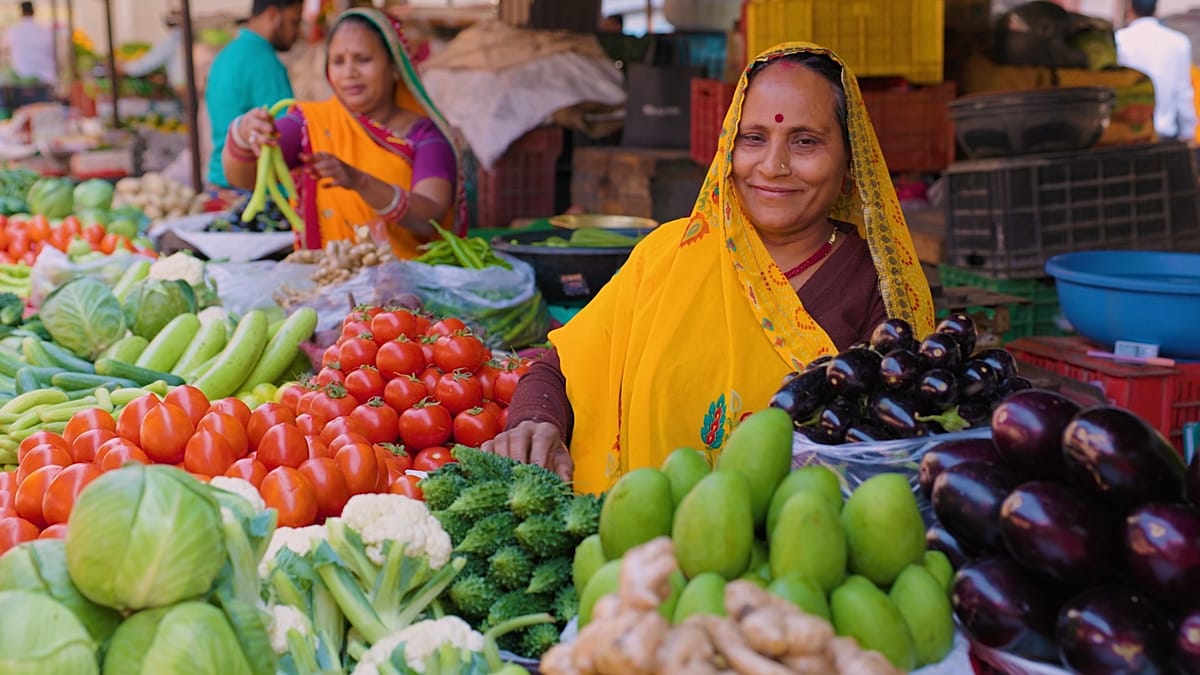
In the arid fields of Telangana, a quiet revolution is taking root. Women farmers, organised into self-help groups, are reviving traditional cropping patterns, reducing chemical inputs, and restoring degraded soils. Their methods, long overlooked, are now catching the attention of European agronomists, policymakers, and food companies looking for viable answers to the continent's own sustainability challenges.
The story of how India's women-led farming is reaching Europe is not one of charity or exoticism, but of practical exchange. Delegations from France, the Netherlands, and Germany have visited projects in Andhra Pradesh and Maharashtra, while European research institutes are partnering with Indian NGOs to document and adapt these techniques for temperate climates.
From local cooperatives to global inspiration
At the heart of this movement are organisations like the Deccan Development Society, which supports women's collectives in Telangana. These groups manage community seed banks, practice organic farming, and run local grain markets. Their success in improving food security and incomes has been documented in studies by the UN Food and Agriculture Organization and the Indian Council of Agricultural Research.
European interest is not merely academic. The EU's Farm to Fork strategy, a cornerstone of the European Green Deal, aims to cut pesticide use and boost organic farming by 2030. Yet many European farmers struggle with the transition, facing economic pressures and knowledge gaps. Indian women's cooperatives offer a model of low-cost, community-based adaptation that resonates with smallholders in southern Europe and the Balkans.
"What we see in India is that sustainability is not a luxury but a survival strategy," says Dr. Elena Rossi, an agronomist at the University of Bologna who has studied the exchanges. "These women have developed resilient systems with minimal external inputs. Their knowledge is directly transferable to regions facing drought and soil degradation."
Concrete projects and partnerships
One notable initiative is the Indo-EU Knowledge Bridge on Agroecology, launched in 2024, which funds exchanges between Indian women's cooperatives and European farming networks. Farmers from Portugal's Alentejo region, for instance, have adopted intercropping techniques learned from Indian women, reducing their water use by 20%.
In the Netherlands, a cooperative of women dairy farmers has collaborated with Indian counterparts to improve animal welfare and reduce methane emissions. The project, supported by the Dutch government, has led to the development of a new feed additive based on Indian herbs, now being tested in Dutch barns.
The influence extends to the corporate world. Several European food retailers, including French and German chains, have begun sourcing organic millets and spices directly from Indian women's cooperatives, ensuring fair prices and traceability. These products are marketed as "climate-friendly" and have seen strong demand among European consumers.
Challenges and a two-way street
However, the transfer is not without challenges. Critics point out that Indian women farmers still face significant hurdles, including land rights, access to credit, and climate volatility. European partners must avoid romanticising their situation or imposing external standards that could undermine local practices.
"We are not looking for a one-size-fits-all solution," says Meera Sharma, a coordinator at the Deccan Development Society. "But we are happy to share what we have learned. European farmers have their own expertise, and we can learn from them too, especially in areas like renewable energy and precision agriculture."
The exchange is also influencing policy debates in Europe. The European Economic and Social Committee has cited Indian women's cooperatives as an example in its recent opinion on empowering women in rural areas. The European Parliament has held hearings on the topic, with some MEPs calling for more EU funding for agroecology projects inspired by such models.
This South-North knowledge flow is a refreshing counterpoint to the usual development narrative. It underscores that sustainable farming is not a Western invention but a global endeavour, with women at its forefront. As Europe seeks to feed its population while protecting its environment, it may find unexpected allies in the fields of India.