The UK government has given the green light to drilling at the Jackdaw gas field, a development in the North Sea that has reignited the debate between energy security and climate action. The field, located roughly 240 kilometres east of Aberdeen, is expected to produce around 6.5% of the UK's gas output at its peak, according to Shell, one of the project's co-developers.
Announcing the decision on Wednesday, Labour Prime Minister Andy Burnham framed the move as a pragmatic response to high energy prices and geopolitical instability. "At a time when people are really struggling, it's right that we look in a responsible way at maximising the existing energy reserves we have in Britain that could help," he said. He reiterated the government's commitment to renewable energy and net zero by 2050, but insisted that oil and gas would remain part of the energy mix for decades.
Energy security vs. climate commitments
The approval comes amid rising energy costs linked to the war in Iran, which has disrupted global markets. The government argues that domestic production reduces reliance on imports and shields the UK from volatile international prices. However, critics point out that oil and gas are traded on global markets, so the decision is unlikely to translate into lower bills for British households.
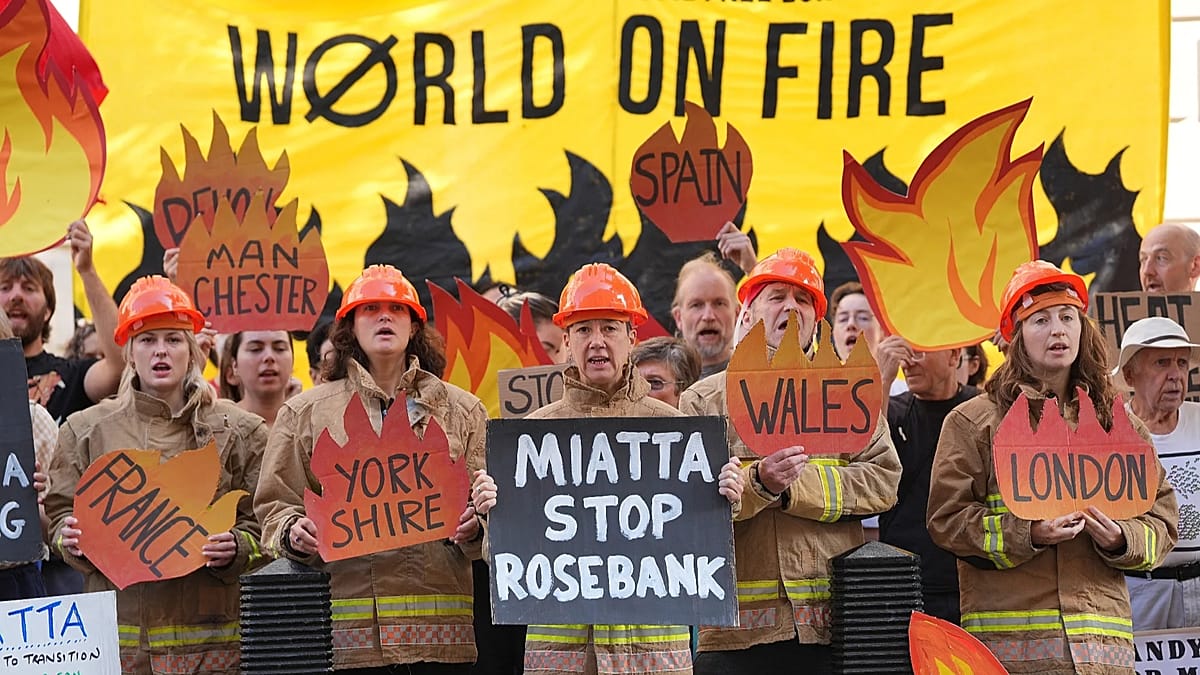
Environmental groups have condemned the move. Zack Polanski, leader of the Green Party, called it "climate vandalism," while Greenpeace accused the government of bowing to fossil fuel lobbyists. "True pragmatism means severing our reliance on expensive oil and gas that leaves British households broke, supercharges extreme weather, and leaves our energy security at the mercy of petrostates," said Ami McCarthy, head of politics at Greenpeace UK.
The Jackdaw approval follows a Scottish court ruling last year that struck down previous permits for both Jackdaw and the larger Rosebank project, which holds the UK's largest untapped oil reserves. The court found that the approvals had failed to account for indirect carbon emissions from burning the extracted fuel. The government has yet to decide on Rosebank, which remains under review.
Industry groups welcomed the decision, arguing that domestic production is essential for a stable transition. They note that the UK still relies heavily on natural gas for heating and electricity generation, and that imported gas often carries a higher carbon footprint due to shipping and extraction methods.
The controversy highlights a broader tension across Europe, where countries are balancing energy independence with climate pledges. The UK's approach mirrors debates in other North Sea nations, such as Norway, which continues to expand its oil and gas sector while investing in carbon capture and renewables. Meanwhile, the EU is pushing for stricter emissions targets and faster deployment of clean energy, as seen in recent climate-related health impacts across the continent.
Burnham's government has also faced criticism for its handling of the energy transition, with some arguing that approving new fossil fuel projects undermines the UK's credibility as a climate leader. The decision comes as the UK prepares to host international climate talks, and activists have promised to escalate protests.
For now, the Jackdaw field is set to proceed, but the legal and political battles are far from over. The government's next move on Rosebank will be closely watched, as will the impact of this decision on the UK's net zero targets. As the debate continues, one thing is clear: the North Sea remains a flashpoint in Europe's energy future.