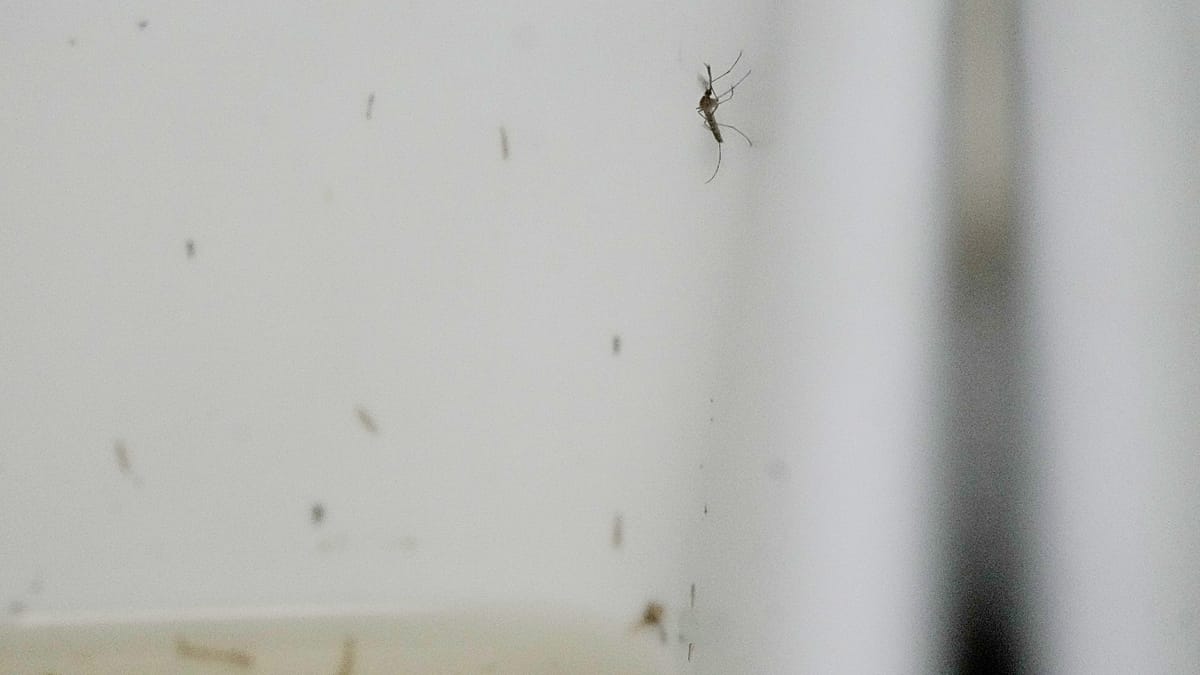
Europe is in the grip of its most severe West Nile virus season on record, with the mosquito-borne disease reaching new latitudes and infecting people in regions previously untouched. The European Centre for Disease Prevention and Control (ECDC) confirmed on Thursday that EU member states have reported 1,715 locally acquired human cases as of 7 October—the highest annual total ever logged—along with 130 fatalities.
The virus, which circulates between mosquitoes and birds and can spill over into humans and horses, has now established a foothold in northern Europe. The Netherlands has recorded 59 human cases this year, while Belgium has reported 15—its first locally acquired infections ever. "Recent detections in people and animals in Belgium and the Netherlands show that the virus is now circulating further north, a trend that is expected to continue in the coming years," the ECDC warned.
Italy remains the epicentre, with 748 cases reported, followed by Greece (445) and France (144)—both countries logging their highest-ever annual counts. The geographic expansion is a stark reminder that climate change and shifting ecological conditions are redrawing the map of infectious disease in Europe.
Severity stable, but reach is widening
Despite the record case numbers, the ECDC notes that the proportion of severe outcomes has not increased. The number of patients who died, required hospitalisation, or developed neuroinvasive symptoms such as encephalitis or meningitis is in line with the previous decade's averages. That offers some reassurance, but the sheer scale of exposure is new.
"West Nile virus is a clear example of why a cross-sector approach is essential," said Céline Gossner, senior expert at the ECDC. "The virus circulates between mosquitoes and birds and can cause disease in people and horses, so no single sector can address the risk alone."
The spread northward is not just a health issue; it has implications for agriculture, wildlife, and public infrastructure. In the Netherlands, for instance, the detection of the virus in birds and horses has triggered surveillance programmes and raised questions about how to manage mosquito populations in urban and rural areas alike.
Preparedness is key as the virus becomes endemic
With the virus now likely to become a recurring seasonal threat across much of Europe, the ECDC is urging governments to bolster their defences. "The occurrence of West Nile virus varies considerably from year to year and is difficult to predict, but what we can do is ensure we're prepared," said Ole Heuer, Head of Unit at the ECDC. "Earlier detection, greater awareness and effective mosquito control can help us reduce the impact of the virus as it spreads to new areas."
There is no licensed vaccine for humans, and treatment is limited to supportive care in hospital for severe cases. For people living in affected areas, the ECDC recommends using mosquito repellent, wearing loose-fitting long clothing, and installing window screens, mosquito nets, or air conditioning to reduce exposure.
The situation echoes broader concerns about how rising temperatures and environmental degradation are affecting public health across the continent. As heat and pollution threaten Europe's brain health, the spread of vector-borne diseases adds another layer of urgency to climate adaptation strategies.
For now, the focus is on managing the current season and preparing for the next. The ECDC's message is clear: West Nile virus is no longer a southern European curiosity but a continental challenge that demands coordinated action from health, environmental, and agricultural authorities.