Berlin is moving ahead with a long-debated levy on sugar-sweetened beverages, a step that could reshape the soft-drink market in Europe's largest economy. The federal cabinet has approved draft legislation that, if passed by the Bundestag, would introduce the tax on 1 July 2027. The measure is designed to generate revenue for the federal budget while pressuring producers to cut sugar content and offer healthier alternatives.
The tax is a direct response to the mounting costs of diet-related illness. According to the federal government, sugary drink consumption is linked to more than €2 billion in annual healthcare expenses, driven by obesity, type 2 diabetes, and dental decay. By making these products slightly more expensive, Berlin hopes to reduce consumption and ease the strain on the statutory health insurance system.
Health groups, scientists, and consumer advocates have long called for such a levy. The government says the tax implements "what associations from the fields of health, science, child protection, and consumer protection have long been demanding."
How the tax would work
The draft legislation sets a two-tier duty based on sugar content. Drinks with at least 5 grams but less than 8 grams of sugar per 100 millilitres would face a charge of €0.26 per litre. Those with 8 grams or more per 100 millilitres would be taxed at €0.32 per litre. This structure is intended to reward reformulation: a manufacturer that lowers sugar below the 5-gram threshold would avoid the tax entirely.
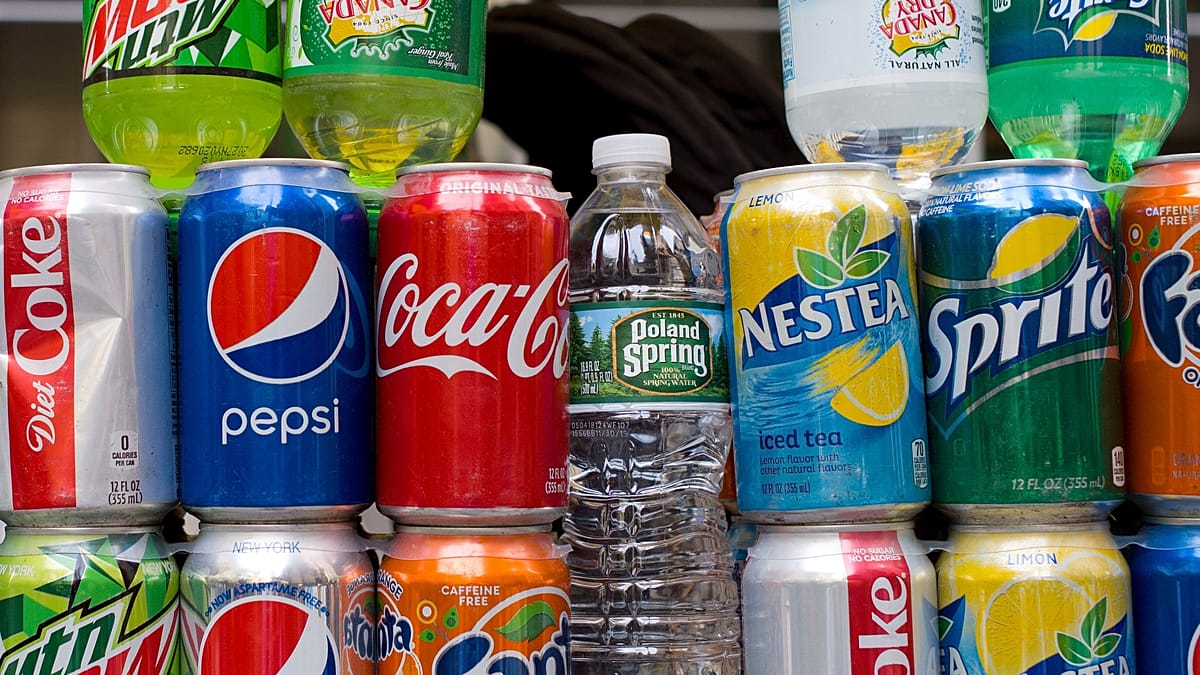
The levy would apply to a wide range of popular beverages, including colas, iced teas, energy drinks, fruit nectars, and juice concentrates with added sugar. Exemptions are carved out for alcoholic drinks and their non-alcoholic counterparts, as well as for milk, oat, and rice drinks, pure fruit and vegetable juices, and beverages sweetened only with artificial sweeteners.
Although the tax would be levied on manufacturers or wholesalers, the federal government expects that most of the cost will be passed on to consumers. Shoppers could see price increases of tens of cents per bottle or can.
Small independent producers would be shielded: those with an annual production volume of up to 70,000 litres would be exempt. A broader exemption for businesses producing up to 1 million litres a year would require approval from the European Commission under state aid rules, a process that could take time.
Revenue and political friction
The tax is projected to bring in €690 million in 2027 and €925 million in 2028. That money would help limit planned cuts to the federal subsidy for the central health fund, potentially averting an increase in health insurance contributions for millions of Germans.
But the proposal has drawn criticism from both industry and some political quarters. Boris Rhein, the minister-president of Hesse and a member of the CDU, told public broadcaster ARD's Tagesschau that the tax would make drinks more expensive and could threaten jobs in the beverage sector. The US-based Tax Foundation also questioned the health benefits, arguing in a 2025 report that "while taxes on sugary drinks do seem to increase their prices, there is no evidence for significant improvement in health outcomes as a result of higher sugary drink prices."
Germany would join a growing list of EU countries that already tax sugary drinks, including France, Portugal, and Hungary, where a broader public health tax has been in place since 2011. The German approach, however, is unique in its explicit link to health insurance financing, a feature that may resonate as other member states grapple with rising healthcare costs.
The legislation now moves to the Bundestag, where coalition partners will need to secure a majority. If passed, the tax would take effect in mid-2027, giving manufacturers time to adjust recipes and pricing. For consumers, the change could be felt at the checkout, but the long-term goal is a healthier population and a more sustainable health system.