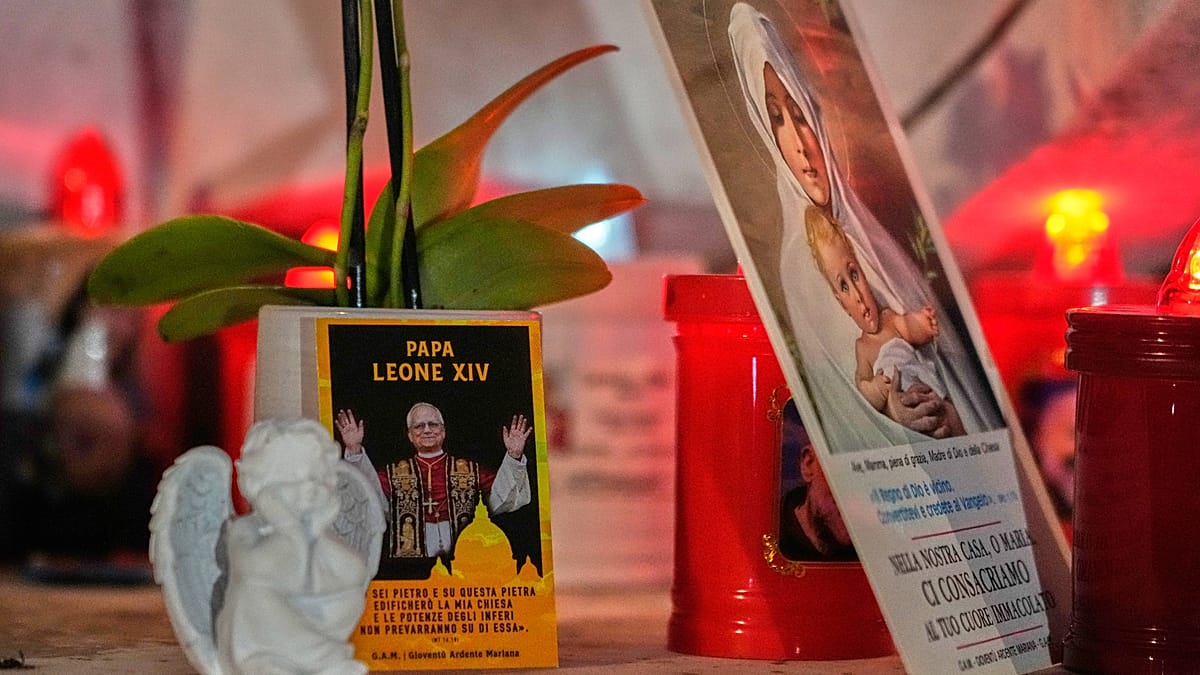
The recent lung operation on Pope Leo XIV at Rome's Gemelli Hospital has drawn attention to a surgical technique developed in Spain that is now used worldwide. The procedure, which removed a cancerous tumour from the pontiff's right lung, employed Uniportal VATS, a minimally invasive method pioneered by Spanish thoracic surgeon Diego González Rivas.
In a video shared on social media, González Rivas confirmed the Pope's recovery was progressing well. "The Pope has already been operated on; he is on the ward with hardly any pain and recovering very well," he said. "The most interesting thing, and the reason why I feel deeply proud, is that he was operated on using our Uniportal VATS technique."
González Rivas, a graduate of the University of Santiago de Compostela, explained that the technique was developed in A Coruña in 2010 and has since spread to 146 countries. He expressed satisfaction that the Gemelli team, with whom he maintains close ties, performed the operation. "Spain's hallmark at the Vatican," he concluded proudly.
What is Uniportal VATS?
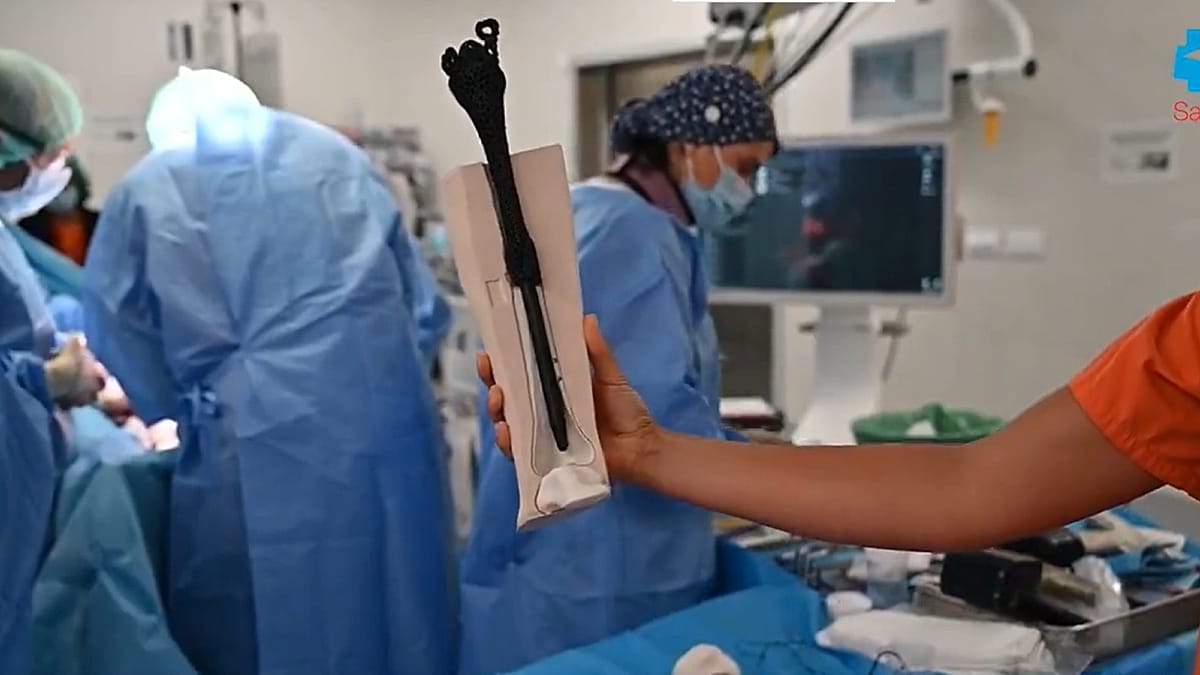
Uniportal VATS is a form of minimally invasive thoracic surgery that allows surgeons to operate through a single small incision, typically between 3 and 5 centimetres. A video camera guides the procedure, while specialised instruments are inserted through the same opening.
This approach enables complex interventions, such as removing part of a lung or performing biopsies of the lung or pleura. Its main benefits include reduced post-operative pain, shorter hospital stays, and faster recovery compared to traditional open surgery.
The 71-year-old pontiff underwent the operation on Tuesday, with the procedure lasting about 90 minutes. According to the Vatican, the surgery went smoothly and as planned. Leo XIV spent a calm night and woke up normally, though doctors are awaiting test results to determine whether the cancer has spread.
The use of this Spanish-developed technique underscores the broader contributions of European medical research to global healthcare. As González Rivas noted, the method has been adopted in countries across the continent and beyond, reflecting a collaborative spirit in medical innovation.
For those interested in how European science continues to shape global practices, this story also echoes other recent advances, such as base editing in gene research, which raises both promise and ethical questions.
Spain's role in this surgical breakthrough adds to its growing reputation in medical technology, a field where European expertise often leads. The technique's success in a high-profile case like the Pope's may encourage further adoption and investment in minimally invasive procedures across the continent.
As the Vatican awaits further medical results, the immediate focus remains on the Pope's recovery. Yet the spotlight on the Spanish innovation behind the operation offers a moment to appreciate how cross-border collaboration in medicine can yield tangible benefits for patients everywhere.