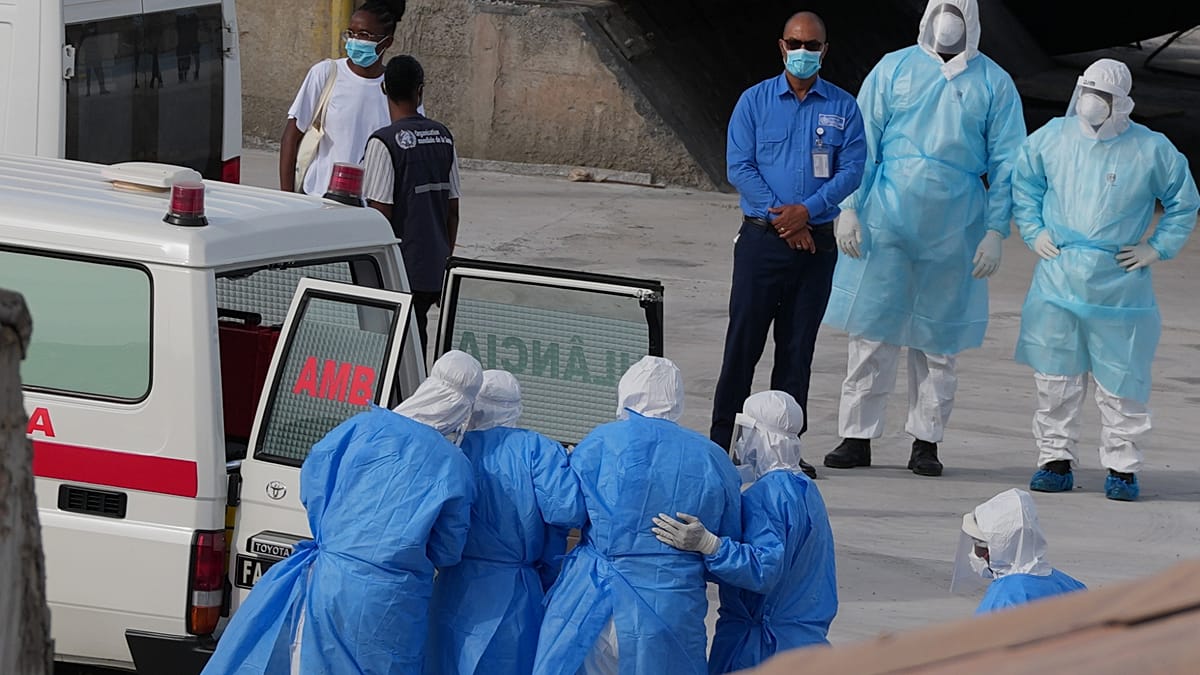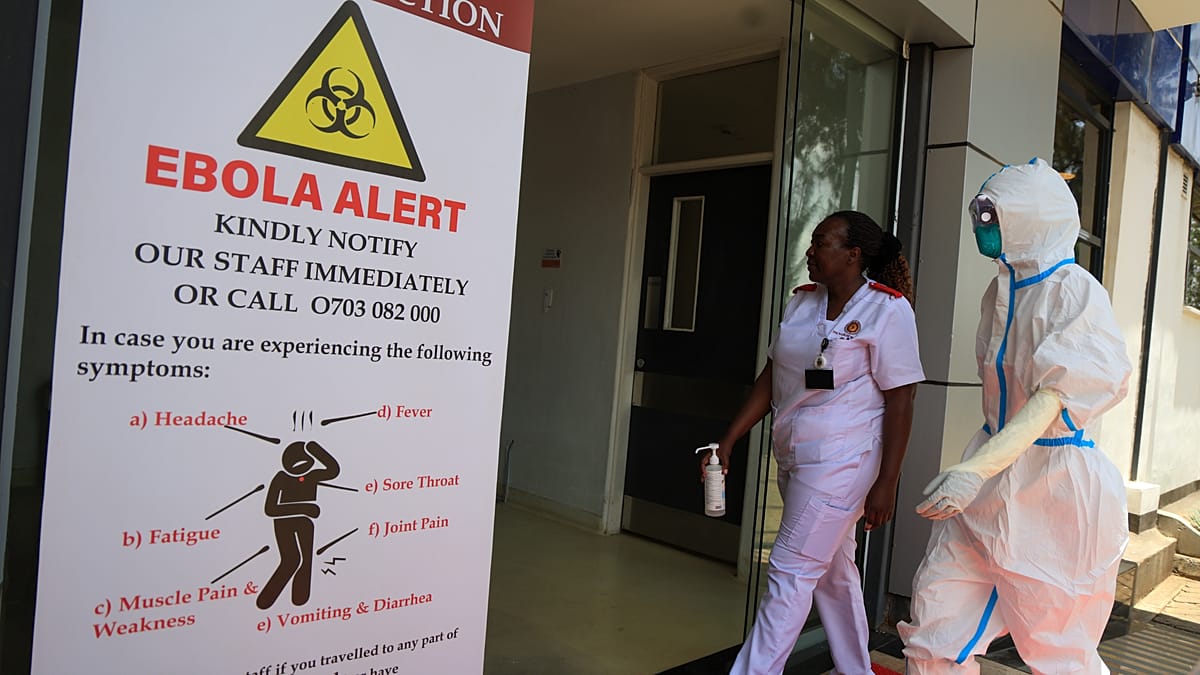
Kenya's health ministry announced on Wednesday that a second case of Ebola has been confirmed in the country, linked to the first-ever fatality reported last week. The new patient, a 39-year-old man and close relative of the initial victim, was already under quarantine when symptoms emerged, according to officials.
This marks the first time Kenya has recorded Ebola cases in its history, despite previous outbreaks elsewhere in Africa. The ministry stressed that the early detection of the second patient—who developed fever, fatigue, and joint pain—has limited the risk of wider transmission. "There is no evidence of spread in the wider community," the statement said, noting that 113 of the 128 identified close contacts have been traced.
Outbreak epicentre remains in DR Congo
The outbreak's epicentre is in the Democratic Republic of Congo's Ituri Province, where more than 6,700 cases and over 3,100 deaths have been reported. Across the DRC, the death toll has surpassed 4,000, with more than 9,000 confirmed cases and 899 patients currently hospitalised in isolation as of 13 October.
Kenya's first victim, a national who had been living in the DRC, fell ill about a month ago. He travelled overland to Kampala, Uganda, and then flew to Nairobi on 3 October, where he was hospitalised and died two days later, according to Health Minister Aden Duale.
The outbreak is caused by the Bundibugyo virus, a strain for which no licensed vaccines or specific treatments exist. While frontline workers in the DRC are being vaccinated with Ervebo—a vaccine effective against the Zaire strain—its efficacy against Bundibugyo remains uncertain. The United Nations noted that Ervebo was "highly effective" against Ebola Zaire but has yet to demonstrate "meaningful protection" against the current strain.
Contact tracing has become a major challenge, with the World Health Organization reporting that follow-up rates have fallen below targets in recent weeks. The European Centre for Disease Prevention and Control (ECDC) continues to classify the outbreak as a public health emergency of international concern, but assesses the risk of importation into Europe as very low. "While sporadic importations cannot be excluded, the probability of multiple independent importations is very low," the agency stated.
European health authorities are nonetheless monitoring the situation closely. The ECDC's assessment aligns with broader European preparedness efforts, including initiatives like Germany's training of East African medics to bolster regional response capacity. Such cooperation is vital as the outbreak persists in remote areas where access is difficult.
For European readers, the key takeaway is that while the outbreak remains a serious regional crisis, the threat to Europe is minimal. However, the situation underscores the importance of global health security and the need for continued investment in outbreak preparedness, as highlighted by AI's role in healthcare from response to broader applications.