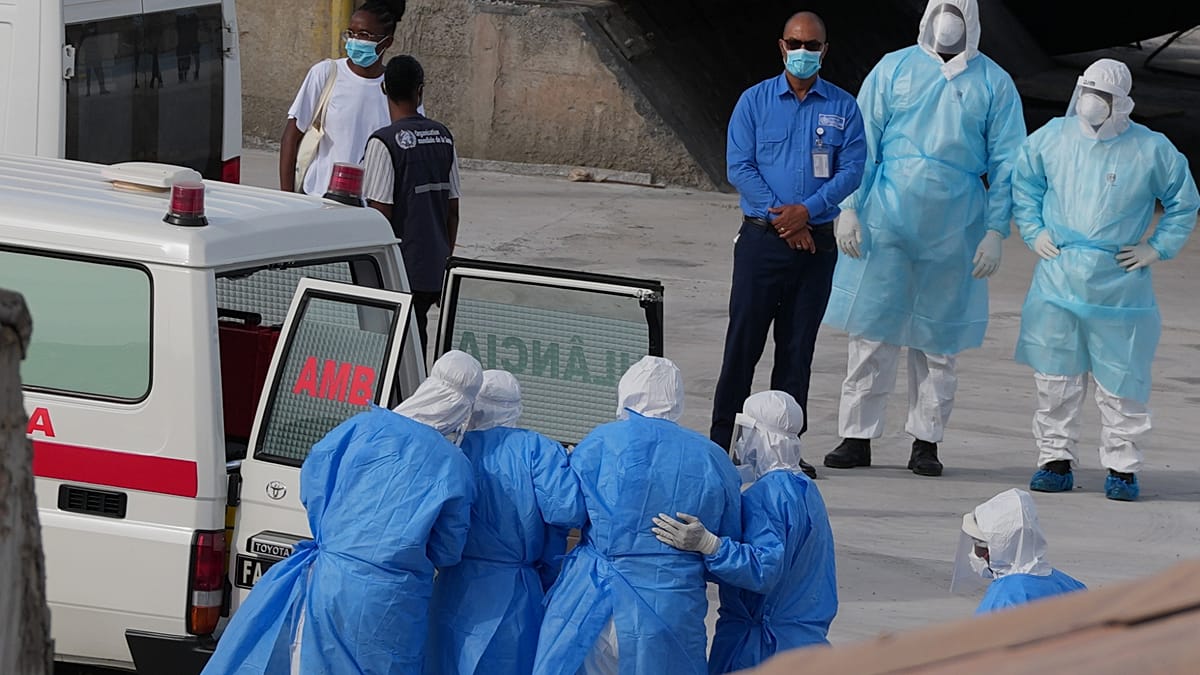
As Ebola continues to claim lives in eastern Democratic Republic of Congo, Germany has stepped up efforts to train local medical staff in safe treatment practices. The outbreak, which has now infected around 9,000 people and killed 4,000, shows no signs of slowing, with cases also reported in Uganda and Kenya.
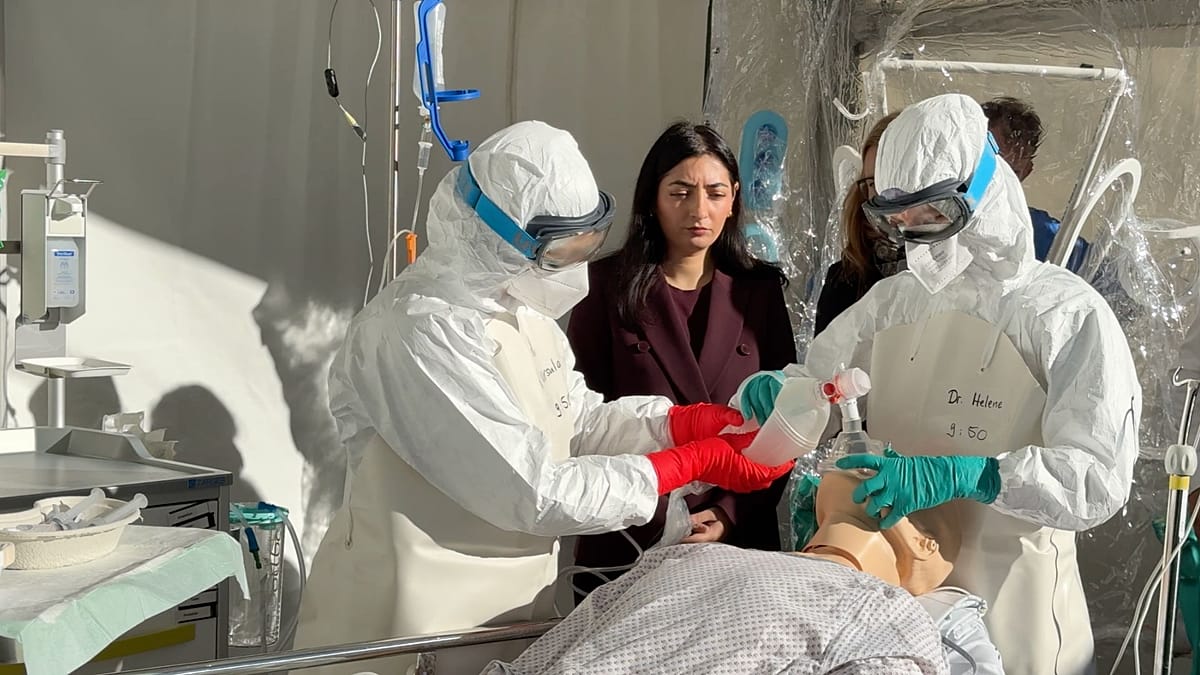
Louise Gotze, an intensive care nurse at Berlin's Charité hospital, recently returned from Entebbe, Uganda, where she led a training session for about 30 doctors and nurses. The focus was on how to care for Ebola patients without becoming infected themselves.
"These training sessions are absolutely essential to ensure that staff do not become infected and that they know how to work safely when they are in the red zone, meaning the area where patients are being treated," Gotze explained.
The stakes are high: around 200 healthcare workers have already contracted the virus while on duty. Maximilian Gertler, an epidemiologist at Charité, estimates that between 800 and 1,000 patients are currently infected or receiving treatment in the Ituri and North Kivu regions.
Building a regional network of expertise
Gotze has travelled to the crisis zone seven times this year, and another trip is already planned. Her ultimate goal is to establish a network of trained professionals across East Africa who can pass on their knowledge to others.
Germany is deploying teams to several countries, including the DR Congo, Kenya, and Uganda, recognising that the virus does not respect borders. "We are currently training a group of around 120 doctors from the partner states of the East African Community," said Gertler. "Graduates of our programme from the DR Congo have also started conducting training sessions themselves in Kinshasa to prepare for the possibility of cases emerging in the capital."
The situation in the DR Congo remains critical. The fatality rate in this outbreak stands at 50%, according to Gertler. The country's proximity to the equator makes protective gear uncomfortable and unsafe to wear for more than 45 to 60 minutes at a time. More than 10,000 protective suits are used daily and must be incinerated to prevent contamination.
To address these challenges, the World Health Organization and partners have developed an innovative solution: transparent plastic screens fitted into the walls of treatment tents. These allow staff to monitor patients without wearing full protective equipment, reducing the number of personnel who need to remain in the "red zone" continuously.
"This can significantly reduce the number of staff who need to remain in protective clothing continuously," Gertler noted.
Germany's Development Ministry has increased its support by €21 million since the outbreak began in June, funding protective equipment and training. Development Minister Reem Alabali-Radovan stressed the importance of proactive investment in global health.
"We cannot prevent outbreaks of infectious diseases and pandemics unless we take active measures. That means it remains important that we continue to invest in global health," she said.
The outbreak has already spread beyond the DR Congo's borders: Kenya has recorded one death, while Uganda has reported several dozen infections. The affected regions are also plagued by conflict, making the work of medical teams even more dangerous.
"Ebola has broken out in regions that are also affected by crises and conflicts. This means medical staff sometimes have to treat patients under life-threatening conditions, if they are even able to reach the affected areas," Alabali-Radovan added.
Ambassador Stephen Patrick Mbundi, Secretary-General of the East African Community, echoed the urgency: "We are trying to take the necessary measures to ensure that the outbreak does not spread across the entire region."
The international response focuses on patient isolation, treatment, and public awareness. However, trust in state institutions remains low in the civil war-torn region, complicating efforts to contain the virus. Germany's commitment, alongside partners like the WHO, aims to build local capacity and resilience against future outbreaks.