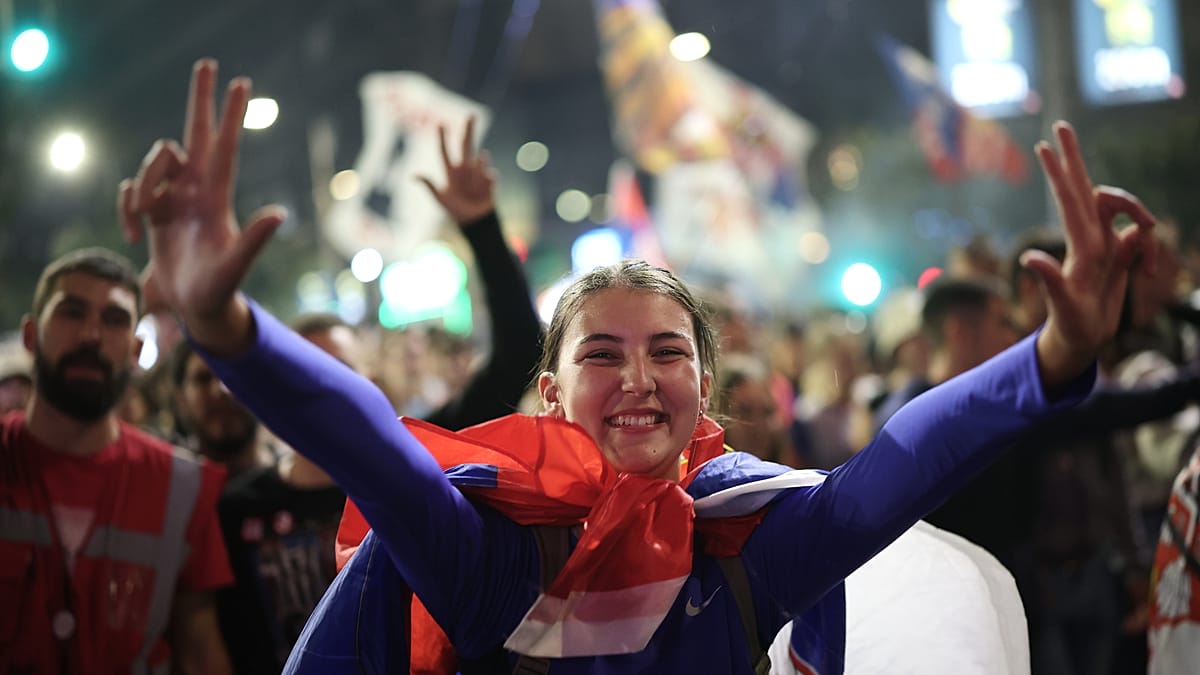
Belgrade's streets swelled with a sea of students on Wednesday as thousands arrived from across Serbia for a final rally ahead of Sunday's snap parliamentary elections. Cheers, music, and waving flags greeted the demonstrators, who converged on the capital in a show of unity that has become a defining feature of the country's political landscape.
The protest, organized by student groups, is the latest in a series of demonstrations that have shaken the government of President Aleksandar Vučić. Organizers say the rally is not just about the elections but about the future of Serbian democracy. They are demanding free and fair elections, an end to media bias, and accountability for alleged corruption.
A movement with deep roots
The student movement emerged from months of frustration over government policies and a perceived lack of transparency. It has drawn support from a broad cross-section of society, including academics, artists, and opposition politicians. Wednesday's rally in Belgrade was the culmination of a week of regional protests, with students traveling from Novi Sad, Niš, Kragujevac, and other cities.
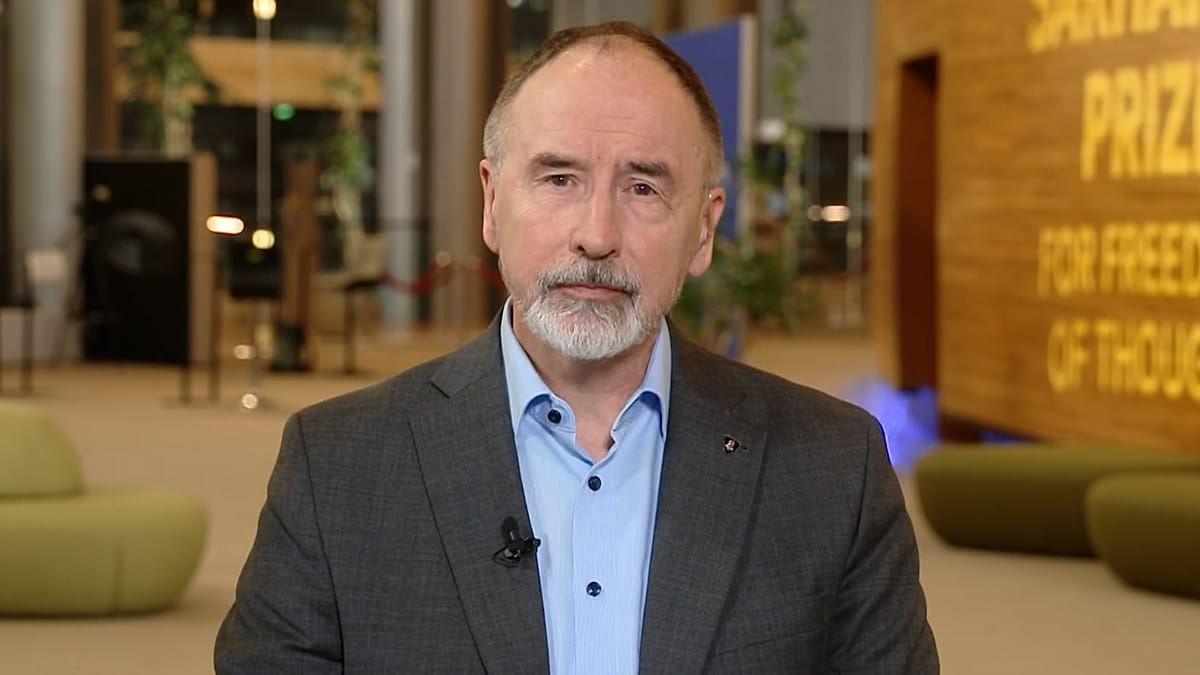
Speaking to European Pulse, one student from Niš said, "We are here because we want a future where our voices matter. The government has ignored us for too long, and this election is our chance to be heard." The sentiment was echoed by many in the crowd, who held banners reading "Stop the lies" and "Our vote, our future."
The timing of the rally is significant. Sunday's snap elections were called by Vučić in an apparent attempt to consolidate power amid growing unrest. However, the student protests have injected an unpredictable element into the campaign, with many observers suggesting that the outcome is far from certain.
International attention
The protests have also drawn international attention, with European Union officials urging Belgrade to ensure the elections meet democratic standards. The EU has repeatedly stressed the importance of free and fair elections for Serbia's accession process. A European Commission spokesperson said, "We are closely monitoring the situation and expect all parties to respect the rule of law."
Serbia's relationship with the EU has been strained in recent years, particularly over its refusal to join sanctions against Russia and its close ties with Moscow. The student protests have added another layer of complexity, as they highlight domestic dissatisfaction with the government's direction.
In a related development, France has announced it will deploy troops ahead of weekend protests in Paris, while Italy has expanded police powers, reflecting broader concerns about civil unrest across Europe. These measures come as governments grapple with rising public anger over economic and political issues. France's troop deployment underscores the tense atmosphere in many European capitals.
A test for democracy
For many in Belgrade, Wednesday's rally was a test of the country's democratic resilience. "This is not just about elections," said a professor from the University of Belgrade who joined the protest. "It's about whether we can have a society where the government listens to its people."
The student movement has drawn comparisons to other youth-led protests in Europe, such as the recent student demonstrations in France, where a nonsensical slogan became a rallying cry for change. That movement showed how young people can channel frustration into a powerful political force.
As Sunday approaches, the atmosphere in Belgrade is tense but hopeful. The students have vowed to remain vigilant, and their presence has already changed the tone of the campaign. Whether their demands will be met remains to be seen, but their impact on Serbian politics is undeniable.
In the meantime, the government has called for calm and urged citizens to vote. Vučić has dismissed the protests as politically motivated, but the crowds on the streets suggest otherwise. The coming days will reveal whether Serbia's leaders are willing to heed the call for change.