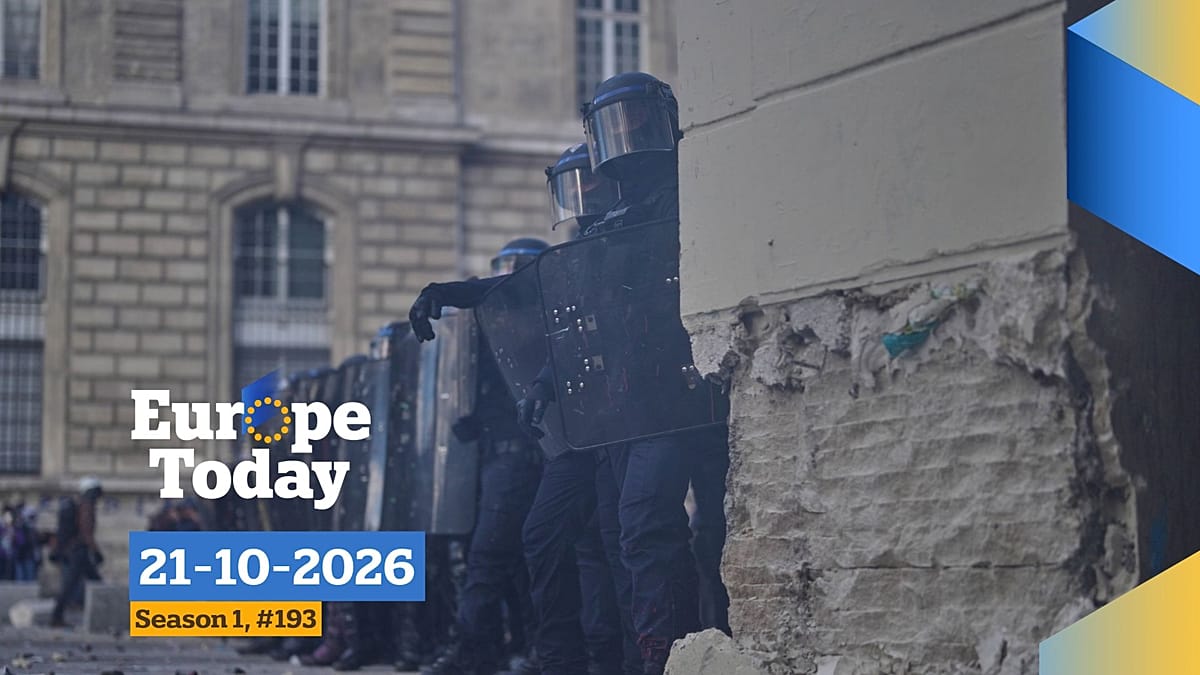
France will deploy soldiers to its streets before another round of weekend demonstrations, after several days of violence and vandalism that have shaken cities across the country. The decision marks a significant escalation in the state's response to unrest that has spread from urban peripheries to the centre of political debate.
Christophe Rouillon, the mayor of Coulaines, told Euronews that curfews are helping to restore calm, but he stressed that parents also carry substantial responsibility for keeping young people off the streets. His comments reflect a broader debate in France about the roots of the disorder and the limits of policing alone.
In Strasbourg, the European Parliament became a stage for the confrontation. Far-right and far-left MEPs clashed over the French unrest, with Fabrice Leggeri of the Patriots for Europe group speaking from the chamber. He was asked who bears responsibility, whether the army should be deployed, and how to address the underlying causes — questions that now dominate French political life.
Italy tightens its grip as unrest crosses borders
Italy is giving police new powers in response to its own wave of cost-of-living protests, following the deployment of 500 troops to Milan after violent demonstrations there. The move signals that Rome, like Paris, is preparing for a prolonged period of social tension.
The pattern is not confined to Western Europe. In Albania, protests have entered a second week, with Prime Minister Edi Rama blaming what he calls hybrid warfare for the unrest shaking Tirana. The accusation adds a geopolitical dimension to domestic discontent.
In Greece, teachers and students are striking and rallying in Athens today over the cost of living, housing and low wages. Apostolos Staikos reports that the government is watching the demonstrations closely ahead of elections next year, well aware that economic grievances can reshape electoral fortunes.
Across the continent, inflation protests have spread as the EU weighs its limited role in addressing the crisis. The European Commission has few direct levers over national wage and housing policies, leaving member states to manage the fallout largely on their own.
Diplomacy and strategy in Oslo and Brussels
In Oslo, US envoy Steve Witkoff met Volodymyr Zelenskyy and European leaders before travelling to Moscow today. Sasha Vakulina reports that the talks offered little sign of a breakthrough, but the sequence of meetings underscores the continued diplomatic effort to find a path out of the war.
Meanwhile, Germany's ambassador to the EU, Thomas Ossowski, told Stefan Grobe that Berlin — the bloc's largest contributor — sits at the centre of a fight over whether the EU is trying to build a budget it cannot afford. The debate over fiscal capacity is likely to intensify as member states confront competing priorities.
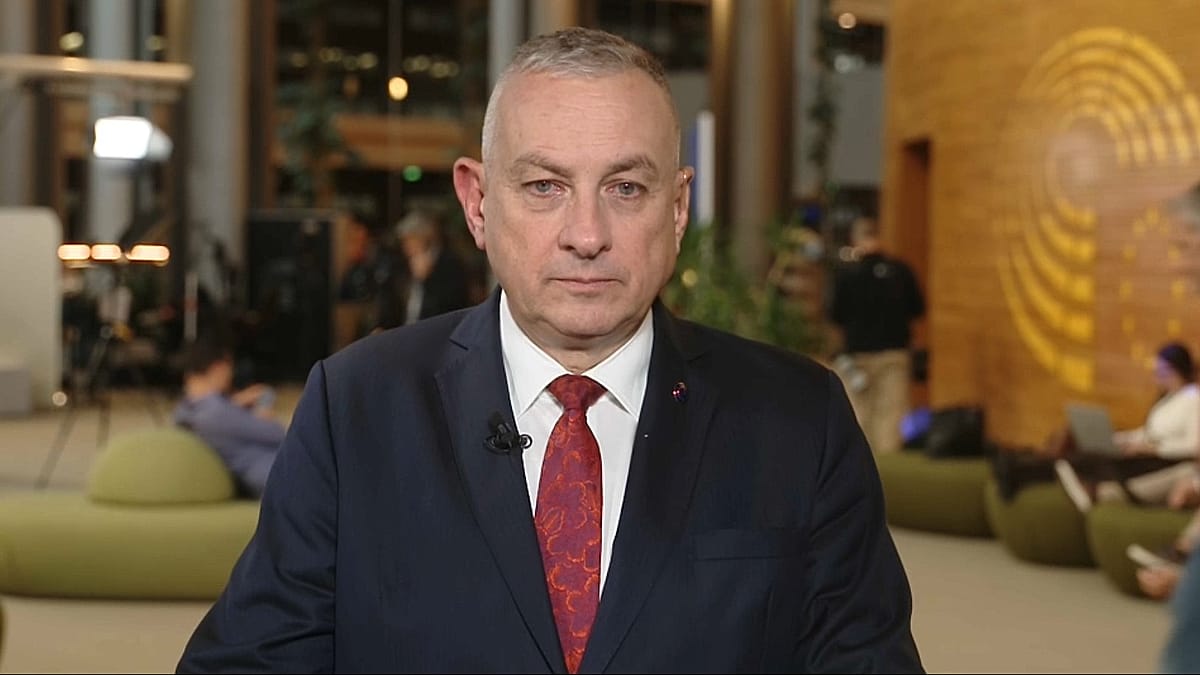
Jozef Síkela, the EU Commissioner for International Partnerships, explained to Mared Gwyn why the Commission is unveiling a new Arctic strategy now, focused on peace and security and pushing to keep oil, coal and gas in the ground. The strategy reflects a growing European interest in the high north as both a strategic and environmental frontier.
From Paris to Tirana, from Athens to Oslo, the common thread is a continent under strain — tested by social unrest, economic pressure and geopolitical uncertainty. How European governments respond in the coming weeks will shape not only their domestic politics but the wider credibility of the European project.