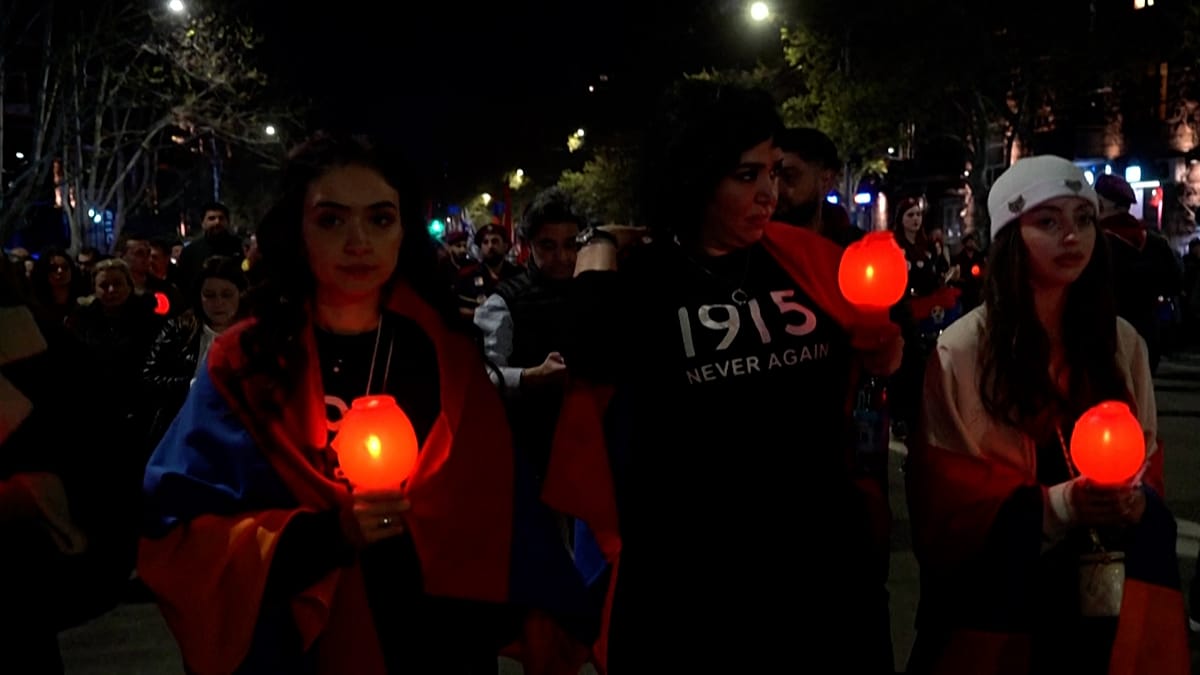
On 23 and 24 April 2026, Armenia marked the 111th anniversary of the 1915 massacres with solemn marches and ceremonies in the capital, Yerevan. Thousands of citizens, officials, and foreign dignitaries gathered to honour the memory of the estimated 1.5 million Armenians who perished during the Ottoman Empire's campaign of deportation and violence.
The commemoration, held annually on 24 April, is a deeply significant event for Armenians worldwide. This year's observance comes amid ongoing tensions in the South Caucasus, but also against a backdrop of cautious economic openings, such as the first cross-border trade between Armenia and Azerbaijan in years.
Ceremonies and Remembrance
The main ceremony took place at the Tsitsernakaberd memorial complex, where participants laid flowers at the eternal flame. President Vahagn Khachaturyan and Prime Minister Nikol Pashinyan were among the officials who paid their respects. The event featured a moment of silence, speeches, and the lighting of candles, as well as cultural performances reflecting Armenian heritage.
In the days leading up to the anniversary, Yerevan hosted a series of educational and cultural events, including exhibitions and film screenings, aimed at preserving the memory of the genocide and educating younger generations. The Armenian diaspora also held commemorations in cities such as Paris, Los Angeles, and Beirut.
The 1915 massacres are recognised as genocide by many countries, including France, Germany, and Italy, as well as by the European Parliament. However, Turkey continues to reject the term, maintaining that the deaths were part of a broader conflict and not a systematic extermination. This dispute remains a significant obstacle in Ankara's relations with Yerevan and with the European Union.
For Armenia, the anniversary is not only a day of mourning but also a call for international recognition and justice. The country has long lobbied for broader acknowledgment of the genocide, a stance that has gained traction in recent years as more parliaments and international bodies have adopted resolutions.
This year's commemoration also highlighted the resilience of the Armenian people, who have rebuilt their nation after decades of Soviet rule and a devastating war in Nagorno-Karabakh. The event served as a reminder of the ongoing challenges facing the region, including the need for lasting peace and stability.
As Europe continues to grapple with its own historical legacies, the Armenian Genocide remains a poignant example of the importance of remembrance and reconciliation. The anniversary in Yerevan underscores the enduring impact of the past on the present, and the collective responsibility to prevent such atrocities from recurring.



