EU Trade Commissioner Maroš Šefčovič is scheduled to meet his US counterpart, Jamieson Greer, in Paris on Tuesday, as tensions between Brussels and Washington escalate following President Donald Trump’s threat to impose a 25% tariff on European automobiles. The meeting, arranged ahead of a G7 trade ministers’ gathering in the French capital, was planned before Trump’s latest salvo, but now offers a potential channel to de-escalate a rapidly deteriorating trade relationship.
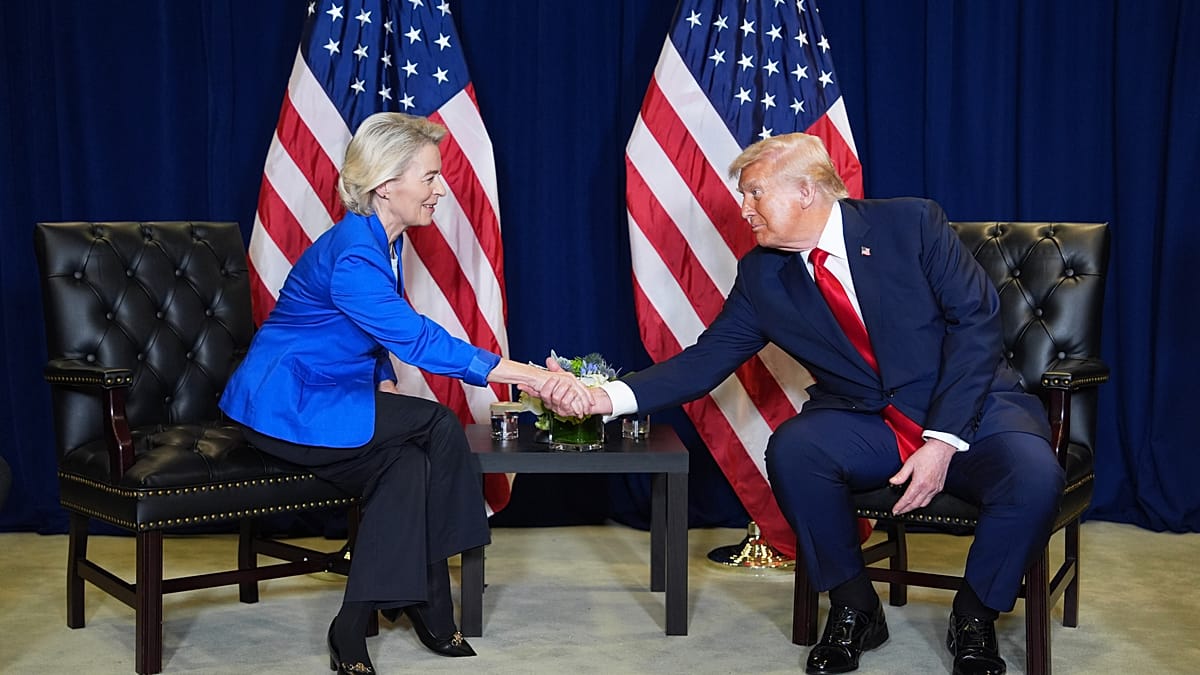
The threat, which would breach the terms of the EU-US trade agreement struck last summer at Turnberry in Scotland between Trump and European Commission President Ursula von der Leyen, has put the bloc on alert. That deal capped US tariffs on EU goods at 15%, and the Commission has warned that any unilateral action by Washington would be met with a firm response.
Brussels Strikes a Calm Tone
On Monday, the European Commission sought to project composure. “It’s not the first time we have seen threats,” spokesperson Thomas Regnier told reporters, adding: “We remain very calm, focused on enforcing the joint statement in the interests of our companies, of our citizens.” The statement referred to the Turnberry accord, which is still being negotiated between EU governments and lawmakers before it can take effect on the European side.
The timing of Trump’s threat is notable. It follows German Chancellor Friedrich Merz’s criticism of the US approach to the war in Iran and Washington’s announcement that it would withdraw 5,000 troops from Germany. These moves have further strained transatlantic relations, already frayed by Trump’s earlier trade disputes and his administration’s unilateralist stance.
German MEP Bernd Lange (S&D), chair of the European Parliament’s trade committee, told Euronews that Trump’s tariff threat was aimed specifically at German car manufacturers. “All options remain open,” the Commission reiterated on Monday, warning that if the US takes measures deemed “inconsistent” with the trade deal, it reserves the right to consider all options. Last year, during the trade dispute that followed Trump’s return to power, the EU executive prepared a package targeting €95 billion worth of US products, though the measures were later suspended.
The Turnberry deal is currently being negotiated between EU governments and lawmakers before it can enter into force on the EU side. Co-legislators must still agree on the modalities for cutting EU tariffs on US goods to zero, as outlined in the agreement. MEPs have nonetheless introduced safeguards to ensure the EU is not the only party adhering to its commitments and to protect the bloc from future US threats.
The meeting in Paris comes at a critical juncture for European trade policy. The EU is also pursuing other major trade deals, such as the EU-Mercosur pact, which took provisional effect amid legal challenges, and the bloc is keen to diversify its trade relationships. Meanwhile, the US has been pushing for digital trade talks, but the EU has made clear it will not scrap its tech rules, as Trade Commissioner Šefčovič has stated.
As the two sides prepare to meet, the stakes are high. A 25% tariff on EU automobiles would hit German carmakers particularly hard, but the broader impact would be felt across the continent. The EU has made clear it will not back down, and the coming days will test whether dialogue can prevent a full-blown trade war.