After more than 25 years of negotiations, the free-trade agreement between the European Union and the Mercosur bloc—Argentina, Brazil, Paraguay, and Uruguay—entered provisional effect on Friday. European Commission President Ursula von der Leyen moved forward with the provisional application, sidestepping a full parliamentary vote on ratification, even as a legal challenge against the deal is pending before the Court of Justice of the European Union.
“Provisional application will show the agreement’s tangible benefits,” von der Leyen wrote on X. “And how legitimate sensitives have been addressed.” She is expected to hold a video conference with Mercosur leaders later on Friday to mark the occasion.
The agreement eliminates tariffs on the majority of trade between the two sides, creating a free-trade zone encompassing more than 700 million people. Von der Leyen described the deal as “good news for EU businesses of all sizes, good news for our consumers and good news for our farmers, who will gain valuable new export opportunities, with full protection for sensitive sectors.”
Opposition from Paris and European Farmers
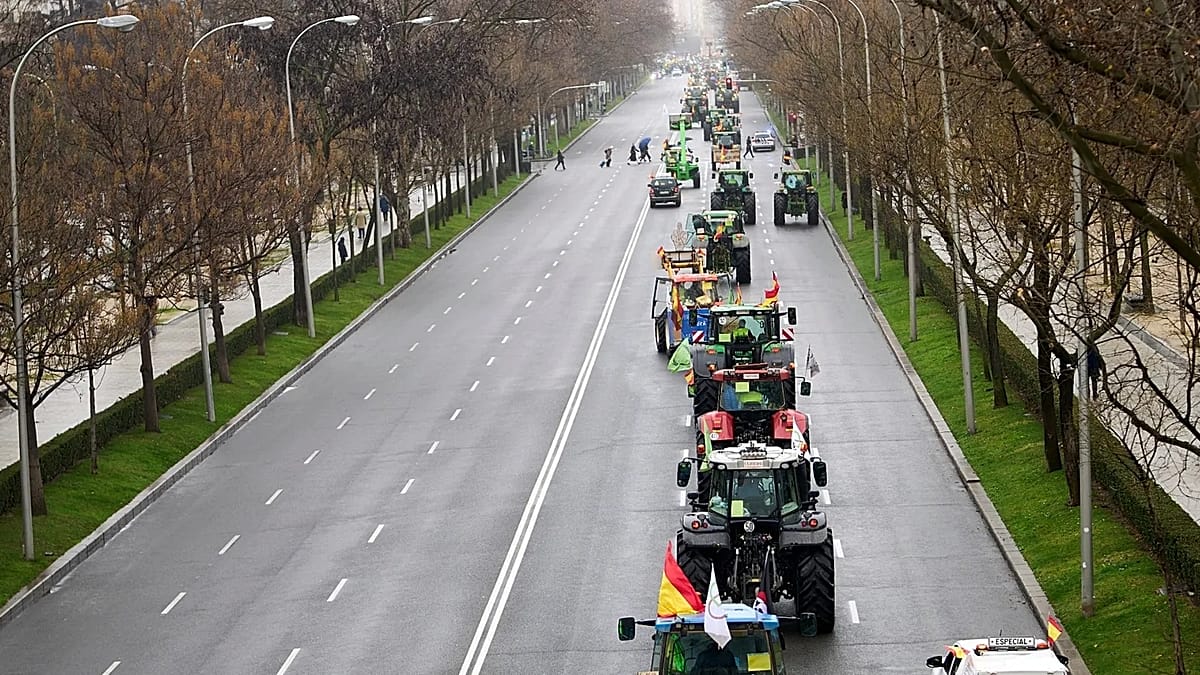
Not all EU member states share the Commission’s enthusiasm. France has been at the forefront of opposition, with Paris arguing that the deal could weaken environmental standards and regulations while damaging the EU’s agricultural sector. Many European farmers have also voiced discontent; in the weeks leading up to the signing, they took to the streets with tractors in cities such as Brussels to protest what they see as unfair competition from Mercosur imports.
At the European Parliament, opponents secured a majority to refer the agreement to the Court of Justice of the European Union for a legality assessment. If the court rules against the deal, its provisional application would be halted.
Under pressure from supporters like Germany and Spain—eager to access new markets amid rising geoeconomic tensions—von der Leyen opted for the provisional route. The Commission could only proceed after at least one Mercosur country ratified and notified the agreement. Brazil, Argentina, and Uruguay have already done so, with Paraguay expected to follow.
“Nothing better than believing in the exercise of democracy, in multilateralism and in cordial relations between nations,” Brazilian President Luiz Inácio Lula da Silva said at a ceremony in Brasília celebrating the development.
Critics, including some MEPs, have warned that the quota system in the deal could favor large agribusinesses over smaller European producers. The European Commission, however, maintains that the agreement includes safeguards for sensitive sectors and upholds EU standards. The provisional application allows the deal to take effect while the legal challenge proceeds, a move that has deepened divisions within the bloc over trade policy and its broader geopolitical strategy.