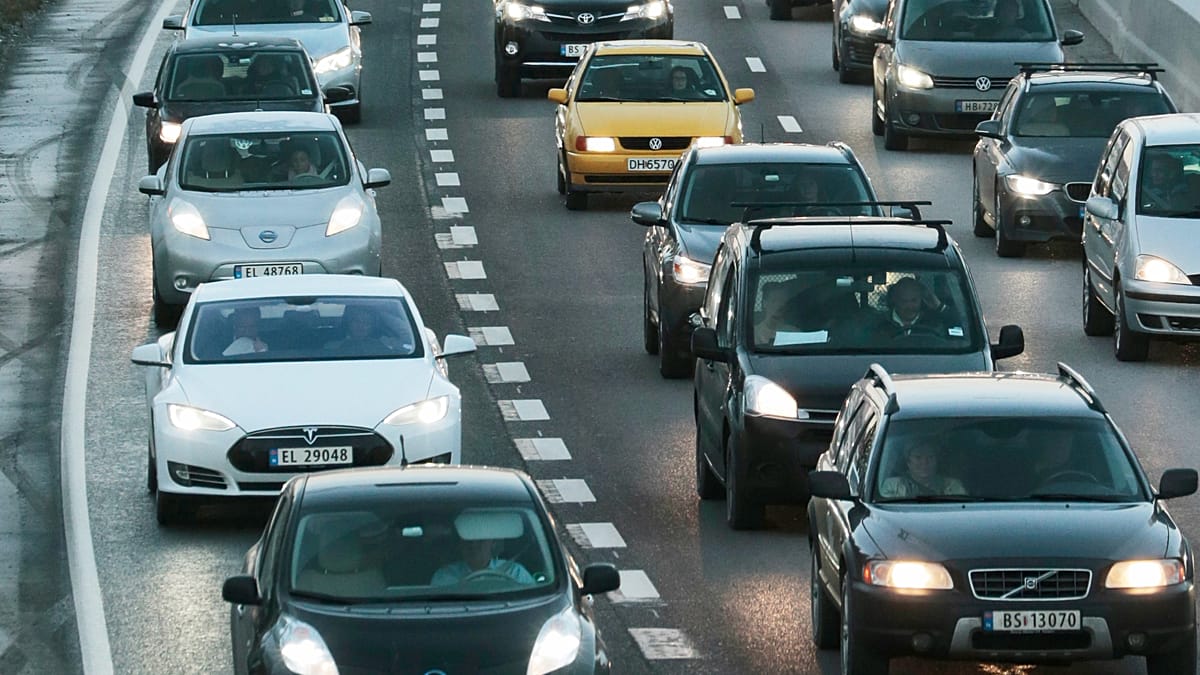
New battery-electric vehicle (BEV) registrations across the European Union surged 48.9% in March compared to the same month in 2025, according to data released by the European Automobile Manufacturers’ Association (ACEA). The milestone marks a significant acceleration in the continent's shift away from internal combustion engines, with BEVs now accounting for more than 20% of the total EU car market in March and 19.4% in the first quarter—up from 15.2% a year earlier.
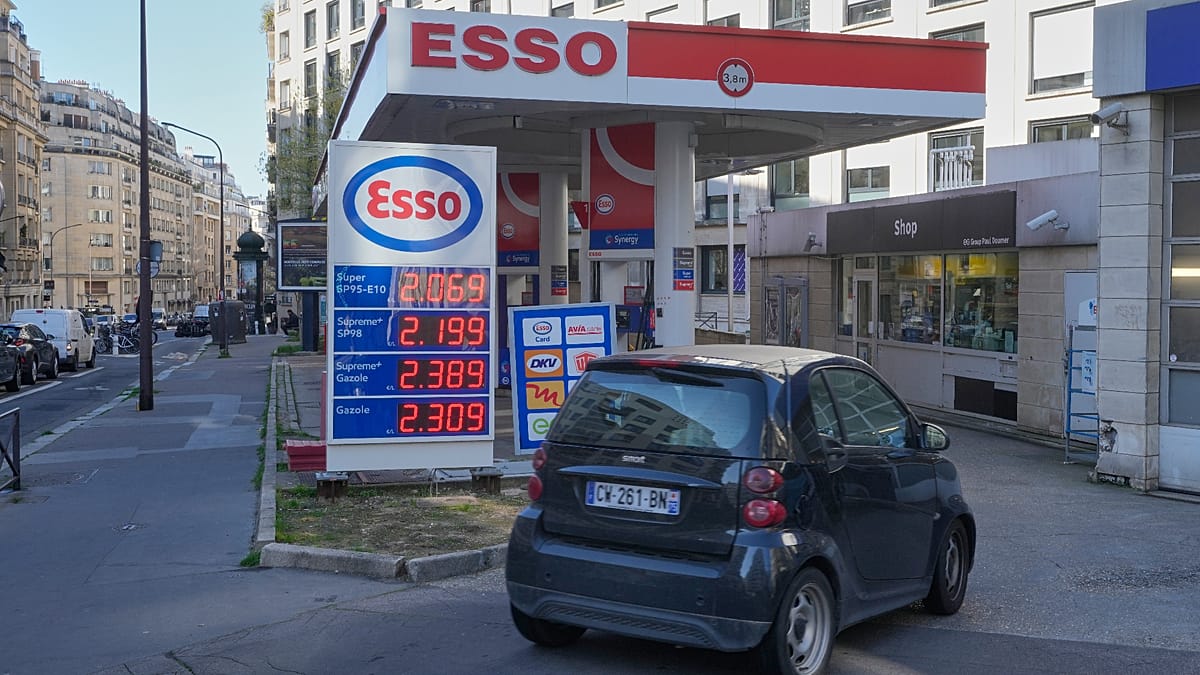
The growth comes against a backdrop of heightened geopolitical tension. The ongoing Iran war and the blockade of the Strait of Hormuz have disrupted global oil and gas supplies, driving fuel price volatility across Europe. As EU Energy Chief Warns of Prolonged Price Hikes from Middle East Conflict, the cost of running petrol and diesel cars has become increasingly unpredictable, making the lower running costs of electric vehicles more attractive to consumers.
Policy incentives and market shifts
The ACEA report attributes much of the BEV growth to new and revised tax benefits and incentive schemes introduced in major European economies. These measures have helped offset the higher upfront cost of electric cars and are accelerating the transition. However, the market remains diverse: hybrid-electric vehicles (HEVs) still hold the largest individual share at 38.6%, with registrations surpassing 1 million units in the first quarter. Plug-in hybrids (PHEVs) also grew, rising to a 9.5% share from 7.6% a year earlier.
Internal combustion engine vehicles continue to lose ground. Petrol car registrations dropped significantly in the first quarter, falling from 28.7% of the market in 2025, while diesel's share shrank to just 7.7%. Overall car sales in the EU grew by 4% in the first quarter compared with the same period in 2025, driven largely by these policy supports.
The ACEA noted that demand for hybrids remains robust, supporting a “technology-neutral” approach to decarbonisation. This allows for a gradual transition that reflects differing consumer needs and the uneven distribution of charging infrastructure across Europe. The challenge of scaling up battery production and recycling is also pressing, as highlighted by Europe's Late Start in Metal Recycling Threatens Energy Transition Goals.
Western Europe's Big Four show varied progress
Among the continent's largest auto markets—Italy, France, Germany, and the UK—the pace of electrification varied but remained strong. Italy recorded the fastest BEV growth in the EU, with a 65.7% increase in registrations during the first quarter. France followed with a 50.4% rise, while Germany posted a 41.3% increase. The UK mirrored this trend, registering over 86,000 new BEVs in March alone, a 24.2% jump compared to the same month in 2025.
However, the transition has come at a cost for traditional fuel vehicles. Petrol and diesel sales plummeted across these key markets. France saw the most dramatic contraction, with registrations falling by 40.3%. Italy, Germany, and the UK also reported double-digit declines in this category, reflecting a broader shift in consumer sentiment and policy direction.
The geopolitical pressures are not only accelerating EV adoption but also reshaping Europe's energy strategy. As European Leaders Face Critical Energy Reset Amid Global Tensions, the reliance on fossil fuels is becoming increasingly untenable. The Iran conflict has effectively penalised owners of petrol and diesel cars through sustained high prices, making the economic case for EVs stronger than ever.
Yet challenges remain. The rapid growth in EV sales will require significant investment in charging infrastructure and grid capacity, as well as a secure supply of critical minerals. The ACEA's data underscores that while the shift is underway, it is neither uniform nor complete. Hybrids continue to play a bridging role, and the pace of change varies widely between member states. For now, the combination of policy incentives and external energy shocks is proving a powerful driver of Europe's automotive transformation.