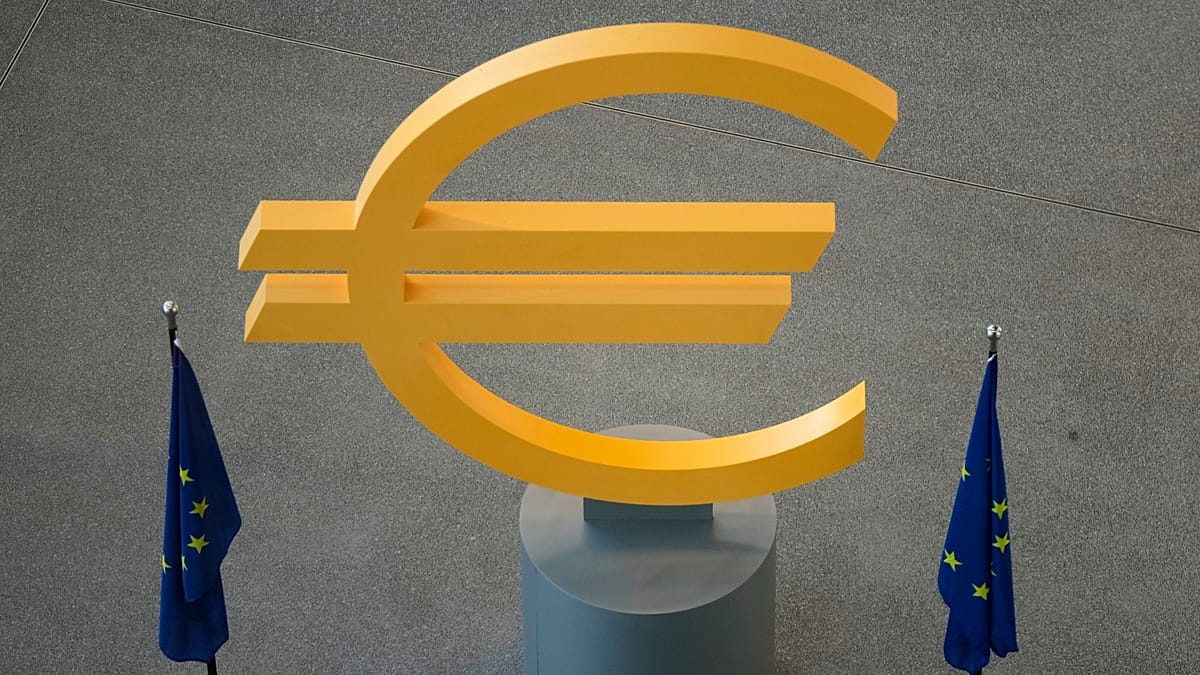
The European Central Bank left its key interest rate unchanged at 2% on Thursday, marking the third consecutive meeting without a change. The decision, widely anticipated by markets, comes as the eurozone grapples with rising inflation and slowing economic growth — a combination that increasingly resembles stagflation.
The Frankfurt-based institution held its deposit facility rate at its lowest level in over two years, a sign that policymakers are treading carefully amid heightened geopolitical uncertainty. In its statement, the ECB said incoming data had broadly confirmed its previous inflation outlook, but noted that risks were shifting: price pressures are building on the upside while growth is weakening on the downside.
Stagflationary Pressures Build
Fresh data published Thursday deepened concerns about the health of the 20-country currency bloc. Headline inflation jumped to 3% in April, well above the ECB's 2% target. Core inflation, which excludes volatile energy and food costs, held steady at 2.2%. Meanwhile, GDP growth slowed to 0.8% year-on-year in the first quarter of 2026, down from earlier forecasts.
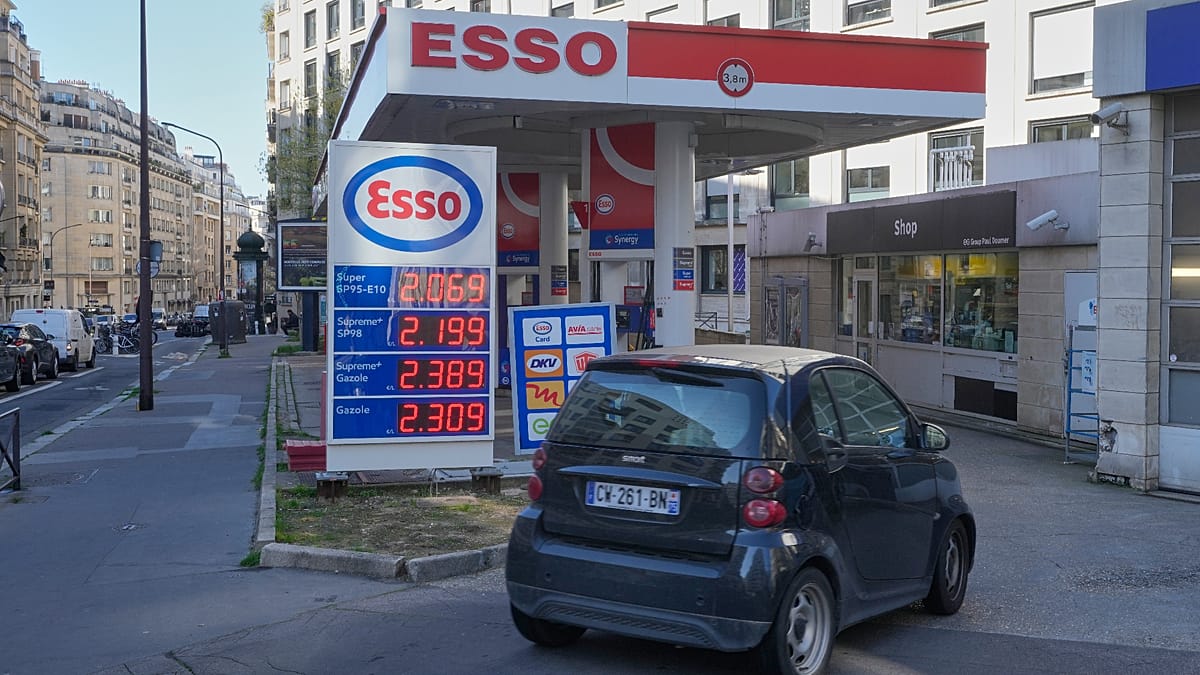
Major economies such as Germany and Italy have already cut their growth projections as energy costs climb. The situation has been exacerbated by the ongoing conflict in the Middle East, which has driven up oil and gas prices. The ECB acknowledged that the war in the Middle East has led to a sharp increase in energy prices, pushing up inflation and weighing on economic sentiment.
For a deeper look at the inflation dynamics, see our analysis: Eurozone Inflation Hits 3% as Oil Spike and Stalled Growth Raise Stagflation Fears.
Lagarde Warns of Unpredictable Geopolitical Impact
The rate decision was preceded by unusually high uncertainty. ECB President Christine Lagarde warned last week that the "stop-start nature" of the Iran war is making the economic outlook exceptionally hard to assess. She noted that the cycle of war, ceasefire, peace talks, their collapse, naval blockades, and their reinstatement creates a volatile environment that complicates monetary policy.
"War, ceasefire, peace talks, their collapse, a naval blockade, its lifting, its reinstatement — makes it exceptionally hard to gauge the duration and depth of the consequences," Lagarde said. Her remarks underscore the difficulty central bankers face in distinguishing temporary energy-driven price spikes from more persistent inflationary pressures.
The ECB reaffirmed its commitment to bringing inflation back to its 2% target over the medium term, but offered no clear guidance on future moves. For now, policymakers appear to be in wait-and-see mode, monitoring whether energy-driven inflation feeds through into broader price pressures.
The impact of rising energy costs is already visible across the continent. In Germany and Spain, inflation has ticked higher, as detailed in our report: Energy Costs Drive Inflation Higher in Germany and Spain Ahead of ECB Rate Decision.
Looking ahead, the ECB's balancing act is becoming more delicate. With growth slowing and inflation stubbornly above target, the central bank must weigh the need to support a faltering economy against the imperative to keep prices in check. The geopolitical backdrop — particularly the volatility in energy markets — adds a layer of complexity that is unlikely to dissipate soon.
In response to the energy crisis, the EU has been accelerating its push for renewables and nuclear power, as covered in: EU Accelerates Renewables and Nuclear Push After Strait of Hormuz Closure. However, such structural shifts take time, leaving the ECB to manage the immediate macroeconomic fallout.