The closure of the Strait of Hormuz has sent energy prices soaring across Europe, prompting the European Commission to accelerate its long-term strategy away from fossil fuels. On April 13, Commission President Ursula von der Leyen revealed that the conflict between the United States and Iran had added €22 billion to the continent's fossil fuel import bills in just 44 days, with no additional energy supply to show for it.
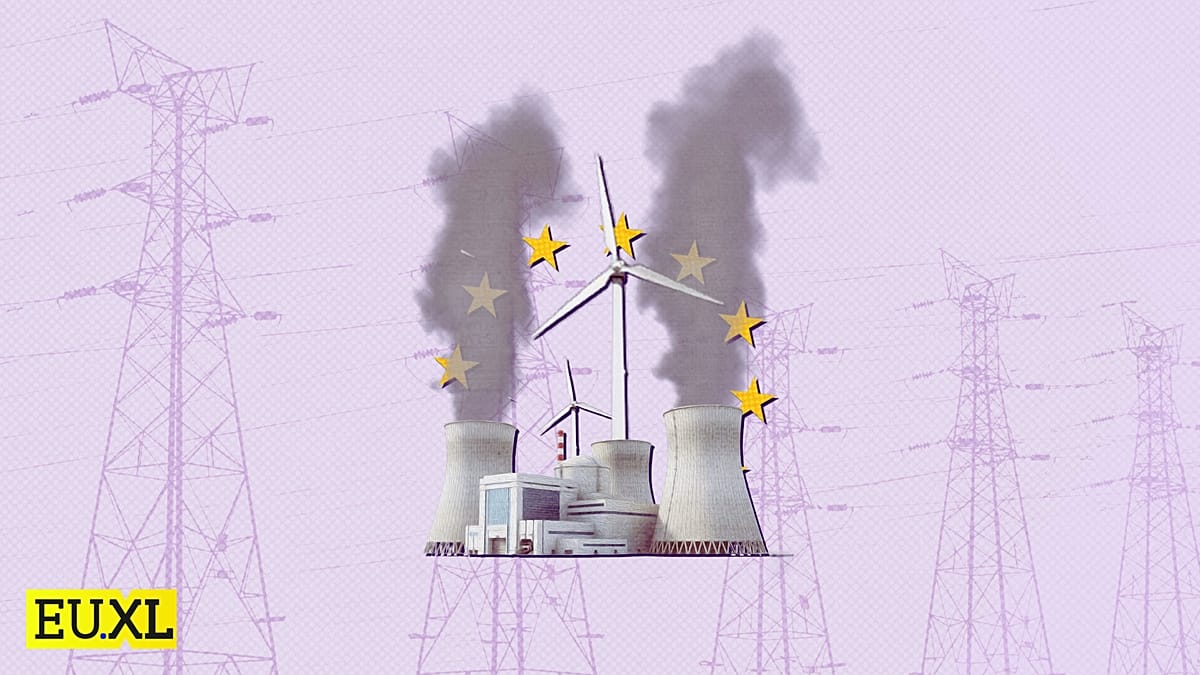
In response, Brussels is doubling down on two pillars of its energy transition: renewables and nuclear power. These sources already account for over 70% of Europe's electricity, but the Commission acknowledges significant hurdles. Limited storage capacity, outdated grid infrastructure, and wasted clean power are key bottlenecks that need urgent resolution.
Grid Modernisation and Emergency Measures
The Commission is expediting its grid modernisation package, aiming for implementation this summer. This initiative is designed to integrate more renewable energy and reduce curtailment, where excess clean power is wasted due to grid constraints. The urgency is underscored by the broader climate crisis, as highlighted in the Copernicus Report, which warns of escalating threats to food, health, and the economy across Europe.
On April 22, the Commission announced an emergency package that includes coordinated EU gas storage, joint releases from strategic oil reserves, household income support, and expedited flexible state aid rules. These measures aim to cushion the immediate impact on consumers and businesses while the longer-term transition takes shape.
Nuclear Energy Returns to the Forefront
Nuclear power has re-emerged as a central element of Europe's energy debate. Fifteen member states have rallied behind the European Nuclear Alliance, advocating for a stronger role for atomic energy in the continent's mix. There is also growing momentum to deploy Small Modular Reactors (SMRs) by the early 2030s, which proponents argue could offer a more flexible and cost-effective alternative to traditional large-scale plants. This shift is part of a broader rethink of energy strategy across the continent.
The revival of nuclear power is not without controversy. Some member states, particularly Austria and Germany, remain sceptical due to safety and waste concerns. However, the current crisis has shifted the political calculus, with countries like France, Poland, and the Czech Republic pushing for nuclear to be classified as a sustainable investment under EU taxonomy rules.
Geopolitical and Economic Fallout
The Strait of Hormuz closure has exposed Europe's vulnerability to geopolitical shocks in energy-producing regions. The World Bank has warned that the Iran conflict could trigger the sharpest energy price spike since 2022, compounding inflationary pressures and straining household budgets. In Malta, Prime Minister Robert Abela has called a snap election for May, partly driven by energy concerns, as the crisis reverberates through national politics.
The crisis has also reignited debates about EU fiscal solidarity. French President Emmanuel Macron has revived calls for Eurobonds to finance energy investments, a proposal that has historically divided northern and southern member states. The Commission's expedited state aid rules may provide some flexibility, but deeper fiscal integration remains contentious.
As Europe navigates this dual challenge of immediate price shocks and long-term decarbonisation, the coming months will test the resilience of its energy infrastructure and the political will of its leaders. The outcome will shape not only the continent's energy security but also its climate commitments for decades to come.