The World Bank's latest Commodity Markets Outlook, released on Tuesday, forecasts a 24% surge in energy prices this year, driven by the ongoing Iran war and the effective blockade of the Strait of Hormuz. This projected increase marks the most significant energy price spike since Russia's full-scale invasion of Ukraine in 2022, threatening to entrench high inflation and stall economic progress, particularly in developing nations.
According to the report, global commodity markets are facing their most volatile period in four years, with energy and fertiliser prices expected to lead a broad 16% rise in overall commodity costs during 2026. The regional instability has already caused the largest oil supply disruption on record, with global production falling by over 10 million barrels per day during the crisis. While some prices have moderated from initial peaks, the study warns that lingering effects of infrastructure attacks and shipping bottlenecks in the Strait of Hormuz will keep energy costs elevated for the foreseeable future.
Analysts suggest that the current turmoil has effectively reversed the downward trend in commodity prices observed throughout the previous year, creating an environment of stagflation and complicating central banks' efforts to manage interest rates. Ayhan Kose, the World Bank's deputy chief economist, stated that governments must resist the temptation of broad and untargeted fiscal support that could distort markets. Instead, he urged a focus on temporary aid for the most vulnerable households to navigate the coming months of economic uncertainty.
Oil and gas markets in the eye of the storm
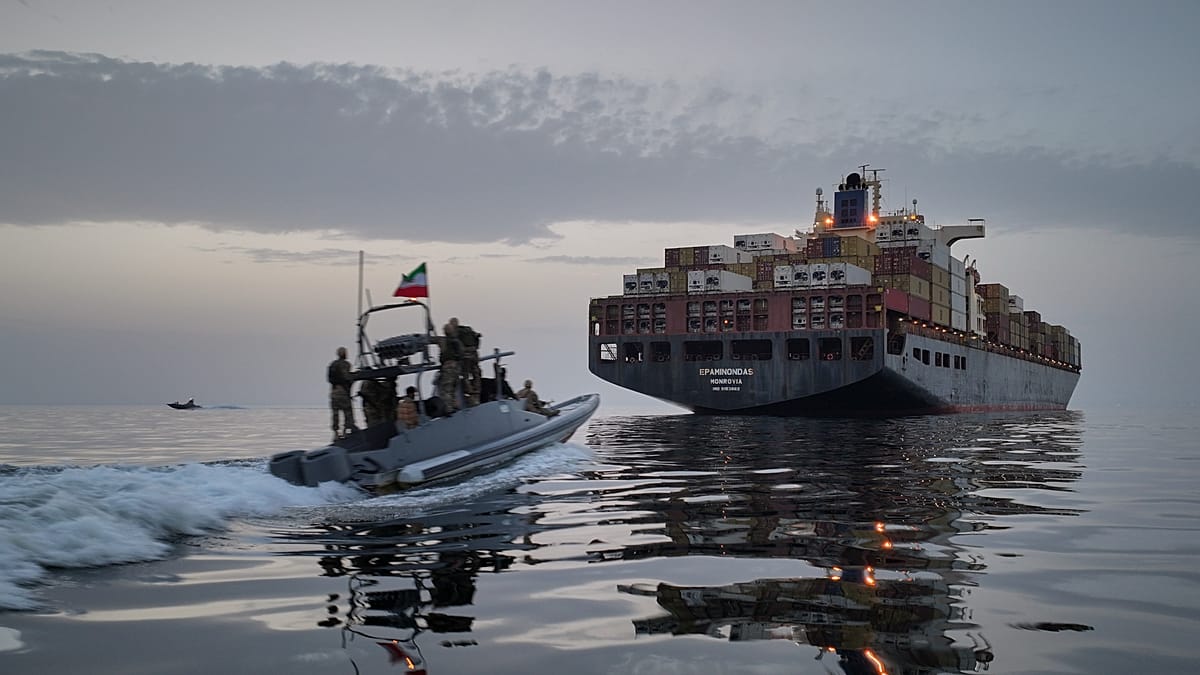
The primary driver of the current market instability is the unprecedented disruption to shipping routes in the Middle East. The Strait of Hormuz, a critical maritime passage handling approximately 20% of the world's seaborne crude oil trade, has seen effectively a halt on traffic during the war. The World Bank now forecasts Brent crude oil to average $86 a barrel throughout 2026, a sharp increase from the $69 average recorded in 2025. This forecast assumes that the most severe disruptions will begin to ease by May and that shipping volumes will gradually return to pre-war levels by the end of the year. At the time of writing, US benchmark crude, WTI, is above $102 a barrel, while Brent crude, the international standard, is over $110 for the first time in three weeks.
The UAE also announced on Tuesday that it is leaving OPEC and OPEC+ effective on 1 May, with the UAE energy minister citing a restructuring of the country's energy strategy "to help meet changing demand" and promising a "gradual boost to oil production." It remains to be seen whether the added supply will contribute to lowering prices or if less coordination among major oil suppliers will prove disadvantageous amid the crisis. The World Bank warns that if the conflict proves more protracted or spreads to involve more regional actors, the pressure on prices will only intensify. Even under the current baseline, the shock has already caused significant ripples through other energy sectors.
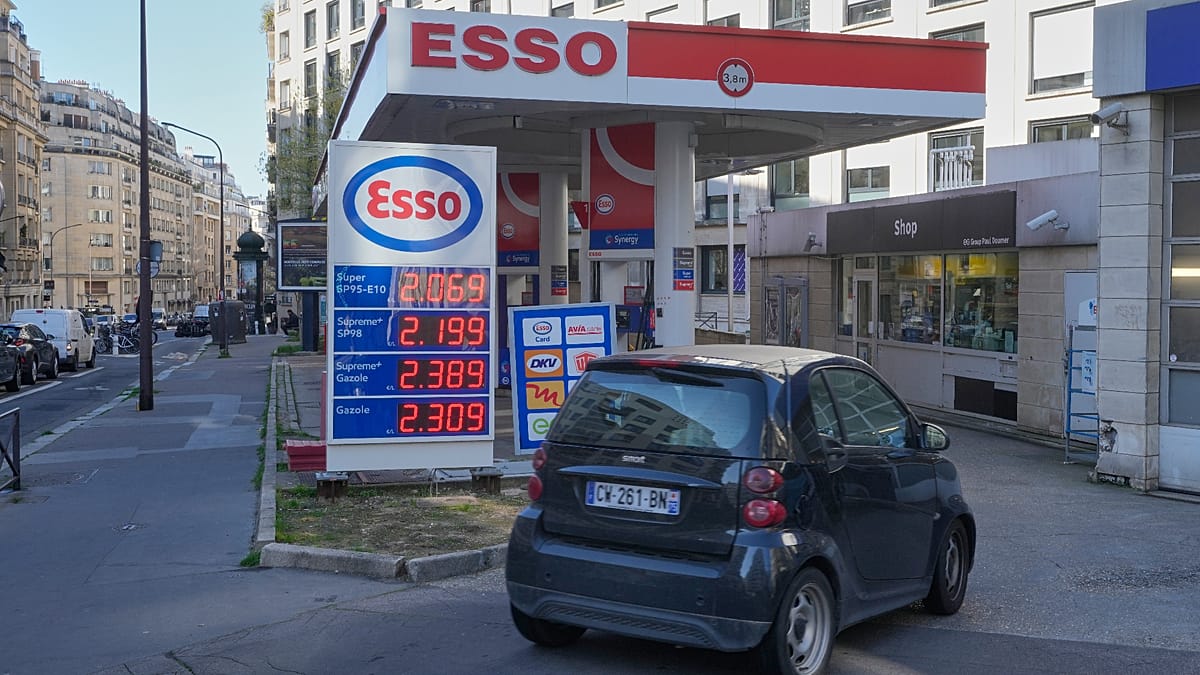
The study shows that volatility in the oil market has direct consequences for natural gas and liquefied natural gas (LNG) benchmarks, as countries scramble to secure alternative energy supplies. The European Union has already spent over €27 billion in additional costs for fossil fuel imports since the Iran war began. The IEA is already calling the situation the biggest energy security threat in history. This heightened cost of fuel is expected to dampen global growth, with serious implications for job creation and industrial development across both emerging and advanced economies. This month, the IMF cut its 2026 global growth forecast to 3.1%, down 0.2% from its previous projection, and lowered its estimate for the eurozone to 1.1% from 1.4%. The war also drove the IMF's global inflation expectations up to 4.4%, and if energy volatility persists into 2027, the fund warns of a "severe scenario" where global growth could plummet to 2%.
The crisis is already reshaping European energy policy. Europe rethinks energy strategy: nuclear returns as a pillar of the mix as governments seek to reduce dependence on volatile fossil fuel imports. Meanwhile, Macron revives Eurobonds push as energy crisis strains EU unity, highlighting the political tensions the crisis is creating within the bloc. The impact is also being felt in the aviation sector, with European airlines grounding flights as jet fuel costs surge.
Geopolitical volatility and the ripple effect
A special focus section of the World Bank report highlights the disproportionate impact of geopolitical risk on market stability. The analysis finds that oil price volatility during periods of rising conflict is roughly twice as high as during calmer periods. Specifically, the study indicates that a geopolitically driven 1% decline in global oil production typically pushes prices up by an average of 11.5%. These shocks have a powerful "spillover" effect, with the impact on other commodity markets being about 50% larger than under normal conditions. According to the report, a 10% increase in oil prices triggered by a geopolitical shock leads to natural gas prices peaking 7% higher and fertiliser prices rising by more than 5% approximately one year later.
The broader implications for Europe are stark. The crisis is exacerbating existing economic challenges, from inflation to industrial competitiveness. As the continent grapples with the fallout, the World Bank's warnings serve as a stark reminder of the interconnectedness of global energy markets and the fragility of supply chains. For European policymakers, the immediate priority is to cushion the blow for the most vulnerable while accelerating long-term investments in energy independence and diversification.