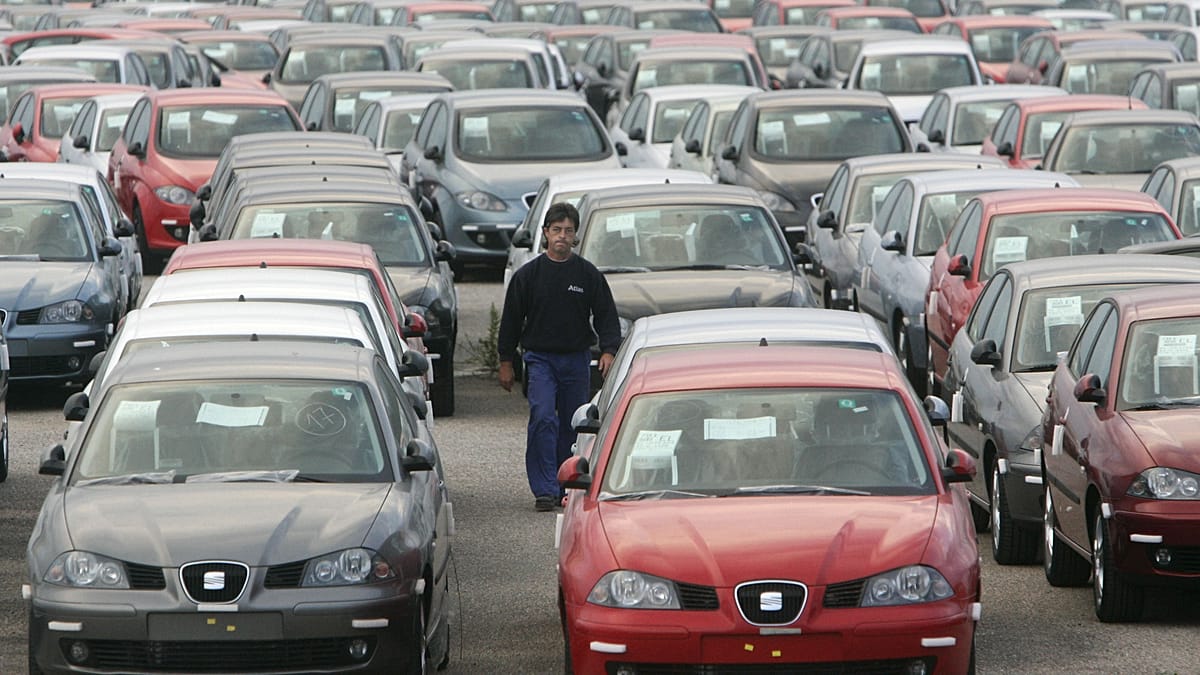
The future of Seat, one of Spain's most iconic automotive brands, is again under the spotlight as parent company Volkswagen reviews its long-term strategy. The Spanish government has moved quickly to defend the brand, with Economy Minister Carlos Cuerpo pledging to make “every effort necessary” to ensure its survival.
Speaking this week, Cuerpo described Seat as “traditionally Spanish” and stressed the government's commitment to the brand, which has been part of the country's industrial fabric for decades. The statement came after Volkswagen acknowledged that Seat's existence beyond 2030 is not guaranteed, as the group weighs the financial and regulatory challenges of electrification.
Brand's future under review
SEAT S.A., the company that operates both Seat and its performance sub-brand Cupra, has clarified that it will proceed with already scheduled launches, including mild-hybrid versions of the Ibiza and Arona models planned for 2027. However, the company admits that the current product cycle may be the last for the Seat brand as it is known today.
In a statement, SEAT S.A. said that “several scenarios remain possible beyond 2030” and that “no decision has yet been taken.” The company cited the rising cost of developing new electric vehicles, stricter emissions regulations, and shifting consumer demand as factors making it “increasingly complex” to continue investing in the brand.
The uncertainty has reignited debate about the transformation of Spain's automotive sector, which is heavily reliant on foreign investment and increasingly exposed to the global shift toward electric mobility.
Government and company draw a distinction
Both the government and Volkswagen are keen to separate the fate of the Seat brand from that of SEAT S.A. as a whole. The company, whose main plant is in Martorell near Barcelona, is described by Volkswagen as having a “solid future” within the group. Cupra, which has become a key growth driver, will remain the company's main focus for profitability and expansion.
Volkswagen has also reaffirmed its commitment to electrification in Spain. In 2022, the group and SEAT S.A., together with partners in the Future: Fast Forward project, announced a €10 billion investment to transform the Martorell plant for production of urban electric vehicles. That plan remains in place, according to the company.
Prime Minister Pedro Sánchez, during a visit to Martorell in June, called Seat an “iconic brand in Spain” and a “fundamental” part of the country's industrial ecosystem and identity. His comments echoed the government's determination to keep the brand alive, even as the parent company keeps its options open.
The debate over Seat's future comes at a time when the broader European auto industry is facing unprecedented pressure. Volkswagen itself has announced plans to cut tens of thousands of jobs in a major restructuring, as it grapples with the transition to electric vehicles and intensifying competition from Chinese manufacturers.
For now, the Spanish government appears confident that Seat will survive, but the final decision rests with Volkswagen's board. The coming years will be critical in determining whether the brand that has been a symbol of Spanish industry for over seven decades can adapt to the new era of mobility.