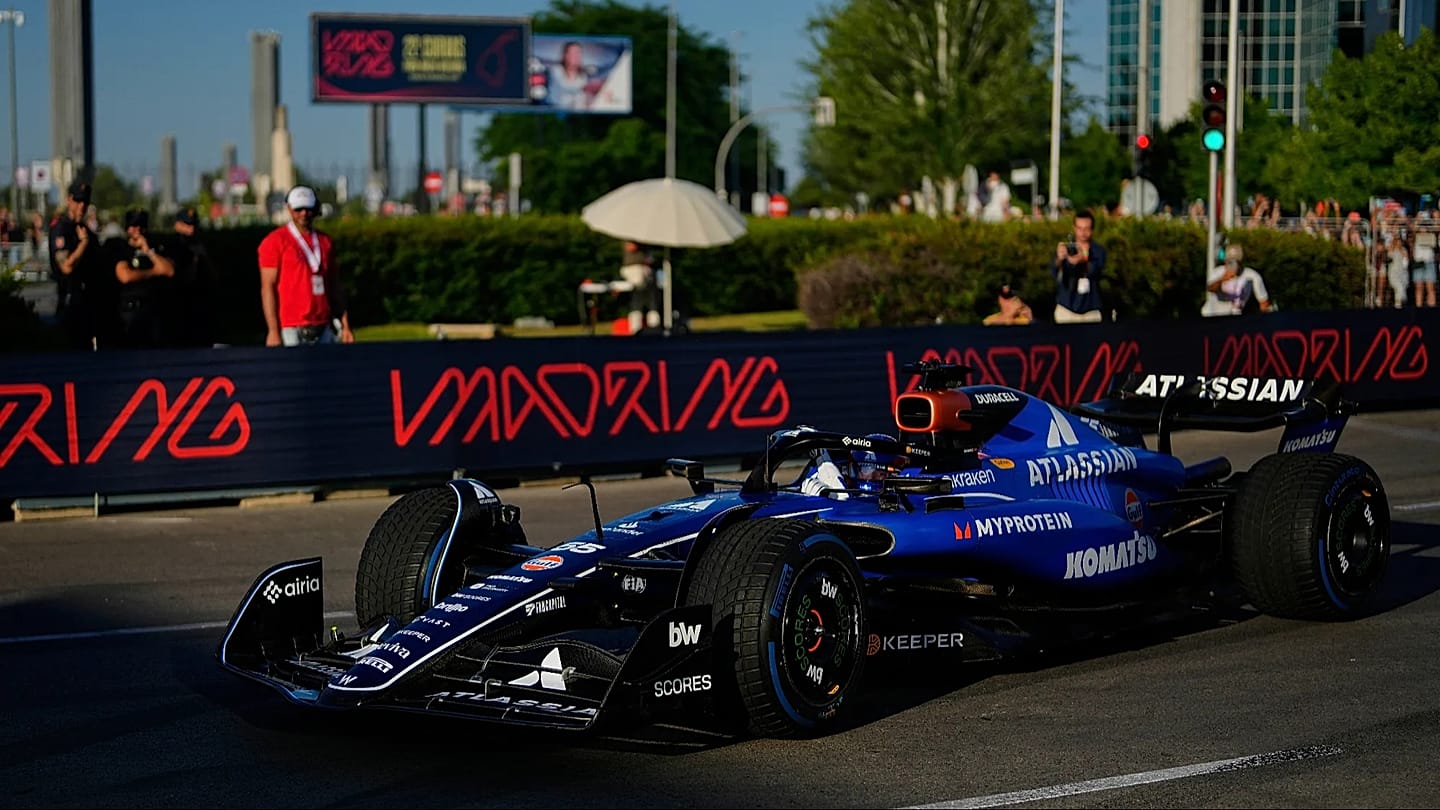
Madrid is gearing up for its first Formula 1 Grand Prix in over four decades, and the city's holiday rental market is already feeling the pressure. With the race set to take place at the new Circuito de Madrid in Valdebebas, property owners are cashing in on the influx of visitors, listing apartments for as much as €20,000 for the race week.
The Spanish Grand Prix, which returns to the capital in 2026 after a 45-year absence, has triggered a sharp spike in short-term rental prices. According to local real estate platforms, some flats in the Valdebebas neighbourhood, which is adjacent to the circuit, have seen their nightly rates multiply by ten or more compared to the usual seasonal average. In some cases, the increase has reached 1,000%, turning a modest two-bedroom apartment into a five-figure booking.
A bonanza for landlords, a headache for locals
For property owners, the race represents a windfall. "We've had inquiries from as far away as Australia and the United States," said Marta Sánchez, a real estate agent in Valdebebas. "People want to be close to the action, and they're willing to pay whatever it takes." The circuit, designed by the renowned architect Hermann Tilke, is expected to attract over 300,000 spectators over the race weekend, making it one of the most anticipated events on the Formula 1 calendar.
However, the surge in prices has raised concerns among residents and housing advocates. Madrid has been grappling with a housing affordability crisis, and the Grand Prix threatens to exacerbate the problem, at least temporarily. "This is a clear example of how mega-events can distort local housing markets," said Javier García, a spokesperson for the tenants' union Sindicato de Inquilinos de Madrid. "While landlords profit, many families are being priced out of their own neighbourhoods."
The phenomenon is not unique to Madrid. Cities like Barcelona, Valencia, and even the Canary Islands have seen similar spikes during major sporting events or festivals. But the scale of the increase in Madrid is striking, even by those standards.
Regulatory response and market dynamics
Local authorities are monitoring the situation closely. The Madrid city council has said it will enforce existing regulations on short-term rentals, which require hosts to register with the regional government. However, enforcement has been patchy, and many listings on platforms like Airbnb and Booking.com may not be fully compliant.
Some experts argue that the price surge is a temporary blip, driven by supply and demand. "The market is responding to an extraordinary event," said economist Laura Fernández of the Universidad Autónoma de Madrid. "Once the race is over, prices are likely to return to normal. But the long-term impact on the housing market depends on how many of these properties are converted into permanent tourist rentals."
The race is part of a broader trend of Europe's answer to overtourism, where cities are using events to attract visitors but struggling to manage the side effects. Madrid's bid to host the Grand Prix was partly motivated by a desire to boost tourism and international visibility, but the rental spike highlights the delicate balance between economic gain and social cost.
For now, the city is bracing for a weekend of high-octane action and high prices. As one local resident put it, "We love the race, but we can't afford to live here anymore."